
Homemade Red Beans Buns
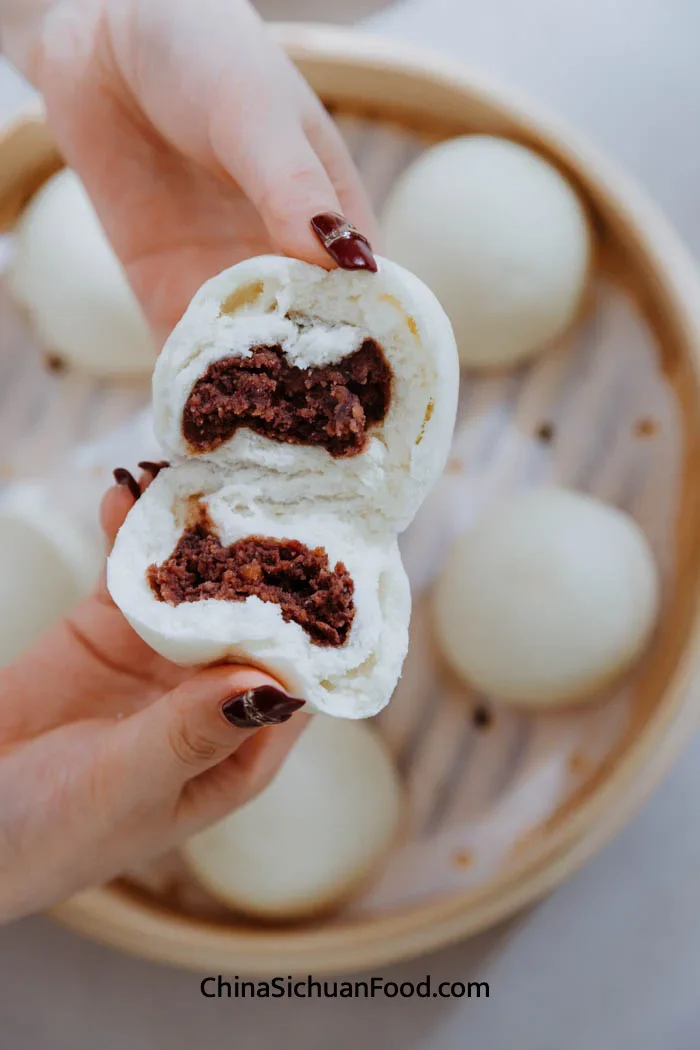
These Chinese red bean buns have a soft, lightly sweet dough wrapped around smooth, sweet red bean paste. They make a comforting snack or breakfast, especially with milk or soy milk.
Ingredients
- ½ cup (about 90 g), pre-soakedred beans
- ¼ cup (about 50 g)sugar
- 400 mlwater
- 1 tbsp (about 15 ml), optionalbutter or vegetable oil
- 300 gplain flour
- 2 tbsp (about 25 g)sugar
- 1½ tsp (about 5 g)instant yeast
- 150 ml, cold or chilled; alternatively, 180 mlcold water or milk
- 1 tbsp (about 15 ml), optional; corn oil can be usedvegetable oil
Instructions
- 1
Cook the beans
Add the soaked red beans, 400 ml water and ¼ cup sugar to an Instant Pot and cook using its bean setting.
- 2
Thicken the paste
Transfer the cooked beans to a non-stick pan. Add the butter, if using, or vegetable oil, and stir-fry until the mixture comes together into a paste.
- 3
Mix the yeast
When the paste is ready for filling, stir the yeast and 2 tbsp sugar into the cold or chilled water, or the milk alternative.
- 4
Knead the dough
Put the flour and yeast mixture in a stand mixer and mix on low for about 1 minute. Add the vegetable oil, if using, and knead for at least 10 minutes, until the dough is very smooth and elastic.
- 5
Divide the dough
Take the dough out of the mixer, lightly dust the work surface with flour and divide the dough into 8 portions.
- 6
Shape each wrapper
Work with one portion at a time. Knead it for a couple of minutes to smooth the surface, then shape it into a ball. Alternatively, roll the dough out, roll it up, turn it and roll it out again to help create a smooth surface.
- 7
Roll the wrappers
Press a dough ball flat and roll it into a slightly larger wrapper. Turn it over so the smooth side will be on the outside, then roll it like a dumpling wrapper, leaving the centre thicker than the edges.
- 8
Fill the buns
Put red bean paste in the centre. Gather the dough gradually between your thumb and forefinger, then tear off the excess dough to seal the filling inside.
- 9
Shape the domes
Turn each bun over and shape it into a dome, making it slightly higher because it will flatten a little. Roll it gently between both hands on the work surface if needed, then repeat with the remaining portions.
- 10
Arrange in steamer
Line a steamer and arrange the buns with space between them. The recipe makes 8 buns; the same dough can be divided into 10 portions for smaller buns.
- 11
Proof the buns
Cover the steamer and let the buns proof once, until they are about 1.5 times their original size. The time depends on the room conditions; avoid waiting for them to double, as bubbles may appear beneath the smooth surface.
- 12
Steam the buns
Add cold water to a wok or steamer and steam the proofed buns for about 13 minutes, using medium-low heat once the water boils. Remove from the heat and leave them covered for 5 minutes before serving.
What are red bean buns?
Red bean buns are a Chinese filled bun made with a soft dough and sweet red bean paste. Sweetened beans are cooked until tender, then worked into a filling that can be enclosed in the dough.
This version uses a single proof and steams the buns, giving them a soft finish without baking. The method also shapes the wrappers with a thicker centre so the filling is less likely to break through.
Nutrition and macros by portion
The nutrition label shows one serving as written: 324 calories, 7g protein, 66g carbs, 3g fat.
| Portion | Adjustment | kcal | Protein | Carbs | Fat |
|---|---|---|---|---|---|
| Lighter | Use less filling | 227 kcal | 5g | 46g | 2g |
| This serving | As written | 324 kcal | 7g | 66g | 3g |
| Hungry | Choose a larger bun | 486 kcal | 11g | 99g | 5g |
The red beans, flour and added sugars provide most of the carbohydrates, while the beans contribute some protein. The small amount of optional butter or oil adds fat; serve a bun with fruit or yoghurt for a more balanced plate.
Making a smooth bean filling
Cooked beans: The beans are first cooked with water and sugar until tender. The recipe specifies an Instant Pot bean setting but not a cooking time, so follow the setting for your appliance.
Pan-frying: Stir the cooked beans with optional butter or oil until the mixture holds together. A filling that clumps rather than runs is easier to portion and seal inside the wrappers.
Getting the dough elastic
Cold liquid: Mix the instant yeast and sugar into cold or chilled water, or use the stated milk alternative. The recipe calls for 150 ml water or 180 ml milk, so measure the liquid you choose carefully.
Kneading: Mix the flour and yeast liquid briefly on low, then knead with the optional oil for at least 10 minutes. The dough should feel smooth and elastic before you divide it.
Sealing and shaping
Thicker centre: Roll the wrapper so its middle is thicker than its edges. This gives the filling support while the thinner edges gather together at the top.
Smooth finish: Keep the smooth side facing out when you fill and seal the bun. Shape it into a slightly raised dome, allowing for a little flattening before and during steaming.
Proofing and steaming cues
Proofing: Let the covered buns rise until they are about one and a half times their starting size. The recipe advises against waiting for them to double, since bubbles can form under the surface.
Steaming: Steam for about 13 minutes over medium-low heat after the water boils, then leave the buns covered off the heat for 5 minutes. Keep space between them in the steamer so they have room to expand.
Choosing the bun size
Eight buns: The method divides the dough into 8 portions and uses that number for this batch. Make the portions as evenly sized as you can for more consistent cooking.
Ten smaller buns: The recipe also suggests dividing the dough into 10 portions for smaller buns. They may need checking before the full steaming time, since their size differs from the larger version.
Serving ideas
These buns are described as a good match for milk or soy milk. Serve them as a snack or as part of a simple breakfast.
For a more substantial plate, pair a bun with plain yoghurt or fresh fruit. The mild accompaniments let the sweet bean filling remain the main flavour.
Recipe notes & tips
- Drain the soaked beans before adding them to the Instant Pot if they are sitting in soaking water.
- Let the filling thicken until it clumps together, so it is easier to wrap.
- Use only a light dusting of flour on the work surface to avoid drying out the dough.
- Keep the wrapper centre thicker than its edges to help hold the filling.
- Leave clear gaps between the buns in the lined steamer.
- Judge proofing by the change in size rather than relying on a fixed time.
Variations
- Use milk: Replace the 150 ml cold water with 180 ml milk as suggested in the recipe.
- Choose another oil: Use corn oil in place of the vegetable oil.
- Skip the added fat: Leave out the optional butter or oil in the bean paste.
- Make smaller buns: Divide the dough into 10 portions instead of 8.
- Serve with soy milk: Pair the buns with soy milk for the serving suggestion in the recipe.
Common mistakes to avoid
- Runny filling: Keep stirring the beans in the pan until the paste holds together.
- Dry dough: Measure the chosen liquid carefully and knead until the dough is smooth and elastic.
- Thin wrapper centre: Roll the middle thicker than the edges so it can support the filling.
- Loose seal: Gather the dough gradually between your thumb and forefinger and remove excess dough as directed.
- Over-proofing: Steam when the buns are about 1.5 times their original size, rather than waiting for them to double.
- Crowded steamer: Leave space between the buns so they can expand during proofing and steaming.
How to store
Let leftover buns cool, then store them in an airtight container in the fridge for up to 3 days. Reheat by steaming until hot throughout; avoid leaving them uncovered, as the dough can dry out.
Frequently asked questions
How many buns does this recipe make?
The method divides the dough into 8 portions. It also suggests making 10 smaller buns from the same ingredients.
Can I use milk instead of water in the dough?
Yes. The recipe gives 180 ml milk as an alternative to 150 ml cold or chilled water.
How do I know when the buns have proofed enough?
They should be about 1.5 times their original size. The recipe advises not to wait until they have doubled.
Why is the centre of the wrapper thicker?
A thicker centre supports the filling while the thinner edges are gathered and sealed around it.
Can I make the red bean paste ahead?
Yes. Make it before preparing the dough and use it once it is ready for wrapping. The recipe does not specify a separate storage time for the paste.
Why do the buns rest after steaming?
The method leaves them covered off the heat for 5 minutes after steaming. Follow this rest before removing the lid and serving.
Cook it from the original
This recipe comes from chinasichuanfood.com. Their page has the author’s own photos, notes and tips — the best place to cook it from.
Open the recipe on chinasichuanfood.com