
Beef Tenderloin Recipe
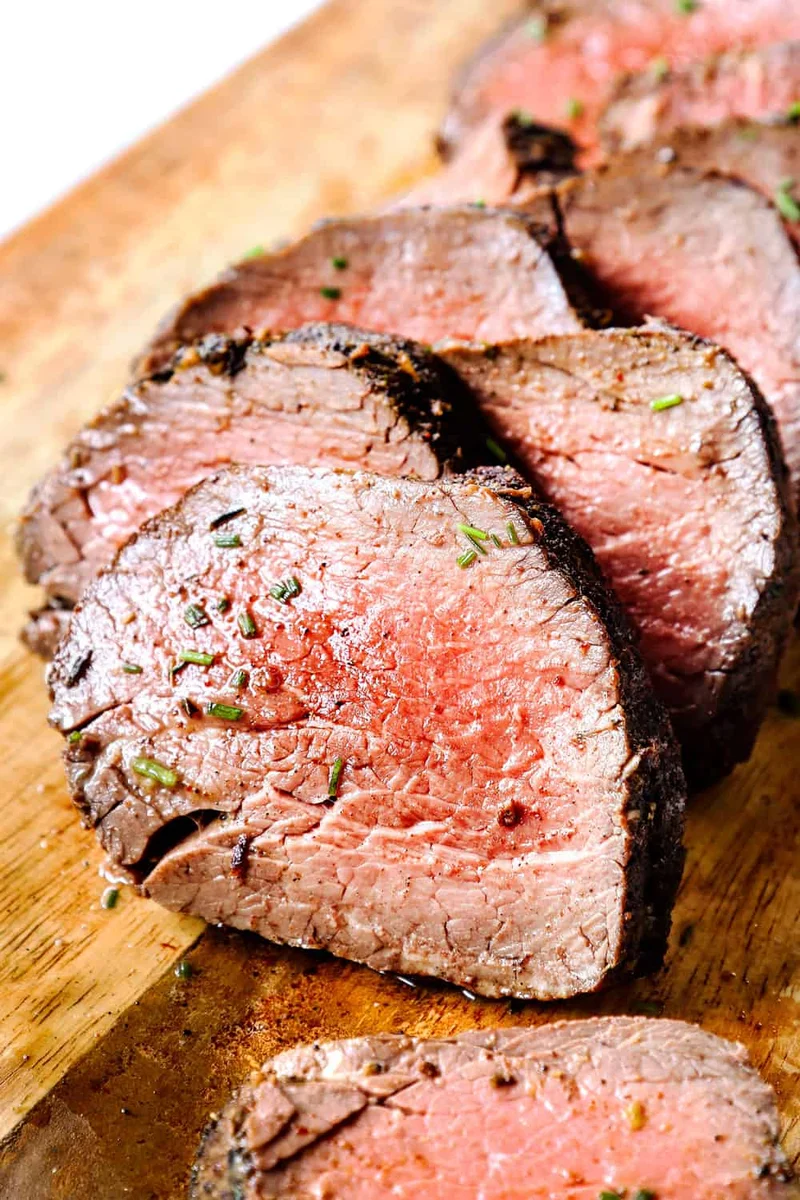
Beef tenderloin is tied into an even shape, coated with a savoury spice rub, seared and finished in the oven with garlic-herb butter. It makes an impressive centrepiece for a special meal, with horseradish cream sauce served alongside.
Ingredients
- 1.8–2.3 kg (4–5 lb)beef tenderloin, trimmed of silverskin and excess fat
- 30 ml (2 tablespoons)vegetable oil
- As neededkitchen twine
- 15–20 ml (3–4 teaspoons; use 3/4 teaspoon per pound)kosher salt
- 15 ml (1 tablespoon)chilli powder
- 5 ml (1 teaspoon) eachpepper, paprika, garlic powder and onion powder
- 85 g (6 tablespoons)unsalted butter
- 2 clovesgarlic, minced
- 5 ml (1 teaspoon)prepared horseradish
- 5 ml (1 teaspoon) eachdried parsley, dried oregano and dried thyme
Instructions
- 1
Shape the tenderloin
Cut the tenderloin in half so the two pieces will be roughly equal in length once the thinner tapered end is folded up against its roast.
- 2
Tie the roasts
Fold the thin end against each roast to make a uniform cylinder. Tie snug loops of kitchen twine about 4 cm (1½ inches) apart along each piece, then wrap twine lengthwise around it, tie off and trim the excess. Alternatively, ask a butcher to tie the tenderloin.
- 3
Apply the spice rub
Whisk the salt, chilli powder, pepper, paprika, garlic powder and onion powder together in a small bowl. Pat the roasts dry with paper towels and rub the mixture evenly over them, using all of it.
- 4
Rest the beef
Leave the roasts at room temperature for 2 hours, or refrigerate them uncovered for up to 48 hours. If refrigerated, bring them to room temperature for 2 hours before cooking.
- 5
Mix the sauce
While the beef rests, combine the horseradish cream sauce ingredients in a medium bowl. Cover and refrigerate until needed, then taste and adjust to your preference.
- 6
Prepare the butter
When ready to cook, preheat the oven to 230°C (450°F). Mix the butter, minced garlic, prepared horseradish, parsley, oregano and thyme in a bowl until evenly combined.
- 7
Sear the roasts
Heat 30 ml (2 tablespoons) vegetable oil in a large cast-iron skillet over medium-high heat until very hot and just smoking. Sear the tenderloin on each side until deeply browned, working in batches if needed. Transfer the roasts to a plate and wipe away any blackened drippings. Drizzle the skillet with oil, return the roasts to it and spread all the butter mixture over their tops and sides.
- 8
Roast to temperature
Transfer the skillet to the oven, or use a lightly greased baking or roasting dish. Roast at 230°C (450°F) until the beef reaches the desired temperature: 49–52°C (120–125°F) for the recommended medium-rare, about 20–25 minutes; 46–49°C (115–120°F) for rare; or 54–57°C (130–135°F) for medium. The temperature should rise by 3–4°C (5–7°F) as the beef rests, so remove it 3–4°C (5–7°F) below your target. The two roasts may finish at different times.
- 9
Rest and slice
Remove the skillet from the oven and baste the roasts several times with the buttery juices. Transfer them to a cutting board, tent loosely with foil and rest for 15 minutes. Slice into pieces about 1 cm (½ inch) thick and serve with horseradish cream sauce.
What is beef tenderloin?
Beef tenderloin is a particularly tender cut from the loin, often served as a celebratory roast. This version pairs a bold spice coating and browned exterior with garlic-herb butter, then serves the meat with a sharp horseradish cream sauce.
Tying the tapered end against the roast helps create a more even cylinder, so the pieces cook more consistently.
Nutrition and macros by portion
The nutrition label shows one serving as written: 440 calories, 50g protein, 3g carbs, 24g fat.
| Portion | Adjustment | kcal | Protein | Carbs | Fat |
|---|---|---|---|---|---|
| Lighter | Less butter, leaner sides | 308 kcal | 35g | 2g | 17g |
| This serving | As written | 440 kcal | 50g | 3g | 24g |
| Hungry | Larger portion of beef | 660 kcal | 75g | 5g | 36g |
The beef supplies most of the protein, while the butter and vegetable oil contribute much of the fat. The tenderloin contains little carbohydrate; the small amount here comes mainly from the seasonings, and the nutrition estimate excludes the unspecified cream sauce ingredients. Balance the plate with vegetables and a modest serving of potatoes.
The spice rub
Even coverage: The salt, chilli powder, pepper, paprika, garlic powder and onion powder season the surface of the meat. Patting the beef dry first helps the rub cling and supports a good sear.
Tie for an even roast
Shape first: Fold the narrow tail against the thicker part before tying. Loops spaced about 4 cm (1½ inches) apart hold the shape together and keep the folded end in place.
Sear before roasting
Hot pan: Wait until the oil is very hot and just smoking before adding the beef. Give each side time to brown deeply, using batches if the skillet is crowded.
Clean skillet: Wiping away blackened drippings before adding the roasts back helps prevent burnt bits from carrying into the buttery juices.
Use temperature, not guesswork
Check the centre: Use a meat thermometer to judge doneness, as the roasting time can vary with the size and shape of the pieces. The method gives an approximate 20–25 minutes for medium-rare, but the temperature is the key cue.
Allow for carry-over: Take the meat out below your final target because its temperature rises by about 3–4°C (5–7°F) while resting. Check both roasts, as they may finish at different times.
Rest before slicing
Keep the foil loose: Rest the roasts for 15 minutes so they are easier to slice and the juices settle. A close wrap can trap too much heat and soften the browned surface.
Serving ideas
Sauce on the side: Horseradish cream adds a cool, sharp contrast to the rich butter and beef. Serve it alongside so everyone can add as much as they like.
Round out the plate: Pair slices with vegetables and a potato side for a fuller meal. Spoon a little of the skillet’s buttery juices over the beef just before serving.
Recipe notes & tips
- Ask the butcher to remove the silverskin and tie the tenderloin if you would rather not prepare it yourself.
- Dry the surface thoroughly before adding the spice rub and searing.
- Use the same thermometer target for both roasts, but check them separately.
- Set out the horseradish cream sauce while the beef rests so it is ready to serve.
- Slice across the roast into pieces about 1 cm (½ inch) thick.
Variations
- Adjust the heat: Use less chilli powder for a milder spice rub.
- Add fresh herbs: Replace the dried herbs with chopped fresh herbs in the butter mixture.
- Make it pepper-forward: Increase the pepper in the rub to give the crust a stronger bite.
- Serve with mustard: Offer a little mustard alongside the horseradish cream sauce.
- Change the sides: Pair the slices with roasted vegetables or a crisp green salad.
Common mistakes to avoid
- Skipping the twine: An untied tapered end can cook unevenly; fold it against the roast and secure it.
- Searing in a crowded pan: The meat may steam instead of brown; sear in batches if needed.
- Using the oven time alone: Roasts vary in shape and thickness; check the centre with a thermometer.
- Roasting to the final target: The temperature rises during resting; remove the beef 3–4°C (5–7°F) early.
- Slicing straight away: Cutting before the 15-minute rest can release juices; let the roasts rest first.
How to store
Refrigerate leftover beef in an airtight container for up to 3 days. Reheat gently in a covered dish with a little of the pan juices, or serve cold in slices; store the sauce separately and follow its ingredients' storage guidance.
Frequently asked questions
Can I prepare the tenderloin ahead?
Yes. After applying the rub, refrigerate the tied roasts uncovered for up to 48 hours. Bring them to room temperature for 2 hours before cooking.
Do I have to tie the tenderloin?
Tying helps hold the folded tail in place and makes the roast a more even shape. A butcher can tie it for you if preferred.
How do I know when it is done?
Check the centre with a meat thermometer. The method gives 49–52°C (120–125°F) for medium-rare before resting, with a further 3–4°C (5–7°F) rise as it rests.
Why might one roast finish before the other?
The two pieces can differ in thickness and shape, even when cut to similar lengths. Check each separately and remove the one that reaches its target first.
Can I use a baking dish instead of a skillet?
Yes. Sear the beef in a skillet, then transfer it to a lightly greased baking dish or roasting pan for the oven.
What should I serve with beef tenderloin?
Serve it with the horseradish cream sauce and add vegetables and potatoes or another side to make a complete meal.
Cook it from the original
This recipe comes from carlsbadcravings.com. Their page has the author’s own photos, notes and tips — the best place to cook it from.
Open the recipe on carlsbadcravings.com