
Keto Cheesecake
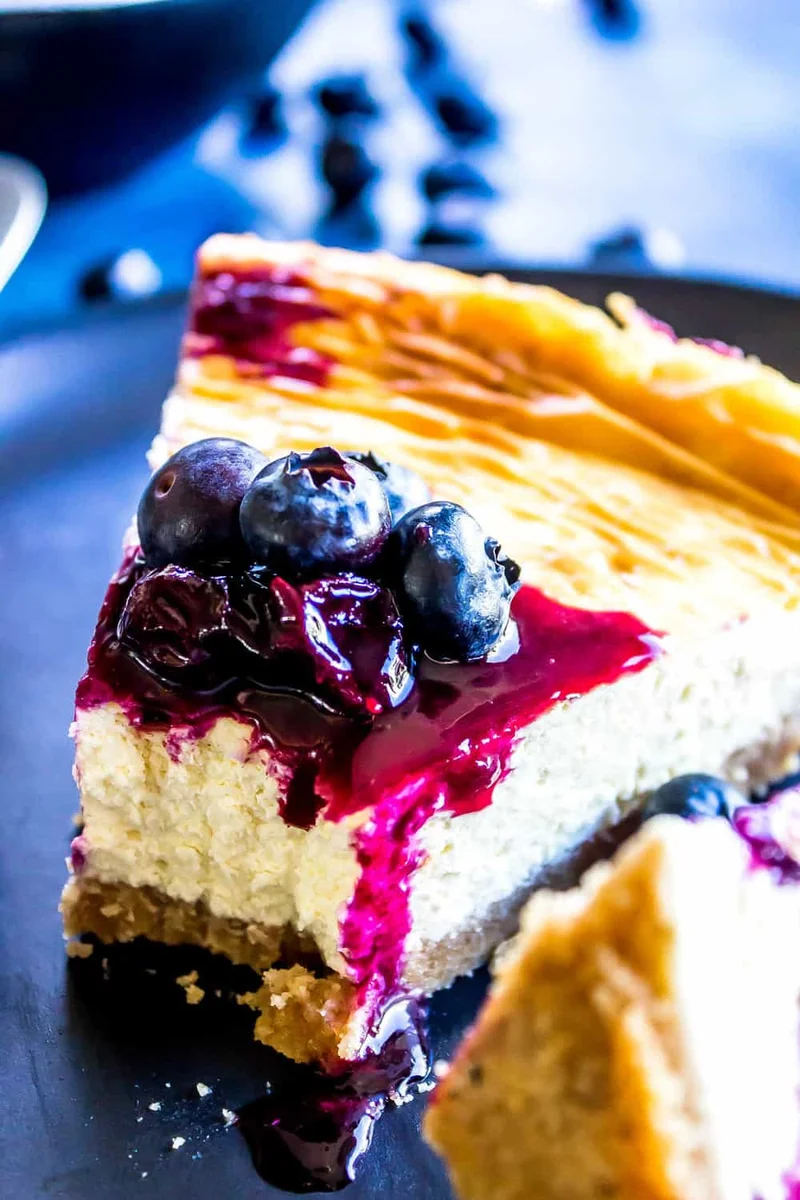
This American-style keto cheesecake has a buttery almond-flour crust and a creamy, lightly sweetened filling, all baked in a cast-iron skillet. It is a handy dessert to portion for a gathering, with toppings left to your taste.
Ingredients
- 190 g (2 cups)almond flour
- 50 g (1/4 cup)brown Swerve
- 1 teaspooncinnamon
- 1/4 teaspoonsalt
- 113 g (1 stick)butter
- 4 blocks (original quantity; block size not specified)cream cheese, at room temperature
- 200 g (1 cup)granulated Swerve
- 4 largeeggs, at room temperature
- 1 tablespoonvanilla extract
Instructions
- 1
Prepare the skillet
Heat the oven to 175°C (350°F). Grease a well-seasoned 10.5-inch cast-iron skillet, or line it with parchment paper.
- 2
Make the crust
Mix the crust ingredients in a bowl. Press the mixture into the prepared skillet in an even layer.
- 3
Mix the filling
In a separate bowl, mix the filling ingredients until combined. Pour the mixture over the crust.
- 4
Bake the cheesecake
Bake in the preheated oven for 25 minutes. Cover the skillet with foil and bake for a further 15 minutes, or until a thermometer inserted into the cheesecake reads 75°C (170°F).
What is keto cheesecake?
Cheesecake is a rich American dessert built around a cream-cheese filling, often set over a crumbly base. This version uses almond flour instead of a conventional biscuit crust and a sugar substitute for sweetness.
Skillet baking keeps the recipe straightforward and gives the crust and filling a single pan to set in. The two-stage bake helps finish the centre without leaving the top uncovered for the full time.
Nutrition and macros by portion
The nutrition label shows one serving as written: 324 calories, 10g protein, 5g carbs, 34g fat.
| Portion | Adjustment | kcal | Protein | Carbs | Fat |
|---|---|---|---|---|---|
| Lighter | Smaller cheesecake slice | 227 kcal | 7g | 4g | 24g |
| This serving | As written | 324 kcal | 10g | 5g | 34g |
| Hungry | Larger cheesecake slice | 486 kcal | 14g | 8g | 50g |
The almond flour and sweeteners contribute most of the carbohydrates, while cream cheese and butter supply much of the fat; cream cheese and eggs provide the protein. Serve a slice with fresh berries or another simple fruit portion to add contrast to the rich cheesecake.
Build an even almond crust
Dry ingredients: combine the almond flour, brown Swerve, cinnamon and salt so the seasoning is distributed through the base.
Butter: mix it with the crust ingredients, then press the mixture into a level layer in the skillet. An even base gives the filling consistent support.
Keep the filling smooth
Room-temperature ingredients: softened cream cheese and eggs are easier to mix into a uniform filling. Cold cream cheese can remain lumpy, so allow the ingredients to lose their chill before mixing.
Mixing: combine the filling ingredients until smooth and well blended, without mixing longer than needed. Pour it gently over the crust to keep the layers distinct.
Use the two-stage bake
First bake: the uncovered 25 minutes begin setting the filling. Keep the skillet in the centre of the preheated oven for the stated time.
Covered finish: foil goes over the skillet for the additional 15 minutes. The recipe's doneness cue is a thermometer reading of 75°C (170°F) in the cheesecake.
Check the centre
Temperature: insert the thermometer into the cheesecake to check that the centre has reached 75°C (170°F). The method gives this reading as the cue for when to take it out.
Skillet handling: cast iron retains heat, so use suitable protection when taking the pan from the oven. Avoid cutting or serving directly from a skillet that is still very hot.
Choose toppings and sides
Toppings: berries, a little whipped cream or chopped nuts can be added to individual portions. Keep them separate until serving so each person can customise their slice.
Serving: small portions pair well with fresh berries or unsweetened tea or coffee. Cut the cheesecake once it is cool enough to handle cleanly.
Recipe notes & tips
- Bring the cream cheese and eggs to room temperature before mixing for a smoother filling.
- Press the crust into an even layer so it bakes consistently.
- Grease the well-seasoned skillet thoroughly if you are not using parchment.
- Cover the skillet with foil only after the first 25 minutes of baking.
- Check the centre with a thermometer rather than relying only on the surface colour.
- Add garnishes just before serving to keep them fresh.
Variations
- Berry topping: add fresh berries to each slice just before serving.
- Cinnamon finish: dust the top lightly with cinnamon for a more pronounced spice note.
- Nut garnish: scatter chopped toasted nuts over portions for crunch.
- Vanilla accent: serve with a little whipped cream flavoured with vanilla.
- Individual toppings: set out a few garnishes so guests can customise their slices.
Common mistakes to avoid
- Cold cream cheese: it can leave lumps in the filling; let it come to room temperature first.
- Uneven crust: thin and thick patches bake differently; press the base into a level layer.
- Skipping the foil: the recipe calls for covering the skillet after 25 minutes; add the foil for the final 15 minutes.
- Guessing doneness: surface appearance may not tell you the centre temperature; use a thermometer and look for 75°C (170°F).
- Handling a hot skillet bare-handed: cast iron retains heat; use oven gloves when moving it.
How to store
Once cool, cover the skillet or transfer slices to an airtight container and refrigerate for up to 4 days. Reheat a portion gently, or serve it chilled.
Frequently asked questions
Can I use a different pan?
The method is written for a well-seasoned 10.5-inch cast-iron skillet or a skillet lined with parchment. A different pan may change the depth and baking time, so check the centre temperature rather than assuming the same timing.
How do I know when the cheesecake is done?
Insert a thermometer into the cheesecake and bake until it reads 75°C (170°F), following the recipe's stated cue.
Why should the ingredients be at room temperature?
Room-temperature cream cheese and eggs combine more readily, helping the filling become smooth and well blended.
Can I make the cheesecake without parchment?
Yes. The method allows you to grease a well-seasoned 10.5-inch cast-iron skillet instead.
What can I put on top?
Add your preferred garnish when serving; fresh berries, whipped cream or chopped nuts are suitable options.
Can I prepare it ahead?
Yes. Bake it ahead and refrigerate it once cool, then add any toppings shortly before serving.
Cook it from the original
This recipe comes from castironketo.net. Their page has the author’s own photos, notes and tips — the best place to cook it from.
Open the recipe on castironketo.net