
Cajun Pork Tenderloin (Pork with Pineapple)
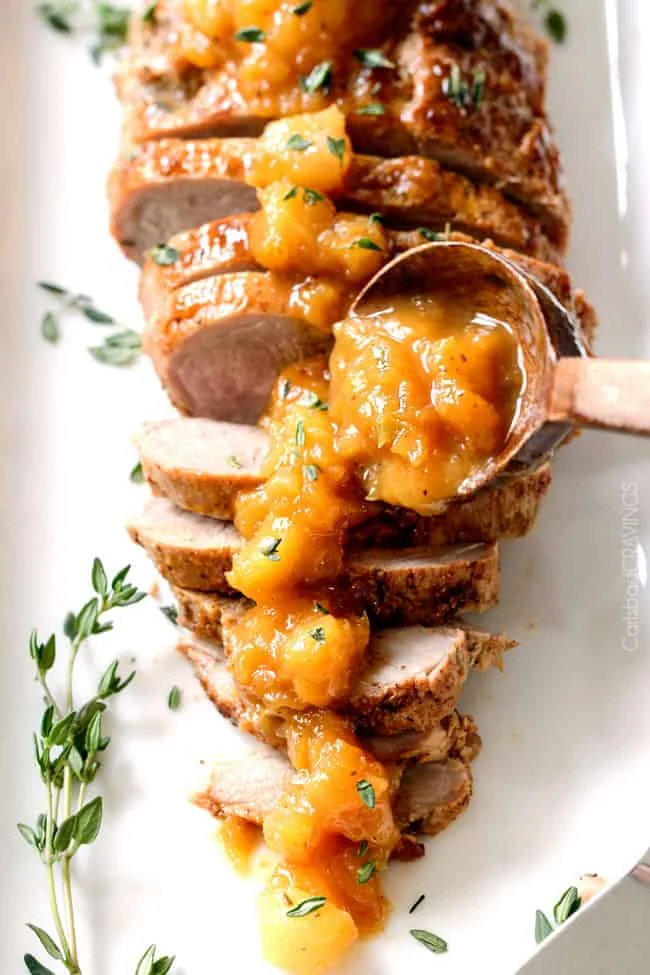
Cajun-rubbed pork tenderloin is seared, roasted and served with a tangy pineapple glaze. It makes a colourful centrepiece for a special meal, with most of the cooking time hands-off.
Ingredients
- 45 ml (3 tablespoons), dividedvegetable oil
- 1 pack, 900–1,135 g (2–2½ lb total; 2 pieces)pork tenderloins, trimmed
- 60 g (¼ cup)kosher salt
- 710 ml (3 cups)warm water
- 30 ml (2 tablespoons)cider vinegar
- 2 tablespoonsbrown sugar
- 1 cupice cubes
- 1 teaspoon eachsalt, garlic powder, chilli powder, ground cumin and brown sugar
- ½ teaspoon eachblack pepper, onion powder, dried thyme and smoked paprika
- 80 ml (⅓ cup)pure maple syrup, not imitation breakfast syrup
- 30 ml (2 tablespoons)Dijon mustard
- 15 ml (1 tablespoon)French or yellow mustard
- 15 ml (1 tablespoon)reduced-sodium soy sauce
- 15–30 ml (1–2 tablespoons), use 30 ml for a tangier glazecider vinegar
- 15 ml (1 tablespoon)lemon juice
- 5 ml (1 teaspoon), reserved from the Cajun rub spicesCajun rub spice mixture
- 1 can, 227 g (8 oz)crushed pineapple in juice
Instructions
- 1
Brine the pork
In a gallon-sized freezer bag, dissolve the kosher salt in the warm water. Add the cider vinegar, brown sugar, ice cubes and pork. Brine for exactly 20 minutes, then remove the pork, rinse it and pat it dry. Do not leave it in the brine longer, as the texture can become mealy.
- 2
Make the rub
Whisk together the Cajun rub spices in a small bowl and set aside 1 teaspoon for the glaze. Mix the remaining spices with 30 ml (2 tablespoons) olive oil, then coat the pork all over. Set aside.
- 3
Mix the glaze
Whisk together the maple syrup, Dijon mustard, French or yellow mustard, soy sauce, cider vinegar, lemon juice and reserved teaspoon of Cajun spices, leaving out the crushed pineapple. Set aside 60 ml (¼ cup) for basting. Put the rest in a small saucepan with the crushed pineapple.
- 4
Preheat the oven
Heat the oven to 220°C (425°F).
- 5
Sear and baste
Heat 15 ml (1 tablespoon) vegetable oil in a cast-iron skillet over medium-high heat. When it is very hot, sear the pork for about 1–2 minutes per side, until browned. Transfer it to a rack in a shallow roasting pan, or to a lightly greased rack set over a baking sheet. Brush with half of the reserved basting glaze.
- 6
Roast the pork
Roast at 220°C (425°F) for about 25–30 minutes, brushing with the remaining basting glaze after 15 minutes. Check the thickest part with an internal thermometer: it should read 63–65°C (145–150°F). Rest the cooked pork for 10 minutes before slicing.
- 7
Warm the glaze
Meanwhile, warm the pineapple glaze in the small saucepan, heating it just until warmed through.
- 8
Slice and serve
Slice the pork tenderloin thinly and spoon the tangy pineapple glaze over the top.
What is Cajun pork tenderloin?
Cajun cooking is associated with Louisiana and its blend of seasonings, often featuring chilli, garlic, herbs and spices. This American-style version pairs a warmly spiced pork roast with a sweet-sour pineapple glaze.
The method builds flavour in stages: a short brine seasons the meat, a Cajun rub coats it, and a quick sear adds colour before roasting.
Nutrition and macros by portion
The nutrition label shows one serving as written: 390 calories, 42g protein, 27g carbs, 12g fat.
| Portion | Adjustment | kcal | Protein | Carbs | Fat |
|---|---|---|---|---|---|
| Lighter | Less glaze, more greens | 273 kcal | 29g | 19g | 8g |
| This serving | As written | 390 kcal | 42g | 27g | 12g |
| Hungry | Larger pork portion | 585 kcal | 63g | 41g | 18g |
Pork supplies most of the protein, while the maple syrup, brown sugar and pineapple contribute much of the carbohydrate. The oil and pork contribute fat; serve a moderate portion with plenty of vegetables and a starchy side to round out the plate.
Why the brine is brief
Salt brine: the warm water helps dissolve the salt and sugar before the pork goes in. The ice cools the mixture, while vinegar adds a little acidity.
Timing: the recipe calls for exactly 20 minutes in the brine. Remove, rinse and dry the pork promptly; the instructions warn that longer brining can make its texture mealy.
Building the Cajun flavour
Spice mix: chilli, cumin, garlic, onion, thyme and smoked paprika give the pork its savoury, gently smoky character. Reserve a teaspoon before adding the oil so it can season the glaze too.
Oil: the rub is mixed with oil to help it coat the tenderloins evenly. The recipe specifies olive oil for this mixture and vegetable oil for searing.
Getting a browned exterior
Hot pan: let the vegetable oil get very hot before adding the pork. Sear each side for about 1–2 minutes, turning until the surface is browned.
Basting: brush on half the reserved glaze before roasting, then use the rest after 15 minutes. Keep the pineapple glaze separate from the basting portion until it is warmed for serving.
Checking the pork is done
Temperature: insert an internal thermometer into the thickest part of the tenderloin and look for 63–65°C (145–150°F), as specified in the recipe. The centre may remain slightly pink.
Resting: leave the pork to stand for 10 minutes before slicing. This gives you time to warm the pineapple glaze and helps keep the slices juicy.
Serving the tenderloin
Slice the pork thinly and spoon the warmed pineapple glaze over it so each serving gets both the spiced meat and sweet-tangy fruit. The glaze can also be served alongside for diners to add as they like.
Pair it with a simple green vegetable and a starchy side such as potatoes or rice to make a balanced plate.
Recipe notes & tips
- Use a thermometer in the thickest part rather than relying on colour alone.
- Pat the pork dry after rinsing so the rub coats it evenly.
- Keep the brining time to exactly 20 minutes as directed.
- Reserve the teaspoon of spice mix before mixing the rest with oil.
- Let the pork rest for 10 minutes before slicing.
- Warm the pineapple glaze gently, just until heated through.
Variations
- Extra tang: Use 30 ml cider vinegar in the glaze for the tangier option.
- Milder heat: Reduce the chilli powder in the Cajun rub to suit your preference.
- More citrus: Add extra lemon juice to the glaze for a brighter flavour.
- Chunkier fruit: Use crushed pineapple with a coarser texture for more bite in the glaze.
- Herb-forward rub: Increase the dried thyme slightly for a more pronounced herbal note.
Common mistakes to avoid
- Over-brining: The pork can turn mealy; remove it after exactly 20 minutes.
- Wet surface: The rub may not coat as well; rinse and pat the pork dry before seasoning.
- Cool pan: The pork may not brown properly; wait until the oil is very hot before searing.
- Skipping the thermometer: Doneness can be hard to judge by appearance; check the thickest section for 63–65°C.
- Cutting too soon: The juices can run out; rest the pork for 10 minutes before slicing.
- Boiling the glaze: It may reduce more than intended; warm it only until heated through.
How to store
Refrigerate leftover pork and glaze in separate airtight containers for up to 3 days. Reheat gently until hot, adding the glaze over the pork when serving.
Frequently asked questions
Can I use one large pork tenderloin?
The recipe calls for a pack containing two pieces, 900–1,135 g total. If using one piece instead, follow the thermometer reading rather than assuming the same roasting time.
Can I skip the brining?
The brine is part of this method and seasons the pork before roasting. If you omit it, the result may be less seasoned; do not add extra salt without adjusting the rub.
Why does the pork look slightly pink?
The recipe says the pork can be juicy and slightly pink when its internal temperature reaches 63–65°C (145–150°F). Check with a thermometer in the thickest part.
Can I make the glaze tangier?
Yes. Use 30 ml (2 tablespoons) of cider vinegar in the glaze rather than 15 ml (1 tablespoon).
Do I have to use a cast-iron skillet?
The method specifies cast iron for searing. It also allows the pork to be transferred to a roasting rack in a shallow pan or to a lightly greased rack on a baking sheet.
Can I prepare the glaze ahead?
You can whisk the glaze ingredients together ahead and keep the pineapple separate until assembling it in the saucepan. Warm the pineapple glaze just before serving.
Cook it from the original
This recipe comes from carlsbadcravings.com. Their page has the author’s own photos, notes and tips — the best place to cook it from.
Open the recipe on carlsbadcravings.com