
Roast Cauliflower Recipe
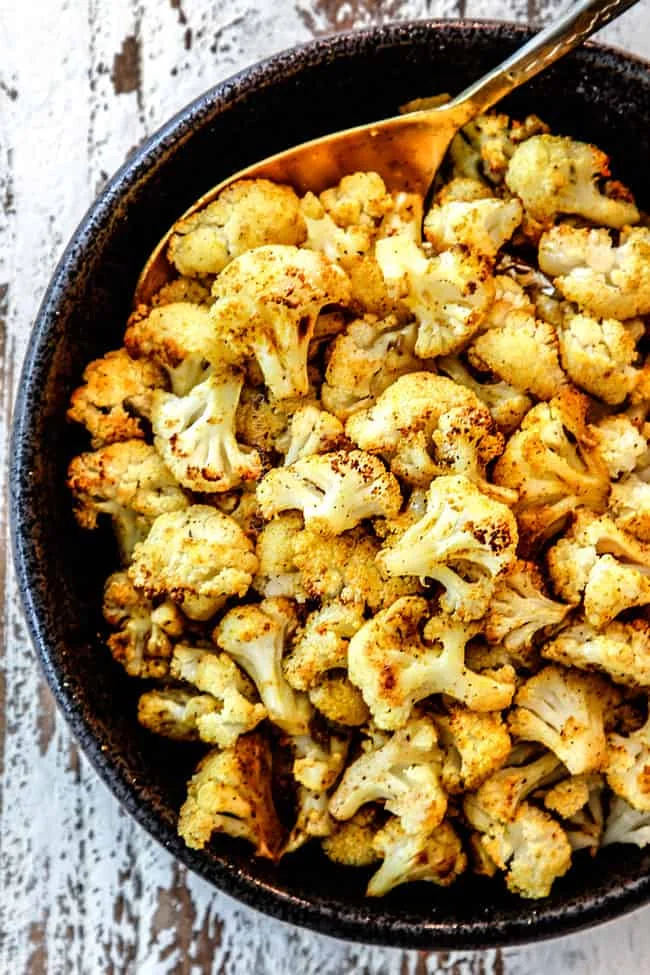
This American-style roast cauliflower is tossed with olive oil and simple seasonings, then baked until tender with golden, slightly charred edges. It makes an easy one-tray side, and the curry powder is optional if you want to keep the flavour simple.
Ingredients
- 1 large head (about 1.7–1.9 litres / 7–8 cups of florets)cauliflower, cut into bite-sized florets
- 45 ml (3 tablespoons)extra-virgin olive oil
- 5 ml (1 teaspoon)yellow curry powder (optional)
- 2.5 ml (½ teaspoon)salt
- 1.25 ml (¼ teaspoon)black pepper
- 1.25 ml (¼ teaspoon)garlic powder
Instructions
- 1
Heat the oven
Preheat the oven to 220°C (425°F). Line a baking tray with foil and lightly coat it with cooking spray.
- 2
Season the cauliflower
Put the cauliflower florets on the tray and drizzle over the olive oil. Sprinkle with the curry powder, salt, pepper and garlic powder, then toss until evenly coated. Arrange in a single layer with space between the florets.
- 3
Roast until tender
Bake at 220°C (425°F) for 25–30 minutes, or until the cauliflower is tender when pierced with a fork and the edges are slightly charred.
- 4
Serve straight away
Serve immediately for the best texture.
What is roast cauliflower?
Roast cauliflower is a simple vegetable side made by baking florets with oil and seasoning until tender and browned. This American-style version takes a flexible approach: curry powder gives it a warm, savoury flavour, but the seasoning can be adjusted to suit the rest of the meal.
The key to this version is giving the florets room on the tray, so they roast rather than steam. That helps the edges caramelise while the centres soften.
Nutrition and macros by portion
The nutrition label shows one serving as written: 95 calories, 4g protein, 10g carbs, 7g fat.
| Portion | Adjustment | kcal | Protein | Carbs | Fat |
|---|---|---|---|---|---|
| Lighter | Use less olive oil | 67 kcal | 3g | 7g | 5g |
| This serving | As written | 95 kcal | 4g | 10g | 7g |
| Hungry | Serve a larger portion | 143 kcal | 6g | 15g | 10g |
The cauliflower provides most of the carbohydrate and fibre, while the olive oil supplies most of the fat. The cauliflower also contributes some protein, though this side is not a major protein source. Balance the plate by serving it with a protein-rich main and a grain or other filling side.
Choosing and cutting the cauliflower
Florets: Cut them into roughly similar bite-sized pieces so they cook at a similar pace. If some pieces are much larger than others, halve or quarter them.
Leaves and stem: Trim away the tough base and any damaged leaves, but the tender stem can be cut into pieces and roasted along with the florets.
Seasoning the florets
Olive oil: Toss the florets well so a thin coating reaches all their surfaces; this encourages browning and helps the seasonings stick.
Curry powder: The teaspoon is optional, so leave it out for a milder, more neutral side. Salt, pepper and garlic powder provide the other seasoning in the recipe.
Making space on the tray
Single layer: Spread the florets out with gaps between them. If they are crowded, moisture collects on the tray and the cauliflower is more likely to soften without browning.
Tray choice: Use a tray large enough to hold the florets without piling them up. If needed, roast in batches rather than overlapping them.
Checking for doneness
Fork test: Pierce a thicker piece; it should be tender without turning mushy. Begin checking at 25 minutes, since the size of the florets and oven can affect the cooking time.
Colour: Look for browned or slightly charred edges as well as a tender centre. Take the tray out when both cues are there, within the 25–30-minute roasting time.
Serving it with a meal
This cauliflower works alongside roast chicken, fish, or a bean or lentil dish. Its curry seasoning also pairs well with rice and other simply seasoned sides.
Serve it soon after roasting, while the edges are at their crispest. A squeeze of lemon at the table is an optional finishing touch.
Recipe notes & tips
- Dry the florets after washing so excess water does not slow browning.
- Cut the florets to a similar size for more even cooking.
- Coat the florets thoroughly so the seasoning is distributed evenly.
- Leave gaps between florets rather than piling them up.
- Check for tenderness at 25 minutes before extending the roasting time.
Variations
- Skip the curry: Leave out the curry powder for a simpler garlic-and-pepper flavour.
- Add Parmesan: Sprinkle grated Parmesan over the cauliflower near the end of roasting so it melts and browns lightly.
- Try paprika: Replace the curry powder with paprika for a different savoury seasoning.
- Add lemon: Finish with a squeeze of lemon juice just before serving.
- Use fresh garlic: Replace the garlic powder with finely minced garlic, taking care that it does not burn during roasting.
Common mistakes to avoid
- Crowding the tray: The florets can steam instead of brown; spread them out or use another tray.
- Uneven pieces: Large and small florets finish at different times; cut them to similar sizes.
- Too much moisture: Wet florets brown less readily; pat them dry before adding oil.
- Skipping the toss: Bare patches miss the seasoning; toss until the florets are evenly coated.
- Over-roasting: The cauliflower can become too soft; check it from 25 minutes and remove it when fork-tender.
How to store
Refrigerate leftovers in a covered container for up to 3 days. Reheat on a baking tray in a hot oven until warmed through; the edges may be softer than when freshly roasted.
Frequently asked questions
Can I leave out the curry powder?
Yes. It is optional, and the cauliflower can be roasted with the salt, pepper and garlic powder alone.
How do I get browned edges?
Dry the florets, coat them evenly with oil and give them space on the tray. Crowded florets are more likely to steam.
Can I prepare the cauliflower ahead?
You can cut the florets ahead and keep them covered in the fridge. For the best browning, add the oil and seasonings shortly before roasting.
How can I tell when it is done?
A fork should go into a thicker piece easily, and the edges should be browned or slightly charred. Start checking at 25 minutes.
Can I use frozen cauliflower?
Fresh cauliflower is the recipe’s specified ingredient. Frozen florets may release more moisture, so they may not brown in the same way.
Can I reheat leftovers?
Yes. Warm them in a hot oven on a tray until heated through; this helps the edges recover better than reheating in a microwave.
Cook it from the original
This recipe comes from carlsbadcravings.com. Their page has the author’s own photos, notes and tips — the best place to cook it from.
Open the recipe on carlsbadcravings.com