
Rosemary Pork Tenderloin
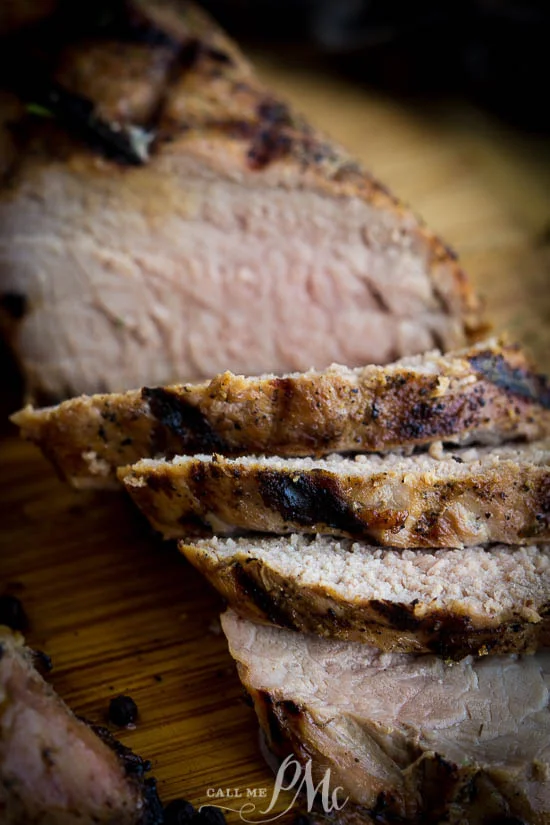
This rosemary pork tenderloin is marinated in pineapple juice, soy sauce and olive oil, then roasted until tender. The savoury-sweet marinade and fragrant rosemary make it a straightforward centrepiece for a family meal.
Ingredients
- 2 (170–198 g each)pork tenderloins
- 240 ml (1 cup)pineapple juice
- 120 ml (½ cup)low-sodium soy sauce
- 60 ml (¼ cup)olive oil
- ¼ to ½ teaspoonsalt
- ½ teaspoonblack pepper
- 3 tablespoons fresh rosemary, or ½ tablespoon dried rosemaryrosemary
Instructions
- 1
Marinate the pork
Mix the pineapple juice, soy sauce and olive oil in a freezer-safe zip-top bag. Add the tenderloins, seal the bag and set it in a bowl in case it leaks. Marinate for 1 to 2 hours.
- 2
Season the tenderloins
When you are ready to cook, preheat the oven to 204°C (400°F). Take the tenderloins out of the bag and sprinkle them with the salt, black pepper and crushed rosemary.
- 3
Bake and rest
Bake for 30 minutes, or until a meat thermometer inserted into the thickest part reads 71°C (160°F). Rest the pork for 10 minutes before slicing.
What is rosemary pork tenderloin?
Pork tenderloin is a lean, tender cut from along the pig’s backbone, usually cooked whole and sliced to serve. This American/Southern-style version pairs it with a simple pineapple juice and soy sauce marinade.
The sweet-savoury marinade and aromatic rosemary give the pork a lively flavour, while roasting keeps the method simple.
Nutrition and macros by portion
The nutrition label shows one serving as written: 84 calories, 2g protein, 5g carbs, 7g fat.
| Portion | Adjustment | kcal | Protein | Carbs | Fat |
|---|---|---|---|---|---|
| Lighter | Less oil, extra vegetables | 59 kcal | 1g | 4g | 5g |
| This serving | As written | 84 kcal | 2g | 5g | 7g |
| Hungry | Larger pork portion | 126 kcal | 3g | 8g | 11g |
The pork supplies most of the protein, while the pineapple juice contributes carbohydrates and the olive oil supplies much of the fat. Serve it with vegetables and a modest portion of potatoes or rice to round out the plate.
Why the marinade works
Pineapple juice: it brings sweetness and tang to the marinade. Soy sauce adds a savoury note, and olive oil rounds out the mixture.
Marinating time: leave the pork in the mixture for 1 to 2 hours as directed. Keep the bag in a bowl to catch any leaks.
Getting the rosemary ready
Fresh rosemary: crush it before sprinkling so its fragrant oils are released. Dried rosemary is also an option; use the smaller amount listed.
Seasoning: add salt and black pepper to the tenderloins after removing them from the marinade. The soy sauce is already savoury, so the recipe gives a range for the salt.
Roasting and checking doneness
Oven: preheat to 204°C (400°F) before the pork goes in, and bake for 30 minutes as a starting point.
Temperature: check the thickest part with a meat thermometer and follow the recipe’s target of 71°C (160°F). Rest the tenderloins for 10 minutes before cutting.
Slicing and serving
Slice the rested pork across the grain into rounds so it is easy to serve. Spoon any juices from the resting plate over the slices.
Serve it with potatoes or rice and a green vegetable for a balanced plate. These sides also pair well with the sweet-savoury flavours.
Planning the timing
The recipe lists 90 minutes in total, while the marinating step calls for 1 to 2 hours. Allow for the longer marinating time if needed, then add the 30-minute bake and 10-minute rest.
You can prepare the marinade and pork ahead within that window, then season and roast when it is time to eat.
Recipe notes & tips
- Use a bowl under the marinating bag to contain any leaks.
- Crush fresh rosemary just before seasoning the pork.
- Preheat the oven fully before baking.
- Check the thickest part of each tenderloin with a meat thermometer.
- Rest the pork for the full 10 minutes before slicing.
Variations
- Use dried rosemary: swap in ½ tablespoon dried rosemary as listed.
- Adjust the salt: start with ¼ teaspoon if you prefer a less salty finish.
- Add garlic: crush a clove into the marinade for a savoury variation.
- Serve with greens: pair the pork with green beans or another green vegetable.
- Change the side: serve with rice or potatoes to catch the juices.
Common mistakes to avoid
- Skipping the bowl: a leaking bag can make a mess; set it in a bowl while marinating.
- Using uncrushed rosemary: crush it before sprinkling so its aroma is released.
- Guessing doneness by time alone: check the thickest part with a meat thermometer.
- Slicing straight away: resting for 10 minutes gives the juices time to settle.
- Forgetting to preheat: wait until the oven reaches 204°C (400°F) before baking.
How to store
Refrigerate leftover pork in a covered container for up to 3 days. Reheat gently in the oven or microwave until hot, taking care not to overcook it.
Frequently asked questions
Can I use dried rosemary?
Yes. The recipe gives ½ tablespoon dried rosemary as an alternative to 3 tablespoons fresh rosemary.
How long should I marinate the pork?
Marinate it for 1 to 2 hours, as directed. Keep the sealed bag in a bowl in case it leaks.
What temperature should the pork reach?
The recipe calls for 71°C (160°F) in the thickest part. Check with a meat thermometer.
Why does the recipe say to rest the pork?
The method specifies a 10-minute rest before slicing. It also gives you time to prepare the rest of the meal.
Can I prepare the marinade ahead?
You can mix the marinade and add the pork in advance, keeping it in the fridge during the 1-to-2-hour marinating time. Cook it after marinating.
What goes well with rosemary pork tenderloin?
Try it with potatoes or rice and a green vegetable. The sides complement the sweet-savoury marinade.
Cook it from the original
This recipe comes from callmepmc.com. Their page has the author’s own photos, notes and tips — the best place to cook it from.
Open the recipe on callmepmc.com