
Pork Roast With Crackle
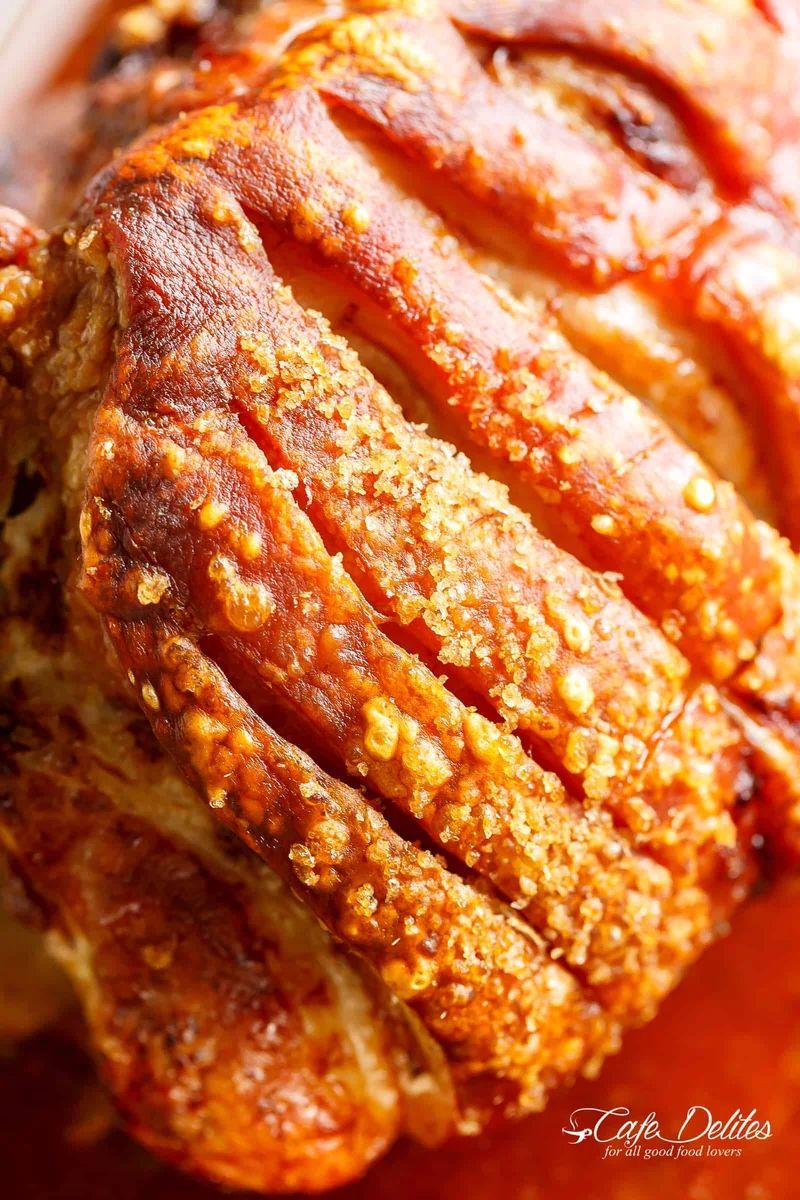
This American-style pork shoulder roast pairs tender, juicy meat with crisp, golden crackling. Drying the rind well and giving it a final blast of high heat are the keys to the finish.
Ingredients
- 1.81 kg (4 lb)boneless pork shoulder or butt, rind on
- 2 teaspoonsgarlic powder
- 60 ml (¼ cup)olive oil
- 1 teaspoonsalt
Instructions
- 1
Dry the rind
Remove all plastic wrapping and place the pork flat in a tray, rind-side up. Leave it uncovered in the fridge for at least 1 hour, or overnight if you have time, until the rind is completely dry.
- 2
Bring to room temperature
Take the pork out of the fridge 1–2 hours before roasting so it can come to room temperature.
- 3
Preheat the oven
Heat the oven to 240°C.
- 4
Score the rind
Use a sharp knife to score the rind at 2.5 cm intervals. Pat the skin thoroughly dry with kitchen paper.
- 5
Season the pork
Turn the pork skin-side down. Rub the garlic powder and about 1 teaspoon of salt into the meat beneath the rind. Drizzle the olive oil over the rind and meat, rubbing it in with your fingers; add more oil if needed. Season the rind generously with sea salt, about 1 tablespoon.
- 6
Roast until tender
Put the pork in a roasting dish and roast for 50 minutes, or until the rind crackles. Lower the oven to 180°C and roast for a further 1–1½ hours, according to how well done you like the meat.
- 7
Crisp the crackling
Raise the oven temperature to 230°C and roast for 10 minutes, until the rind is golden and crisp and the pork is cooked through. To check, pierce the thickest part with a knife: the juices should run clear. Alternatively, check that a thermometer reads 71°C.
- 8
Rest and carve
Take the pork out of the oven and leave it to rest for 15 minutes before carving.
What is pork roast with crackle?
A pork roast with crackle is a joint cooked with its rind left on, so the meat roasts beneath a crisp, savoury skin. Roasts like this are familiar in American home cooking, where pork shoulder or butt is valued for its rich flavour and forgiving texture.
This version keeps the seasoning simple and relies on a dry rind and two stages of high heat to help the crackling turn golden.
Nutrition and macros by portion
The nutrition label shows one serving as written: 350 calories, 51g protein, 1g carbs, 14g fat.
| Portion | Adjustment | kcal | Protein | Carbs | Fat |
|---|---|---|---|---|---|
| Lighter | Trim visible meat fat | 245 kcal | 36g | 1g | 10g |
| This serving | As written | 350 kcal | 51g | 1g | 14g |
| Hungry | Serve extra pork | 525 kcal | 77g | 2g | 21g |
The pork supplies most of the protein, while the olive oil and fat in the shoulder contribute most of the fat. The small amount of carbohydrate comes from the seasoning, so serve a portion with vegetables and potatoes or another filling side for a more balanced plate.
Choosing the cut
Shoulder: A boneless shoulder, also called pork butt in some regions, has enough fat and connective tissue to stay succulent through a long roast. Make sure the rind is still attached if crackling is the goal.
Drying the rind
Uncovered fridge time: The method allows at least 1 hour, or overnight, for the rind to dry. Pat it again with kitchen paper just before seasoning; damp patches can make it harder to crisp evenly.
Scoring and seasoning
Even cuts: Score the rind at 2.5 cm intervals, taking care not to cut deeply into the meat. The slits help the skin render and make the finished joint easier to carve.
Salt: Rub garlic powder and 1 teaspoon of salt into the meat, then add the method's stated generous sea salt over the rind. Keep the meat-side seasoning separate so the crackling gets an even coating.
Roasting in stages
Initial heat: Start at 240°C for 50 minutes, until the rind begins to crackle. This gives the skin a strong burst of heat before the slower cooking stage.
Steady roast: Lower the oven to 180°C for 1–1½ hours, then finish at 230°C for 10 minutes. Oven performance and the shape of the joint affect the timing, so use the doneness checks as well as the clock.
Checking doneness
Thermometer: Check the thickest part of the meat and follow the recipe's stated target of 71°C. Avoid letting the probe touch the roasting dish.
Resting: Leave the roast for 15 minutes before carving. This gives you time to prepare sides and helps the joint settle for cleaner slices.
What to serve with it
Vegetables: Serve slices with roast potatoes, carrots or greens to make a more rounded plate. A sharp apple sauce or tangy gravy can balance the richness of the pork and crackling.
Recipe notes & tips
- Allow the rind to dry uncovered in the fridge for as long as your schedule permits.
- Pat the rind dry again immediately before roasting.
- Keep the scoring even and avoid cutting through into the meat.
- Use a thermometer in the thickest part of the joint to check doneness.
- Rest the roast for the full 15 minutes before carving.
Variations
- Add black pepper: Season the meat with freshly ground pepper alongside the garlic powder.
- Use fresh garlic: Rub finely grated garlic into the meat instead of using garlic powder.
- Add herbs: Rub chopped rosemary or thyme into the meat with the seasoning.
- Serve with apple sauce: Add a tart apple sauce on the side to contrast with the rich pork.
- Make a pan gravy: Use the roasting juices as a base for gravy to serve with the carved meat.
Common mistakes to avoid
- Wet rind: Pat it thoroughly dry and leave it uncovered in the fridge before roasting.
- Deep scoring: Cut the rind without slicing far into the meat.
- Uneven scoring: Space the cuts consistently so the rind cooks more evenly.
- Skipping the final heat: Raise the oven to 230°C for the stated 10 minutes to finish crisping the rind.
- Carving straight away: Rest the roast for 15 minutes before slicing.
How to store
Refrigerate leftover pork in a covered container within 2 hours of cooking and use within 3 days. Reheat the meat until piping hot; warm crackling separately in a hot oven to help it crisp again.
Frequently asked questions
Can I dry the pork rind overnight?
Yes. The method recommends leaving the pork uncovered in the fridge for at least 1 hour, or overnight if time allows.
How do I know when the pork is cooked?
The recipe gives a target of 71°C in the thickest part. It also describes clear juices when pierced with a knife as a doneness check.
Why hasn't my crackling crisped?
The rind may not have been dry enough, or the final high-heat stage may need attention. Pat the skin dry before roasting and finish at 230°C for 10 minutes as directed.
Can I prepare the pork ahead?
You can leave it uncovered in the fridge overnight to dry the rind. Bring it out 1–2 hours before roasting, as the method specifies.
How long should the roast rest?
Rest it for 15 minutes before carving.
Cook it from the original
This recipe comes from cafedelites.com. Their page has the author’s own photos, notes and tips — the best place to cook it from.
Open the recipe on cafedelites.com