
Potato Pancakes with Fried Eggs | Recipes
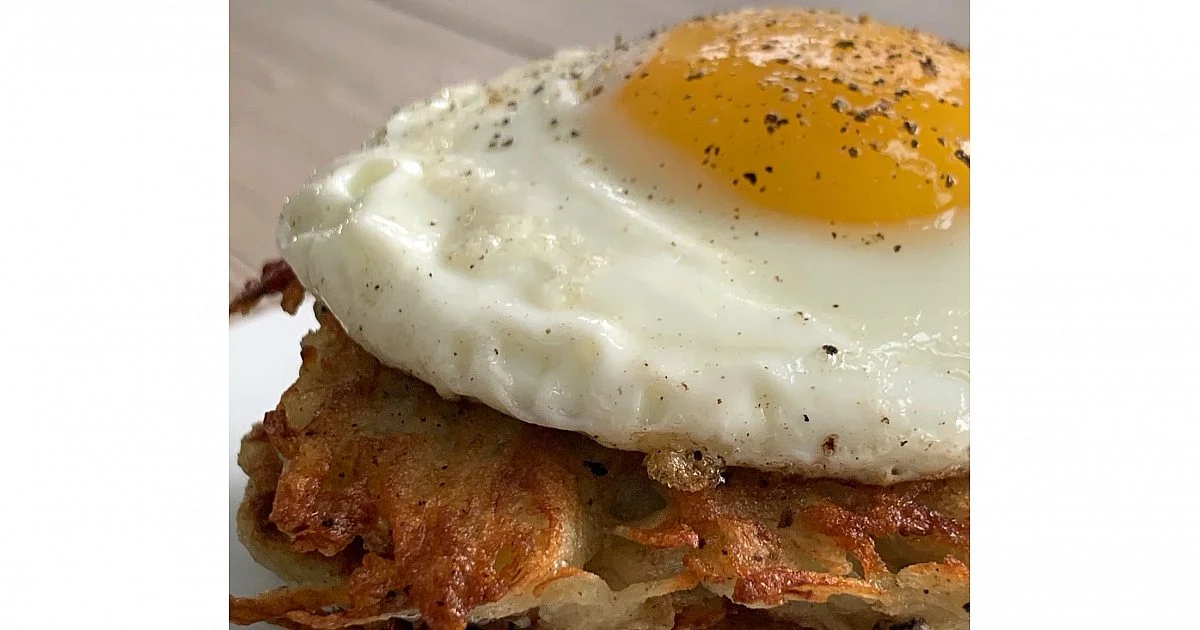
Crisp, golden potato pancakes are served with fried eggs, making a hearty breakfast or simple supper. Squeezing the grated potatoes dry helps them brown, while clarified butter makes them easier to fry without scorching.
Ingredients
- 907 g (2 lb)large baking potatoes
- 1; quantity as given in the methodegg, for the potato mixture
- Not specifiedplain flour
- To tastesalt
- To tasteblack pepper
- 90 ml (6 tbsp) total; use 30 ml (2 tbsp) for the pancakes and the remainder for frying the eggsclarified butter
- Not specified; fry two at a timeeggs, for serving
- 113 g (8 tbsp), if making the clarified butter from scratchbutter
Instructions
- 1
Grate the potatoes
Peel the potatoes and grate them lengthwise. Put the grated potato in a colander or clean kitchen towel and squeeze out as much liquid as you can. Combine it in a bowl with the egg, flour, salt and pepper, then mix well.
- 2
Fry the pancakes
Melt 30 ml (2 tbsp) of clarified butter in a frying pan. Add a heaped tablespoon of the potato mixture for each pancake, flatten with a spatula and cook for 2 minutes. Turn, flatten again and cook for another 2 minutes, until crisp and golden. Transfer to a paper-towel-lined plate as you cook the remaining mixture. Use the remaining clarified butter in the same pan to fry the eggs, two at a time, until their yolks are runny or jammy, as preferred. Serve 3–4 pancakes per plate with a fried egg on top, season with salt and pepper, and serve hot.
- 3
Clarify the butter
To make 90 ml (6 tbsp) of clarified butter, slowly melt 113 g (8 tbsp) of butter in a small saucepan. Leave it until the milk solids settle. Spoon off any solids that rise to the surface, then carefully pour the golden liquid into a container, leaving the milky sediment in the pan. Clarified butter can withstand more heat before burning than ordinary melted butter.
What are potato pancakes?
Potato pancakes are grated potato mixed with a little binder and fried in small, flat rounds. They appear in many cuisines and are often served as a breakfast or savoury side.
This version pairs the crisp pancakes with fried eggs. The method keeps the seasoning simple and relies on thoroughly drying the potato and frying it until golden.
Nutrition and macros by portion
The nutrition label shows one serving as written: 450 calories, 13g protein, 55g carbs, 20g fat.
| Portion | Adjustment | kcal | Protein | Carbs | Fat |
|---|---|---|---|---|---|
| Lighter | Use less clarified butter | 315 kcal | 9g | 39g | 14g |
| This serving | As written | 450 kcal | 13g | 55g | 20g |
| Hungry | Serve an extra pancake | 675 kcal | 20g | 83g | 30g |
Most of the carbohydrates come from the potatoes and flour, while the clarified butter contributes much of the fat. The eggs provide most of the protein, with additional fat from their yolks. Add a portion of greens or salad alongside to round out the plate.
The potatoes and mixture
Baking potatoes: their starchy flesh helps the pancakes hold together and brown. Grating lengthwise gives long shreds that form a textured, lacy surface.
Drying: squeeze the grated potato firmly in a colander or kitchen towel. Removing excess liquid helps it fry rather than steam.
Binder: the egg and flour help the shreds cohere. The recipe does not specify an amount of flour, so add only the quantity intended for the original mixture rather than treating it as a precisely measured formula.
Frying in clarified butter
Clarified butter: its milk solids have been removed, so it tolerates the hot pan better than regular butter. Use the first 30 ml (2 tbsp) for the pancakes and save the rest for the eggs.
Pan heat: the butter should be sizzling when the potato mixture goes in. If it smokes or the pancakes darken before the centre cooks, lower the heat.
Getting a crisp finish
Shape: use a heaped tablespoon of mixture for each pancake and flatten it with a spatula. Thin, even rounds cook through in the stated 2 minutes per side.
Doneness: look for crisp edges and a golden-brown surface before turning. The pancakes should feel set enough to flip without breaking apart.
Cooking the eggs
Yolks: fry the eggs in the same pan after the pancakes, cooking two at a time. Stop when the yolks reach the runny or jammy texture you like.
Serving: put a fried egg on each plate with 3–4 pancakes and season just before serving. The recipe gives no separate quantity for the eggs, so the serving count may need to be adjusted to suit the number of diners.
Serving and timing
The pancakes are best served as soon as they leave the pan, while their edges are still crisp. If you are cooking several batches, keep the finished pancakes on a paper-towel-lined plate as directed.
Serve them on their own for a filling breakfast, or add a fresh salad or lightly dressed greens for a more balanced plate.
Recipe notes & tips
- Squeeze the grated potato in batches if that makes it easier to remove the liquid.
- Keep the grated potato mixture together between batches so the shreds remain evenly coated.
- Wait for the butter to sizzle before adding the first pancakes.
- Flatten each pancake to a similar thickness for more even cooking.
- Fry the eggs after the pancakes so they can use the flavoured butter left in the pan.
- Serve promptly for the best contrast between crisp pancakes and soft egg yolk.
Variations
- Add chives: stir finely chopped chives into the potato mixture for a fresh savoury note.
- Add onion: mix in a little finely grated onion, squeezing it dry along with the potatoes.
- Change the herbs: serve with chopped parsley or dill scattered over the pancakes.
- Make smaller pancakes: use a smaller spoonful of mixture for bite-sized rounds and watch them closely as they cook.
- Serve with smoked salmon: add a few slices alongside the pancakes and egg for a more substantial plate.
Common mistakes to avoid
- Wet potato: squeeze it thoroughly so the pancakes brown instead of turning soft and steamy.
- Pan too hot: lower the heat if the butter smokes or the outside darkens before the centre cooks.
- Crowded pan: cook in batches so the pancakes have room to brown and are easier to turn.
- Pancakes too thick: flatten them evenly so the middle cooks through in the stated time.
- Turning too soon: wait until the underside is golden and set before flipping to help keep each pancake intact.
How to store
Refrigerate leftover pancakes in a covered container and use within 2 days. Reheat in a frying pan or oven until hot and crisp; the fried eggs are best made fresh.
Frequently asked questions
Can I make the potato pancakes ahead?
They are best straight from the pan, but you can fry them ahead and reheat them in a pan or oven to bring back some crispness. Cook the eggs just before serving.
Why are my potato pancakes soggy?
The grated potatoes may still contain too much liquid, or the pan may not be hot enough. Squeeze the shreds firmly and make sure the butter is sizzling before frying.
Can I use ordinary butter instead of clarified butter?
Clarified butter is recommended because it is less prone to burning. Regular butter can brown quickly, so use moderate heat and keep a close eye on the pan.
How do I know when the pancakes are cooked?
The outside should be crisp and golden brown after about 2 minutes on each side. If they brown too quickly, reduce the heat so the centres have time to cook.
How should I cook the egg yolks?
Cook the eggs until the yolks are as runny or jammy as you prefer. The method suggests frying two at a time in the same pan.
Can I freeze the pancakes?
The recipe does not give freezing instructions. For best texture, refrigerate leftovers and reheat them in a pan or oven rather than freezing.
Cook it from the original
This recipe comes from barefootcontessa.com. Their page has the author’s own photos, notes and tips — the best place to cook it from.
Open the recipe on barefootcontessa.com