
Basic Quick Bread Recipe (Batter Bread)
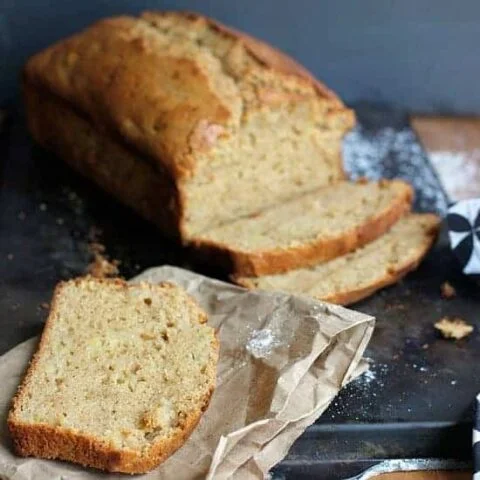
This adaptable batter bread can be made savoury or sweet, with a soft loaf texture and simple pantry ingredients. Bake it plain or fold in herbs, spices, fruit, nuts or other add-ins to suit the meal.
Ingredients
- 281 g (2¼ cups)plain flour or self-raising flour
- 12 g (1 tbsp)baking powder (omit if using self-raising flour)
- 2.5 g (½ tsp)kosher salt (omit if using self-raising flour)
- 3 largeeggs, at room temperature
- 360 ml (1½ cups)milk or buttermilk, at room temperature
- 90 ml (6 tbsp)rapeseed oil or another oil or liquid fat
- To tastespices or mix-ins (optional)
- 281 g (2¼ cups)plain flour or self-raising flour
- 12 g (1 tbsp)baking powder (omit if using self-raising flour)
- 1.25 g (¼ tsp)kosher salt (omit if using self-raising flour)
- 3 largeeggs, at room temperature
- 360 ml (1½ cups)milk or buttermilk, at room temperature
- 90 ml (6 tbsp)rapeseed oil or another oil or liquid fat
- 300 g (1½ cups)granulated sugar or soft brown sugar, or a combination
- 7.5 ml (½ tbsp)vanilla extract (optional)
- To tastespices or mix-ins (optional)
Instructions
- 1
Prepare the tin
Heat the oven to 177°C (350°F). Grease a 23 × 13 cm (9 × 5-inch) loaf tin with baking spray or line it with baking parchment.
- 2
Mix dry ingredients
In a large bowl, whisk together the flour, baking powder and salt, along with any spices or herbs you are using.
- 3
Whisk wet ingredients
In a separate bowl, whisk the eggs, milk, oil and, for a sweet loaf, sugar. Whisk in any extracts or other liquids you plan to use.
- 4
Combine the mixtures
Add the wet ingredients to the dry ingredients and stir with a spoon or rubber spatula until combined; the mixture will be a batter rather than a dough. For a sweet loaf, stop as soon as the flour is absorbed to avoid a tough texture. For a savoury loaf, stir for about 1 minute to develop some gluten and give it a more bread-like texture.
- 5
Fold in additions
Fold in any extras, such as cheese, berries or nuts.
- 6
Bake the loaf
Pour the batter into the prepared tin. Bake at 177°C (350°F) for 40–45 minutes for the savoury version or 50–55 minutes for the sweet version, until a toothpick inserted in the centre comes out with moist crumbs.
What is batter bread?
Batter bread is a quick loaf made by stirring together wet and dry ingredients, rather than kneading a firm dough. This flexible recipe offers a savoury and a sweet route from the same basic idea.
Quick breads are a practical home-baking tradition: they rely on chemical leavening rather than yeast fermentation. The batter method keeps the process straightforward, while the choice of sugar, herbs or add-ins gives the loaf its character.
Nutrition and macros by portion
The nutrition label shows one serving as written: 160 calories, 0g protein, 0g carbs, 0g fat.
| Portion | Adjustment | kcal | Protein | Carbs | Fat |
|---|---|---|---|---|---|
| Lighter | Smaller slice, fewer add-ins | 112 kcal | 0g | 0g | 0g |
| This serving | As written | 160 kcal | 0g | 0g | 0g |
| Hungry | Larger slice | 240 kcal | 0g | 0g | 0g |
The flour and, in the sweet version, sugar provide most of the carbohydrates; the oil contributes most of the fat. Eggs and milk add protein, though the exact balance varies with the version and any additions. Pair a slice with vegetables and a protein-rich dish for a more balanced plate.
Choosing the flour and raising agent
Plain flour: use it with the listed baking powder and salt for the standard version. Mix them evenly through the flour so the loaf rises consistently.
Self-raising flour: this is an alternative, not an addition to plain flour. The recipe notes that you should omit the baking powder and salt when using it.
Keep the batter tender
Sweet batter: stir only until the flour is absorbed. Extra mixing can make the finished loaf tough.
Savoury batter: the method recommends stirring for about 1 minute for a more bread-like texture. Fold in chunky additions after mixing so they are distributed without overworking the batter.
Room-temperature ingredients
Eggs and dairy: the recipe calls for both to be at room temperature. This helps them combine more readily with the oil and other ingredients.
Buttermilk: it can replace milk in either version. Keep the quantity the same and whisk it with the other wet ingredients.
Tell when it is baked
Timing: the savoury loaf takes 40–45 minutes, while the sweet loaf takes 50–55 minutes at 177°C. These are separate timings for the two versions, so check the loaf you are making towards the end of its stated range.
Centre: insert a toothpick into the middle of the loaf. It should come out with moist crumbs, as directed in the recipe.
Make it your own
Savoury flavours: herbs and spices can go into the dry ingredients, while cheese can be folded in with other additions. Keep additions modest enough for the batter to hold them evenly.
Sweet flavours: vanilla provides a simple base, and berries or nuts can be folded into the batter. The recipe also allows granulated sugar, soft brown sugar or a mixture of the two.
Serving the loaf
Serve the savoury version alongside soup, a salad or a main meal. The sweet loaf works well sliced for breakfast or a snack, plain or with a little butter.
Let the loaf settle before slicing so the crumb holds together more neatly. Choose savoury or sweet additions to match how you plan to serve it.
Recipe notes & tips
- Bring the eggs and milk or buttermilk to room temperature before mixing.
- Use either plain flour with baking powder and salt, or self-raising flour without them.
- Measure the batter additions before you start mixing so you can avoid overworking it.
- Fold berries, nuts or cheese in gently after combining the wet and dry mixtures.
- Start checking the loaf near the beginning of its stated baking-time range.
- Use the toothpick test in the centre to check for moist crumbs.
Variations
- Herb loaf: whisk dried or finely chopped herbs into the dry ingredients.
- Cheese loaf: fold grated cheese into the batter before transferring it to the tin.
- Berry loaf: gently fold berries through the batter so they stay intact.
- Nut loaf: stir chopped nuts into the batter with the other add-ins.
- Brown sugar version: use soft brown sugar instead of granulated sugar in the sweet loaf.
- Spiced sweet loaf: add spices to the dry ingredients and keep the vanilla in the wet mixture.
Common mistakes to avoid
- Overmixing sweet batter: it can make the loaf tough, so stop when the flour is absorbed.
- Using raising agents with self-raising flour: omit the baking powder and salt as the recipe directs.
- Adding mix-ins too early: fold them in after combining the batter so they are easier to distribute.
- Skipping the centre check: test with a toothpick and look for moist crumbs.
- Using the wrong baking time: the savoury loaf has a shorter range than the sweet version, so follow the timing for the one you are making.
How to store
Once cool, store the loaf in an airtight container at room temperature and eat within 2–3 days. Reheat slices briefly in a low oven or toaster; the recipe does not specify a freezing method.
Frequently asked questions
Can I use self-raising flour?
Yes. The recipe gives self-raising flour as an alternative to plain flour and says to leave out the baking powder and salt when using it.
Can I make this bread savoury or sweet?
Yes. Make the savoury version without sugar and use the shorter baking time. For the sweet version, add the sugar and vanilla and bake for 50–55 minutes.
Can I use buttermilk instead of milk?
Yes, the recipe lists milk or buttermilk in the same quantity. Use whichever you have, at room temperature.
How much should I mix the batter?
For the sweet loaf, stir just until the flour is absorbed. For the savoury version, the method suggests stirring for about 1 minute for a more bread-like texture.
How do I know when the loaf is done?
Insert a toothpick in the centre. It should come out with moist crumbs, not wet batter.
What can I add to the batter?
The recipe suggests options such as cheese, berries and nuts, as well as spices and herbs. Fold additions in after combining the wet and dry ingredients.
Cook it from the original
This recipe comes from bakerbettie.com. Their page has the author’s own photos, notes and tips — the best place to cook it from.
Open the recipe on bakerbettie.com