
Master Sweet Dough Recipe for Yeast Breads
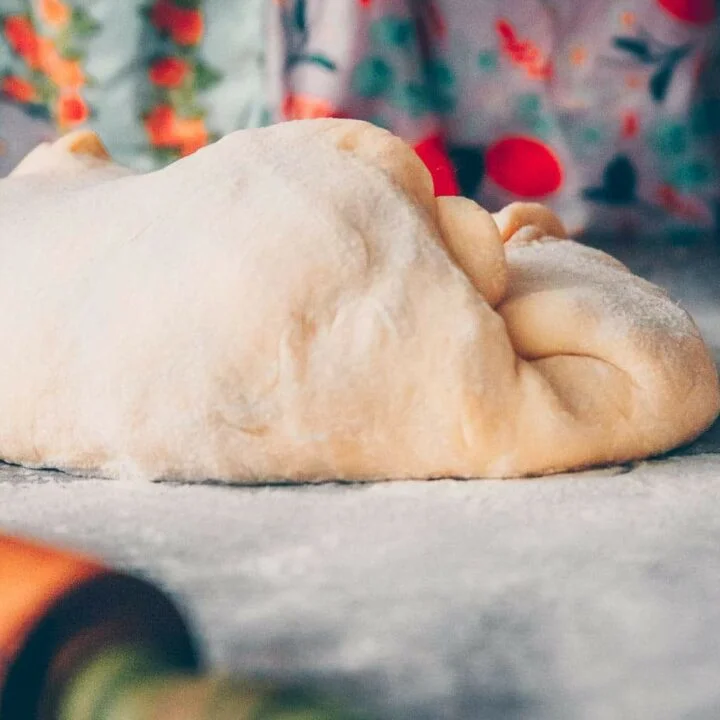
This enriched yeast dough makes soft, fluffy breads with a tender crumb and a little chew. Use it as a versatile base for cinnamon rolls, raised doughnuts, dinner rolls or a shaped loaf.
Ingredients
- 237 ml (1 cup; 8 fl oz)whole milk (lower-fat milk can be substituted)
- 7 g (1 package; 2½ tsp)active dry or quick-rise yeast
- 49 g (¼ cup; 1.75 oz)granulated sugar
- 73 g (⅓ cup; 5½ tbsp; 2.6 oz)unsalted butter, melted and cooled
- 2 largeeggs, at room temperature
- 6 g (1¼ tsp) Morton kosher salt or table salt; use 2½ tsp if using Diamond kosher saltsalt
- 476 g (4 cups; 17 oz)plain flour
Instructions
- 1
Warm the milk
Warm the milk to about 43–46°C. You can do this on the hob or in the microwave; microwaving should take about 30–45 seconds. Keep it below excessive heat, which can kill the yeast. Sprinkle the yeast over the milk and stir.
- 2
Mix butter and sugar
In a large mixing bowl or the bowl of a stand mixer, stir together the cooled melted butter, sugar and salt using a spoon or rubber spatula.
- 3
Add the eggs
Stir in the eggs one at a time, mixing each one in before adding the next.
- 4
Add the yeast
Stir the milk and yeast mixture into the bowl.
- 5
Add the flour
Stir in the flour until it is all hydrated. The dough will look shaggy at this stage.
- 6
Knead the dough
Knead by hand or with a stand mixer fitted with a dough hook. For hand-kneading, lightly flour a work surface and knead for about 6–7 minutes, until smooth and elastic; the dough starts very sticky and becomes less so as you work it. For a stand mixer, knead at medium-high speed for about 5 minutes, scraping the bottom of the bowl halfway through.
- 7
Let it rise
Lightly spray the dough with oil and cover the bowl with a tea towel or plastic wrap. Leave at room temperature until doubled in size: about 30–45 minutes with quick-rise yeast or 1–2 hours with active dry yeast. A warm spot will speed up the rise.
- 8
Deflate the dough
Press down in the centre to release the air, then bring the edges of the dough over the top. Shape it into cinnamon rolls, dinner rolls, a loaf or another bread.
What is sweet yeast dough?
Sweet yeast dough is an enriched bread dough, made with ingredients such as milk, butter, eggs and sugar alongside flour and yeast. Enriched yeasted breads have a long history across many baking traditions, and this recipe is designed as a flexible starting point rather than a finished loaf.
The combination of dairy and eggs gives the dough a tender, soft texture, while kneading develops enough structure to make it stretchy and slightly chewy. Its modest sweetness suits both filled breads and soft rolls.
Nutrition and macros by portion
The nutrition label shows one serving as written: 236 calories, 0g protein, 0g carbs, 0g fat.
| Portion | Adjustment | kcal | Protein | Carbs | Fat |
|---|---|---|---|---|---|
| Lighter | Use lower-fat milk | 165 kcal | 0g | 0g | 0g |
| This serving | As written | 236 kcal | 0g | 0g | 0g |
| Hungry | Larger bread portion | 354 kcal | 0g | 0g | 0g |
Most of the dough's carbohydrate comes from the flour and sugar; butter and egg yolks contribute much of its fat, while the eggs and milk provide some protein. For a balanced plate when serving it as bread, pair a roll with a protein-rich filling and vegetables.
Choosing the ingredients
Milk and butter: Whole milk and unsalted butter give the dough richness and tenderness. The recipe allows lower-fat milk as a substitute, though the finished dough may be a little less rich.
Yeast and salt: Either active dry or quick-rise yeast works, but the rise times differ. Use the stated salt amount for Morton kosher or table salt; Diamond kosher salt needs more by volume, as specified in the ingredients.
Getting the yeast going
Warm milk: Aim for 43–46°C before adding the yeast. Milk that is too hot can harm the yeast, so take care if heating it in the microwave and stir it before using.
Yeast choice: The method mixes the yeast directly into the warmed milk. Quick-rise yeast generally reaches the doubled stage sooner, while active dry yeast takes longer according to the recipe's timing.
Kneading sticky dough
Start sticky: The dough is expected to feel very sticky at first, so avoid adding lots of extra flour. Kneading helps it become smoother and less sticky as the ingredients come together.
By hand or mixer: Hand-knead on a lightly floured surface for 6–7 minutes, or use a dough hook at medium-high speed for about 5 minutes. If using a mixer, scrape the bottom of the bowl halfway through.
Knowing when it has risen
Look for volume: The dough is ready for deflating when it has doubled in size, rather than simply when a particular number of minutes has passed. Room temperature and yeast type affect the timing.
Allow 30–45 minutes with quick-rise yeast or 1–2 hours with active dry yeast. A warm spot can shorten the wait, so check the dough's size as it rises.
Shaping and serving ideas
Choose a shape: Once deflated, the dough can be shaped into cinnamon rolls, dinner rolls, a loaf or raised doughnuts. The recipe gives the dough-making method but not the shaping or baking instructions for those individual breads.
For a savoury meal, soft rolls pair well with soup or a salad. Sweet shapes can be served with fruit or alongside tea or coffee.
Recipe notes & tips
- Bring the eggs to room temperature before mixing so they are easier to incorporate.
- Let the melted butter cool before combining it with the other ingredients.
- Measure the milk temperature with a thermometer if you are unsure how warm it is.
- Resist adding a large amount of flour when the dough first feels sticky.
- Cover the bowl well during fermentation so the dough surface does not dry out.
- Use the doubled size as the main cue for the end of the rise.
Variations
- Cinnamon rolls: Roll and fill the dough using your preferred cinnamon-roll method after the first rise.
- Dinner rolls: Divide and shape the dough into rolls, then follow a suitable roll recipe for the final rise and bake.
- Raised doughnuts: Shape the dough into doughnuts and use a raised-doughnut method for proofing and cooking.
- Shaped loaf: Form the deflated dough into a loaf and follow a suitable baking method for your tin and oven.
- Lower-fat milk: Substitute lower-fat milk for whole milk as the recipe allows.
Common mistakes to avoid
- Overheated milk: Milk that is too hot can kill the yeast; warm it only to 43–46°C.
- Hot butter: Butter that has not cooled can make the mixture too warm; let it cool before mixing.
- Adding flour too quickly: The dough is meant to start sticky; knead before deciding it needs more flour.
- Skipping the bowl scrape: Dough can remain at the bottom of the mixer bowl; scrape it halfway through kneading.
- Relying only on the clock: Rise times vary; wait until the dough has doubled in size.
- Using the wrong salt measure: Diamond kosher salt needs 2½ teaspoons rather than the listed 1¼ teaspoons.
How to store
If not shaping the dough straight away, cover it and refrigerate it, then bring it out when ready to work with; the recipe does not specify a storage duration. For longer storage, freeze the dough in an airtight container and thaw it in the refrigerator before shaping.
Frequently asked questions
Can I use active dry yeast instead of quick-rise yeast?
Yes. The recipe lists either type; allow about 1–2 hours for the dough to double with active dry yeast, compared with 30–45 minutes with quick-rise yeast.
Why is the dough so sticky at first?
That is expected. Kneading develops the dough and makes it smoother and less sticky, so start with only a light dusting of flour on the work surface.
Can I knead this dough by hand?
Yes. Knead it on a lightly floured surface for about 6–7 minutes, until smooth and elastic.
How do I know when the dough is ready after rising?
It should have doubled in size. Use that visual cue alongside the suggested timing, since room temperature and yeast type affect how quickly it rises.
What can I make with this dough?
The recipe suggests cinnamon rolls, raised doughnuts, dinner rolls and loaves. The shaping and baking instructions will depend on the particular bread you choose.
Can I use lower-fat milk?
Yes. The recipe says lower-fat milk can be substituted for whole milk.
Cook it from the original
This recipe comes from bakerbettie.com. Their page has the author’s own photos, notes and tips — the best place to cook it from.
Open the recipe on bakerbettie.com