
Brown Sugar Shortbread
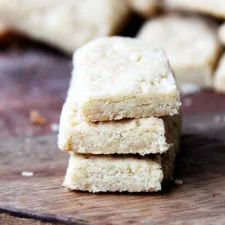
Brown sugar shortbread is a simple, buttery biscuit with a gentle caramel flavour and a tender, crisp bite. This small-batch recipe is easy to mix, press into a pan and cut into neat pieces for sharing with tea or coffee.
Ingredients
- 110 g (½ cup)salted butter, at room temperature
- 50 g (¼ cup)light brown sugar
- 160 g (1⅓ cups)plain flour
- ½ teaspoonfleur de sel, or ¼ teaspoon kosher salt, if using unsalted butter instead
Instructions
- 1
Cream butter and sugar
Using a wooden spoon or electric mixer, beat the butter and brown sugar until pale and fluffy. Add the flour and mix just until it is incorporated.
- 2
Press and score
Transfer the dough to a 20 cm (8-inch) square tin and press it into an even layer with your fingers; it will be thin. Prick the surface evenly with a fork, then score it into 6 rows and 4 columns with a knife or bench scraper.
- 3
Chill the dough
Cover the tin with cling film and refrigerate the dough for at least 20 minutes. Preheat the oven to 163°C (325°F).
- 4
Bake until pale
Bake for about 25 minutes, until the dough is very light golden brown and its surface looks dry. Keep a close eye on it so it does not get too dark; it will deepen in colour as it cools.
- 5
Cut and cool
Take the tin out of the oven and immediately cut along the scored lines. Leave the shortbread to cool in the tin before separating the pieces.
What is brown sugar shortbread?
Shortbread is a traditional Scottish-style biscuit, though versions like this one are also familiar in American home baking. Its characteristic crumbly texture comes from a straightforward mix of butter, sugar and flour.
This recipe, shared by Merrill Stubbs and adapted from her grandmother, uses brown sugar for a mild caramel note. Pressing and scoring the dough in one tin keeps the process simple and makes 24 small pieces.
Nutrition and macros by portion
The nutrition label shows one serving as written: 65 calories, 2g protein, 18g carbs, 5g fat.
| Portion | Adjustment | kcal | Protein | Carbs | Fat |
|---|---|---|---|---|---|
| Lighter | Serve a smaller piece | 46 kcal | 1g | 13g | 3g |
| This serving | As written | 65 kcal | 2g | 18g | 5g |
| Hungry | Serve two pieces | 98 kcal | 3g | 28g | 7g |
The flour and brown sugar provide most of the carbohydrates, while butter accounts for nearly all the fat; the small amount of protein comes mainly from the flour. Pair a piece with fresh fruit or yoghurt if you want a more substantial snack.
Choose the butter
Salted butter: It brings seasoning as well as richness, so the ingredient list needs no extra salt when you use it.
Unsalted butter: Add ½ teaspoon fleur de sel or ¼ teaspoon kosher salt as specified in the recipe. Let the butter come to room temperature so it creams smoothly with the sugar.
Mix without overworking
Creaming: Beat the butter and brown sugar until the mixture looks fluffy and pale. This helps distribute the sugar through the dough.
Flour: Stir it in only until no dry patches remain. Mixing further can make the shortbread less tender.
Press and score evenly
Thin layer: The dough should cover the base of the 20 cm square tin in a fairly thin, even sheet. Press it into the corners and level any thicker spots with your fingers.
Fork and knife: Pricking the surface gives the dough small vents, while scoring marks out the 24 pieces. Cut along those marks as soon as the tin comes out of the oven, when the shortbread is easiest to portion.
Watch for doneness
Colour: Take the shortbread out when it is only very lightly golden and the surface looks dry. It can turn darker as it cools, so waiting for a deep golden colour risks overbaking it.
Cooling: Let the pieces cool fully in the tin before separating them. They are delicate while warm and firm up as they cool.
Serving and timing
The recipe takes about 55 minutes in total, including at least 20 minutes of chilling and about 25 minutes of baking. Use the chilling time to preheat the oven and prepare a cooling space.
Serve the shortbread with tea or coffee, or alongside fresh fruit for a simple snack. Its buttery sweetness also works well as a small dessert after a meal.
Recipe notes & tips
- Use butter that is soft enough to cream but not melted.
- Scrape down the bowl once if butter or sugar is sticking to the sides.
- Press the dough into an even layer so the shortbread bakes at a consistent rate.
- Score all 24 portions before baking to make the hot shortbread easier to cut.
- Check the colour near the end of baking, as the shortbread should remain very pale.
Variations
- Finer salt: Use fleur de sel with unsalted butter for a delicate, even seasoning.
- Kosher salt: Choose the recipe's smaller salt measure if using kosher salt with unsalted butter.
- Neater portions: Trim the edges after cooling, then separate the scored pieces.
- Tea pairing: Serve the shortbread with a cup of black tea for a simple afternoon treat.
Common mistakes to avoid
- Over-creaming: Stop once the butter and sugar are pale and fluffy rather than beating indefinitely.
- Too much mixing: Stir in the flour only until incorporated to help keep the texture tender.
- Uneven pressing: Level the dough across the tin so thin areas do not brown faster.
- Skipping the chill: Refrigerate for at least 20 minutes before baking as directed.
- Overbaking: Remove the tin when the surface looks dry and the colour is only very light gold.
How to store
Once completely cool, store the shortbread in an airtight container at room temperature for several days. Separate layers with baking paper if needed, and let chilled pieces come back to room temperature before serving.
Frequently asked questions
Can I use unsalted butter?
Yes. Add ½ teaspoon fleur de sel or ¼ teaspoon kosher salt to the butter and sugar, as noted in the recipe.
Why is the dough pressed into such a thin layer?
The recipe is designed for a 20 cm square tin, where the dough forms a thin sheet. Press it evenly across the base rather than trying to make it thicker.
Do I need to prick and score the dough?
Yes. Prick the surface evenly with a fork and score 6 rows by 4 columns before baking. The score lines guide the cuts while the shortbread is still hot.
How do I know when the shortbread is done?
Look for a very light golden colour and a dry-looking surface after about 25 minutes. It will darken as it cools, so take care not to wait for a deeper colour.
When should I separate the pieces?
Cut through the scored lines immediately after removing the tin from the oven. Let the shortbread cool in the tin before separating the pieces.
Cook it from the original
This recipe comes from alexandracooks.com. Their page has the author’s own photos, notes and tips — the best place to cook it from.
Open the recipe on alexandracooks.com