
Castilla squash empanadas
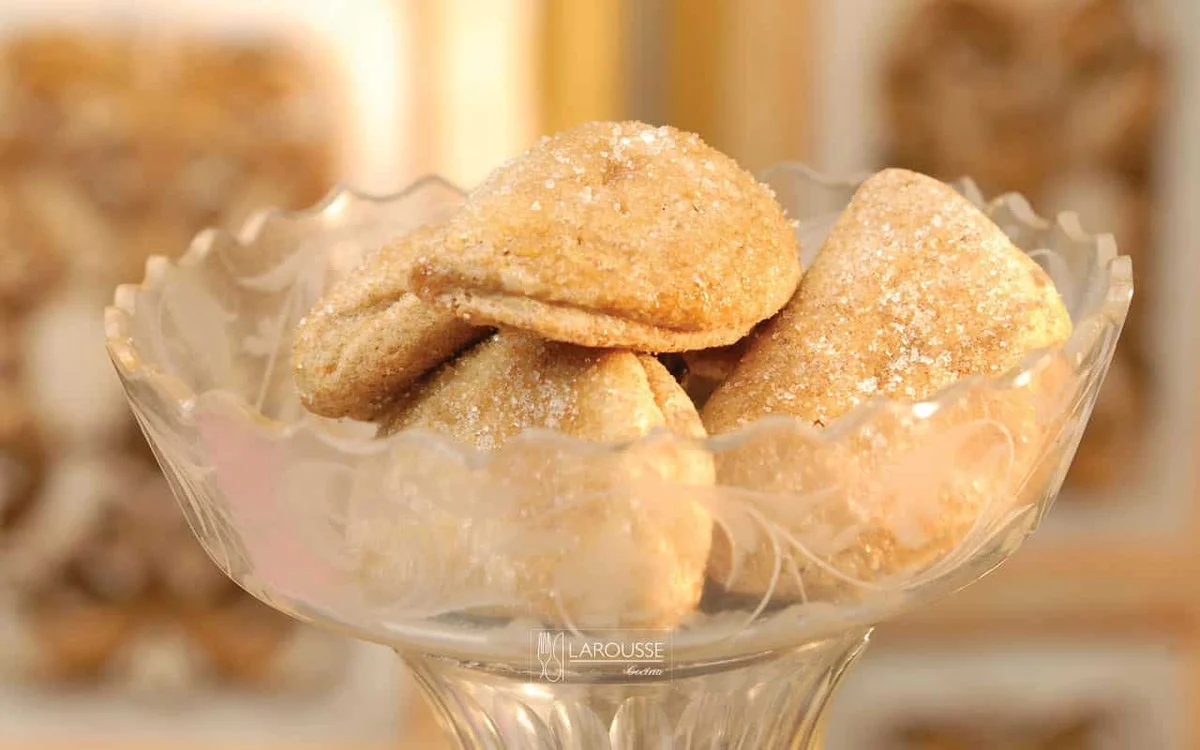
These Mexican empanadas have a gently spiced Castilla squash and walnut filling wrapped in a tender, lard-rich pastry. They bake until lightly golden, then get a crisp coating of sugar.
Ingredients
- 950 ml (4 cups)peeled, deseeded and deveined Castilla squash, cut into small cubes
- 5 ml (1 teaspoon)ground anise seeds
- 5 ml (1 teaspoon)ground cinnamon
- 350 ml (1½ cups)sugar
- 240 ml (1 cup)finely chopped walnuts
- 590 ml (2½ cups)plain flour
- 5 ml (1 teaspoon)salt
- 400 ml (1⅔ cups)lard
- as neededcold water
- 1egg, beaten
- as neededsugar, for coating
Instructions
- 1
Cook the squash
Process the squash with the anise and cinnamon until smooth, adding a little water if needed. Transfer the purée to a pan and cook over the heat, stirring continuously, until all the liquid has evaporated.
- 2
Finish the filling
Take the purée off the heat and leave it to cool. Stir in the sugar and walnuts, then set the filling aside.
- 3
Heat the oven
Preheat the oven to 180°C.
- 4
Make the pastry
Sift the flour and salt together, then rub in the lard with your fingertips until the mixture looks sandy. Gradually add just enough cold water to make a soft dough, taking care not to overwork it or let the fat melt. Refrigerate for 30 minutes.
- 5
Roll and cut
On a lightly floured surface, roll the dough to ½ cm thick. Cut out 10 cm discs with a biscuit cutter.
- 6
Fill and seal
Spoon filling onto the discs, leaving the edges clear. Fold each disc over itself to make an empanada and press the edges together with a fork to seal. Brush with the beaten egg.
- 7
Bake and coat
Line baking trays with baking parchment and arrange the empanadas on them. Bake for 30 minutes, or until lightly golden. Remove from the oven and roll them in sugar.
What are Castilla squash empanadas?
Empanadas are filled pastries found across many cuisines, with regional variations in their dough, fillings and cooking methods. This Mexican-style version uses Castilla squash, a winter squash commonly used in Mexican cooking, with anise, cinnamon, sugar and walnuts.
The filling is cooked down before it goes into the pastry, helping keep the inside thick rather than watery. A sugar coating after baking gives the finished pastries a sweet, crisp exterior.
Nutrition and macros by portion
The nutrition label shows one serving as written: 850 calories, 9g protein, 100g carbs, 49g fat.
| Portion | Adjustment | kcal | Protein | Carbs | Fat |
|---|---|---|---|---|---|
| Lighter | Use less lard | 595 kcal | 6g | 70g | 34g |
| This serving | As written | 850 kcal | 9g | 100g | 49g |
| Hungry | Serve two empanadas | 1275 kcal | 14g | 150g | 74g |
The flour and sugar provide most of the carbohydrates, while the lard contributes much of the fat; walnuts add some fat and protein, and the squash contributes a smaller share of the carbohydrates and fibre. Balance an empanada with fresh fruit or a plain yoghurt on the side.
Cooking the squash filling
Smooth purée: Process the squash with the spices until no large pieces remain. A little water can help the blades move, but the purée must then be cooked until that extra liquid has evaporated.
Cool before mixing: Let the purée cool before stirring in the sugar and walnuts. This makes the filling easier to handle when shaping the empanadas.
Keeping the pastry tender
Cold water: Add it gradually, stopping as soon as the dough comes together into a soft mass. Too much water can make the pastry sticky and difficult to shape.
Light touch: Rub the lard into the flour with your fingertips and avoid kneading the dough. Refrigerating it for 30 minutes helps keep the fat from becoming too soft before rolling.
Shaping and sealing
Even discs: Roll the dough to ½ cm thick and cut 10 cm rounds so the pastries are a similar size. Gather and re-roll scraps gently if needed.
Clear edges: Keep the filling away from the rims, then fold and press the edges firmly with a fork. A clean edge helps the pastry seal rather than split in the oven.
How to tell when they are done
Light colour: Bake at 180°C for 30 minutes, looking for a lightly golden surface rather than a deep brown one. The pastry should feel set and hold its shape when lifted.
Sugar coating: Roll the empanadas in sugar after they come out of the oven, while they are still warm. Handle them carefully so the pastry does not crack.
Serving ideas
These sweet empanadas work well as a snack or dessert alongside coffee, tea or warm milk. Serve them on their own if you want the sugar-coated pastry and spiced squash filling to be the focus.
For a fuller dessert plate, add fresh fruit or a small serving of plain yoghurt. Let the pastries cool slightly before eating so the filling is not piping hot.
Recipe notes & tips
- Cook the squash purée until it no longer looks wet, or the filling may be difficult to contain.
- Keep the pastry dough cool while working, and return it to the fridge if it becomes soft.
- Dust the work surface lightly with flour so the dough does not stick without drying it out.
- Leave a clear border around each filling portion to make sealing easier.
- Use baking parchment so the empanadas lift cleanly from the trays.
- Coat the pastries in sugar while warm, but handle them gently.
Variations
- More anise: Add a little extra ground anise for a more pronounced spice flavour.
- Cinnamon-forward: Increase the cinnamon slightly for a warmer, sweeter aroma.
- Pecan filling: Replace the walnuts with finely chopped pecans.
- Less sweet: Reduce the filling sugar and use only a light coating after baking.
- Citrus note: Add finely grated orange zest to the cooled squash filling.
Common mistakes to avoid
- Wet filling: Cook the purée until its liquid has evaporated before mixing in the sugar and walnuts.
- Overworked dough: Stop mixing once it forms a soft dough to keep the pastry tender.
- Warm pastry: Chill the dough for the full 30 minutes so the lard does not soften excessively.
- Overfilled discs: Use a modest amount of filling and keep the edges clear for a secure seal.
- Loose seams: Press the edges firmly with a fork before brushing with egg.
- Dark pastry: Check the empanadas around the 30-minute mark and take them out when lightly golden.
How to store
Once completely cool, store the empanadas in an airtight container at room temperature for up to 2 days, or refrigerate them for up to 4 days. Reheat in an oven at 160°C until warmed through; the pastry may soften in the microwave.
Frequently asked questions
Can I make the filling ahead?
Yes. Cook and cool the squash filling, then refrigerate it in a covered container until you are ready to shape the empanadas.
What can I use instead of Castilla squash?
Use another firm, sweet winter squash. Cook the purée until thick, since the moisture level can vary between varieties.
Why is my pastry difficult to seal?
It may be too dry, or filling may have reached the edges. Add cold water sparingly if the dough is crumbly, and keep the rims clear before folding.
Can I freeze these empanadas?
They can be frozen after baking and cooling, though the sugar coating may become less crisp. Freeze in a sealed container and reheat from frozen in the oven until hot.
Do I add the sugar coating before or after baking?
After baking. The method calls for rolling the empanadas in sugar as soon as they come out of the oven.
Cook it from the original
This recipe comes from laroussecocina.mx. Their page has the author’s own photos, notes and tips — the best place to cook it from.
Open the recipe on laroussecocina.mx