
Lemon pie
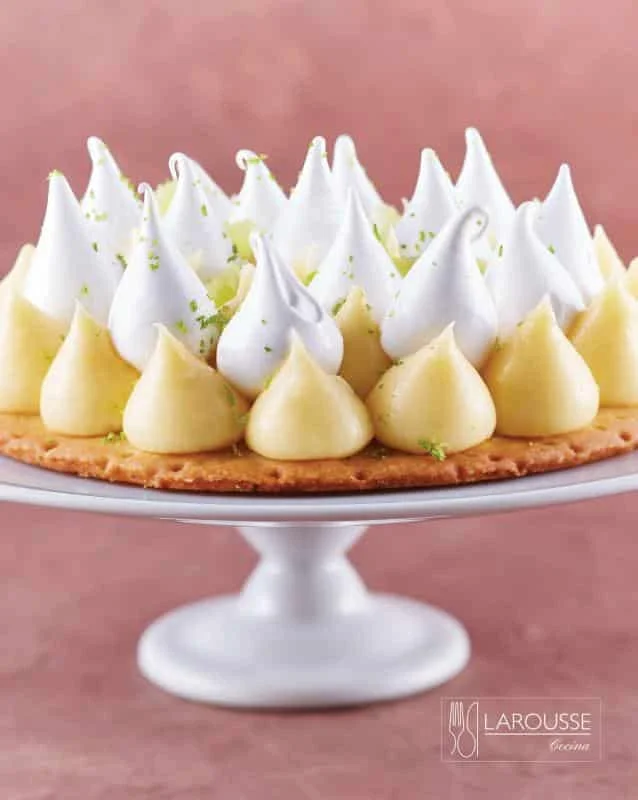
These lemon pies pair crisp, buttery pastry bases with a smooth lemon filling and Swiss meringue. They make an elegant, bright-tasting finish for a meal, with the components prepared separately before assembly.
Ingredients
- 240 gsieved plain flour
- 6 ggranulated sucralose
- 1 pinchsalt
- 150 gbutter, cubed and at room temperature
- 40 gegg yolks
- 5 mlvanilla extract
- 35 gpowdered gelatine
- 160 mlwater
- 150 gegg
- 12 ggranulated sucralose
- 120 mllemon juice
- zest of 1lemon
- 180 gbutter, cubed and at room temperature
- 150 gegg whites
- 25 ggranulated sucralose
- 2.5 ml (½ teaspoon)cream of tartar
- to tastelemon zest
Instructions
- 1
Make the pastry
Mix the flour, 6 g sucralose and salt in a large bowl. Work in the butter with your hands until the mixture looks sandy, then add the egg yolks and vanilla. Knead just until the dough comes together evenly; do not overwork it.
- 2
Chill the dough
Shape the dough into a ball, wrap it in cling film and refrigerate for 30 minutes.
- 3
Prepare the oven
Preheat the oven to 170 °C. Line a baking tray with baking parchment.
- 4
Bake the bases
Lightly flour the work surface and roll out the dough to ½ cm thick. Cut out discs with a circular cutter and arrange them on the tray. Prick the discs with a fork and bake for 12 minutes. Remove from the oven and leave to cool.
- 5
Bloom the gelatine
Stir the gelatine into the water in a small bowl and leave it to stand for 5 minutes. Melt it in the microwave.
- 6
Whisk the eggs
Set a copper pan or saucepan over a medium heat. Add the eggs and 12 g sucralose, then whisk until the mixture is pale, fluffy and increased in volume.
- 7
Add the lemon
Stir in the lemon juice, lemon zest and hydrated gelatine, mixing until the gelatine has dissolved.
- 8
Finish the filling
Take the pan off the heat. Gradually add the butter, whisking constantly until the mixture is smooth and even. Transfer the lemon cream to a piping bag fitted with a nozzle and leave it to cool.
- 9
Make the meringue
Put the egg whites in a bowl and set it over a saucepan of boiling water, using a bain-marie. Whisk until the whites are foamy and have doubled in volume. Add the remaining 25 g sucralose and the cream of tartar, then continue whisking until the meringue is firm.
- 10
Fill a piping bag
Transfer the Swiss meringue to the remaining piping bag.
- 11
Assemble the pies
Set the pastry bases on a flat surface. Pipe small peaks of lemon cream over each base, placing a peak of Swiss meringue between them. Finish with lemon zest.
What are lemon pies?
These individual lemon pies combine a short pastry base with a tangy lemon filling and Swiss meringue. Lemon-filled pastries have many regional versions; this one brings together a crisp base and piped toppings for a neat, decorative finish.
Separate preparation of the pastry, filling and meringue gives each component its own texture. Sucralose sweetens the dough, lemon cream and meringue without using granulated sugar.
Nutrition and macros by portion
The nutrition label shows one serving as written: 630 calories, 12g protein, 31g carbs, 47g fat.
| Portion | Adjustment | kcal | Protein | Carbs | Fat |
|---|---|---|---|---|---|
| Lighter | Smaller pastry base | 441 kcal | 8g | 22g | 33g |
| This serving | As written | 630 kcal | 12g | 31g | 47g |
| Hungry | Add an extra pie | 945 kcal | 18g | 47g | 71g |
The flour supplies most of the carbohydrates, while the butter is the main source of fat. Eggs and gelatine contribute protein, with additional fat from the egg yolks and eggs. Serve a pie with fresh fruit to add another element to the plate.
The pastry base
Butter: work it into the flour until the mixture resembles coarse crumbs, then add the yolks and vanilla. Stop kneading as soon as the dough becomes uniform so the bases stay tender.
Rolling: aim for an even ½ cm thickness and cut the discs cleanly. Pricking them with a fork helps keep them flat as they bake.
Building the lemon filling
Gelatine: let it stand in the water for 5 minutes before melting it, so it can hydrate evenly. Mix it into the egg and lemon mixture until no gelatine remains visible.
Butter: add it gradually after taking the pan off the heat, whisking continuously. Room-temperature cubes are easier to incorporate into a smooth filling.
Whisking the Swiss meringue
Bain-marie: whisk the egg whites over the boiling water until foamy and doubled in volume, then add the sucralose and cream of tartar. Keep the bowl over the water while whisking as directed.
Firm peaks: the finished meringue should hold its shape when lifted with the whisk. Transfer it to its piping bag once it is firm.
Bake and cool the bases
Oven: bake the pastry discs at 170 °C for 12 minutes. Remove them from the tray and let them cool before adding the filling.
Timing: the listed total time is 85 minutes, including the 30-minute dough rest. Cooling the bases and lemon cream before assembly helps keep the piped layers distinct.
Pipe and serve
Assembly: pipe small peaks of lemon cream onto each base, then add a meringue peak between them. A final sprinkle of lemon zest brings a fresh citrus aroma.
Serving: offer the pies after a meal, perhaps with fresh berries or a small bowl of fruit alongside. Keep accompaniments simple so the lemon remains the main flavour.
Recipe notes & tips
- Use room-temperature butter so it blends more readily into the dough and filling.
- Avoid kneading the pastry for longer than needed once it has come together.
- Roll the dough evenly so the discs bake at a similar rate.
- Make sure the pastry bases are cool before piping on the lemon cream.
- Whisk the filling as you add the butter to help it turn smooth.
- Pipe the two toppings close together but keep their peaks distinct.
Variations
- Extra citrus: add more lemon zest to the filling for a stronger lemon aroma.
- Lime version: replace the lemon juice and zest with lime.
- Orange twist: use some orange zest alongside the lemon zest.
- Berry topping: serve the pies with a few fresh berries.
- Plain finish: leave off the final zest if you prefer a simpler decoration.
Common mistakes to avoid
- Overworking the dough: it can become tough; knead only until evenly combined.
- Uneven pastry: discs of different thickness may bake inconsistently; roll the dough to an even ½ cm.
- Skipping the gelatine rest: it may not hydrate properly; leave it in the water for 5 minutes.
- Adding butter too quickly: the filling may not turn smooth; incorporate the cubes gradually while whisking.
- Filling warm bases: the toppings may lose their definition; let the pastry cool before assembly.
- Soft meringue: it may not hold its piped shape; continue whisking until firm.
How to store
Refrigerate the assembled pies in an airtight container and eat within 2 days. Keep them chilled because the filling and meringue contain eggs and butter; serve cold.
Frequently asked questions
Can I make the pastry ahead?
Yes. Wrap the dough and refrigerate it for up to 2 days, then roll and bake as directed.
Can I make the components ahead of time?
You can bake the bases ahead and keep them in an airtight container once cool. For the neatest finish, assemble the pies closer to serving.
Why does the dough need to chill?
The 30-minute rest firms the dough, making it easier to roll and cut into discs.
How do I know when the meringue is ready?
It should be firm enough to hold its shape when lifted with the whisk. The method also calls for the whites to double in volume before adding the sucralose and cream of tartar.
Can I use bottled lemon juice?
Freshly squeezed juice is suitable, and bottled juice can be used if needed. Keep the lemon zest in the recipe for its aromatic citrus flavour.
Do these pies need refrigeration?
Yes. Store the assembled pies in the fridge in an airtight container, and serve them chilled.
Cook it from the original
This recipe comes from laroussecocina.mx. Their page has the author’s own photos, notes and tips — the best place to cook it from.
Open the recipe on laroussecocina.mx