
Oven-roasted turkey with rosemary sauce
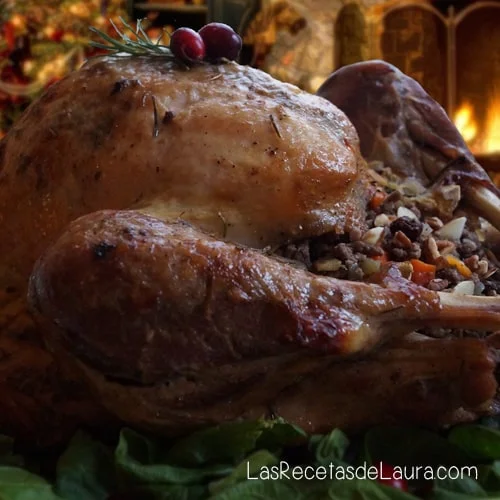
This whole roast turkey is marinated with fruit, grapefruit juice, garlic and rosemary, then briefly uncovered at the end for a little colour. It makes a festive centrepiece for a family meal or a gathering with friends.
Ingredients
- 1pear, chopped
- 1apple, chopped
- 480 ml (2 cups)water
- 60 ml (¼ cup)rosemary, preferably fresh
- 8 clovesgarlic, chopped
- 30 ml (2 tbsp)salt
- 15 ml (1 tbsp)black pepper
- 15 ml (1 tbsp)fresh basil, chopped
- 1celery stalk, strings removed
- 1onion, chopped
- 1grapefruit, juiced
- 1 turkey, 3 kg or moreturkey
Instructions
- 1
Thaw the turkey
Two days before cooking, thaw the turkey in the refrigerator. Remove the neck, tail, excess skin and giblets.
- 2
Blend the marinade
Put the celery, grapefruit juice, 480 ml water, half the garlic, half the basil, half the rosemary, the apple, pear and half the onion in a blender or food processor. Blend as thoroughly as possible.
- 3
Arrange the turkey
If the turkey is not already tied, tie it with kitchen string. Place it in an oven bag or a large rimmed roasting tin. If using an oven bag, add a little flour so the turkey does not stick.
- 4
Add the marinade
Carefully lift the turkey skin with a spoon or flat spatula without tearing it, so you can spread some sauce underneath. Pour the remaining sauce over the turkey, coating the areas where you will put the stuffing and the folds and creases.
- 5
Marinate overnight
Add the remaining apple, pear, onion, rosemary, basil and garlic to the bag. Put the turkey in and seal it well. Refrigerate to marinate, preferably overnight, turning it regularly so the marinade coats it evenly.
- 6
Roast the turkey
On the day of cooking, make holes in the oven bag so steam can escape, then season the turkey with salt and pepper. Roast at 162°C (325°F); cooking time depends on the turkey's size. As a guide, a 2.7–3.6 kg (6–8 lb) turkey takes 2½–3½ hours, or allow approximately 45–60 minutes per kilogram.
- 7
Brown briefly
When the turkey is cooked, take it out of the oven and baste it again. Remove the bag and return the turkey to the oven for 5 minutes to brown slightly.
- 8
Finish serving
Take the turkey out of the oven; it is ready to serve.
What is rosemary roast turkey?
Roast turkey is a familiar celebratory centrepiece in many cuisines, and this version pairs it with rosemary, garlic and a fruit-based marinade. The recipe describes it as having an Italian touch, with fresh basil and rosemary adding fragrant, savoury notes.
Pear, apple and grapefruit juice bring sweetness and sharpness to the marinade. Blending some of the ingredients and reserving the rest for the oven bag gives the turkey both a coating and aromatic pieces around it.
Nutrition and macros by portion
The nutrition label shows one serving as written: 300 calories, 35g protein, 8g carbs, 14g fat.
| Portion | Adjustment | kcal | Protein | Carbs | Fat |
|---|---|---|---|---|---|
| Lighter | Trim skin before serving | 210 kcal | 25g | 6g | 10g |
| This serving | As written | 300 kcal | 35g | 8g | 14g |
| Hungry | Serve a larger slice | 450 kcal | 53g | 12g | 21g |
Turkey supplies most of the protein and much of the fat, while the apple, pear and onion contribute most of the carbohydrates. The added salt is the main source of sodium. Pair a serving with plenty of vegetables and a moderate portion of potatoes to make a balanced plate.
The fruit and herb marinade
Blending the celery, fruit, grapefruit juice, water and part of the herbs and aromatics makes a loose marinade that can be spread over the bird. Fresh rosemary is preferred in the recipe; chop it finely so it distributes more evenly.
Reserve the stated halves of the garlic, basil, rosemary and onion for later. The remaining pieces go into the bag with the turkey, rather than into the blender.
Getting the marinade under the skin
Loosening the skin gently creates space for the sauce to reach the meat beneath it. Use a spoon or flat spatula and work slowly to avoid tearing the skin.
Spread the remaining blended sauce over the outside and into the folds. This is a fiddly step, but coating the creases helps the marinade reach more of the bird.
Marinating safely
Keep the turkey in the refrigerator while it marinates, preferably overnight as the recipe suggests. Seal the bag securely and turn it from time to time so the liquid moves around the bird.
Keep raw turkey and its marinade separate from ready-to-eat food, and wash hands and surfaces after handling. Do not use uncooked marinade as a serving sauce.
Roasting and checking doneness
The recipe sets the oven to 162°C and gives a broad guide of 45–60 minutes per kilogram, as well as an example time for a 2.7–3.6 kg bird. Actual timing varies with the turkey, oven and whether it is stuffed, so treat the timings as estimates.
Use a food thermometer to check that the thickest parts of the breast and thigh have reached a safe internal temperature of 74°C, without touching bone. If the turkey needs more time, continue roasting and check again.
The final uncovered minutes
Basting once more after roasting helps coat the surface before the bag is removed. The final 5 minutes uncovered are intended to give the skin a little colour.
Watch closely during this short finishing stage, as the surface can darken quickly. Let the turkey rest before carving so it is easier to portion.
What to serve alongside
Serve slices of turkey with roasted or boiled potatoes and a green vegetable, such as green beans or Brussels sprouts. Their savoury flavours complement the fruit and herbs in the marinade.
A simple salad can add freshness to a festive plate. Spoon any cooked juices over the meat only after they have been handled and heated safely.
Recipe notes & tips
- Allow enough refrigerator time for the turkey to thaw fully before preparing it.
- Use fresh rosemary if available, as the recipe recommends.
- Loosen the skin gently with a spoon to avoid tearing it.
- Turn the turkey in the marinade periodically so it is coated on all sides.
- Make the steam holes in the oven bag before putting it in the oven.
- Check the thickest parts of the turkey with a food thermometer rather than relying on time alone.
Variations
- Citrus swap: Use orange juice in place of grapefruit juice for a gentler citrus flavour.
- Herb change: Replace some of the basil with fresh thyme while keeping the rosemary.
- More garlic: Add extra chopped garlic to the bag for a stronger savoury aroma.
- Extra fruit: Put additional chopped pear or apple around the turkey in the roasting bag.
- Pan-roasted finish: If not using an oven bag, roast the turkey in a deep roasting tin and baste it with the cooking juices.
Common mistakes to avoid
- Tearing the skin: Lift it slowly with a spoon or flat spatula rather than pulling sharply.
- Marinating at room temperature: Keep the turkey refrigerated throughout marinating.
- Forgetting to turn the bag: Rotate it periodically so the marinade coats the turkey more evenly.
- Sealing in all the steam: Make holes in the oven bag before roasting, as the method directs.
- Relying only on the clock: Check the thickest parts with a food thermometer because cooking time varies.
- Skipping the uncovered finish: Remove the bag and roast for the final 5 minutes to give the surface a chance to brown.
How to store
Refrigerate leftover turkey in a covered container within 2 hours of cooking and use within 3–4 days. Reheat portions until steaming hot throughout, or freeze them for longer storage.
Frequently asked questions
Can I prepare the turkey the night before?
Yes. The recipe recommends marinating it overnight in the refrigerator. Turn the sealed bag periodically so the marinade moves around the bird.
How long should I cook a 3 kg turkey?
The recipe gives an estimate of 45–60 minutes per kilogram at 162°C, but the actual time depends on the bird and oven. Check the thickest parts with a food thermometer and cook until they reach 74°C.
Do I need an oven bag?
No. The method also allows for a large roasting tin with a rim. If using an oven bag, make holes for steam to escape and add a little flour to help prevent sticking.
Can I use dried rosemary?
Yes, although the recipe prefers fresh rosemary. Dried rosemary has a more concentrated flavour, so use it sparingly if substituting.
Can I use the leftover marinade as gravy?
Do not serve marinade that has been in contact with raw turkey unless it is thoroughly cooked. For serving, use safely cooked pan juices or prepare a separate sauce.
Cook it from the original
This recipe comes from lasrecetasdelaura.com. Their page has the author’s own photos, notes and tips — the best place to cook it from.
Open the recipe on lasrecetasdelaura.com