
18 Best Napa Cabbage Recipes
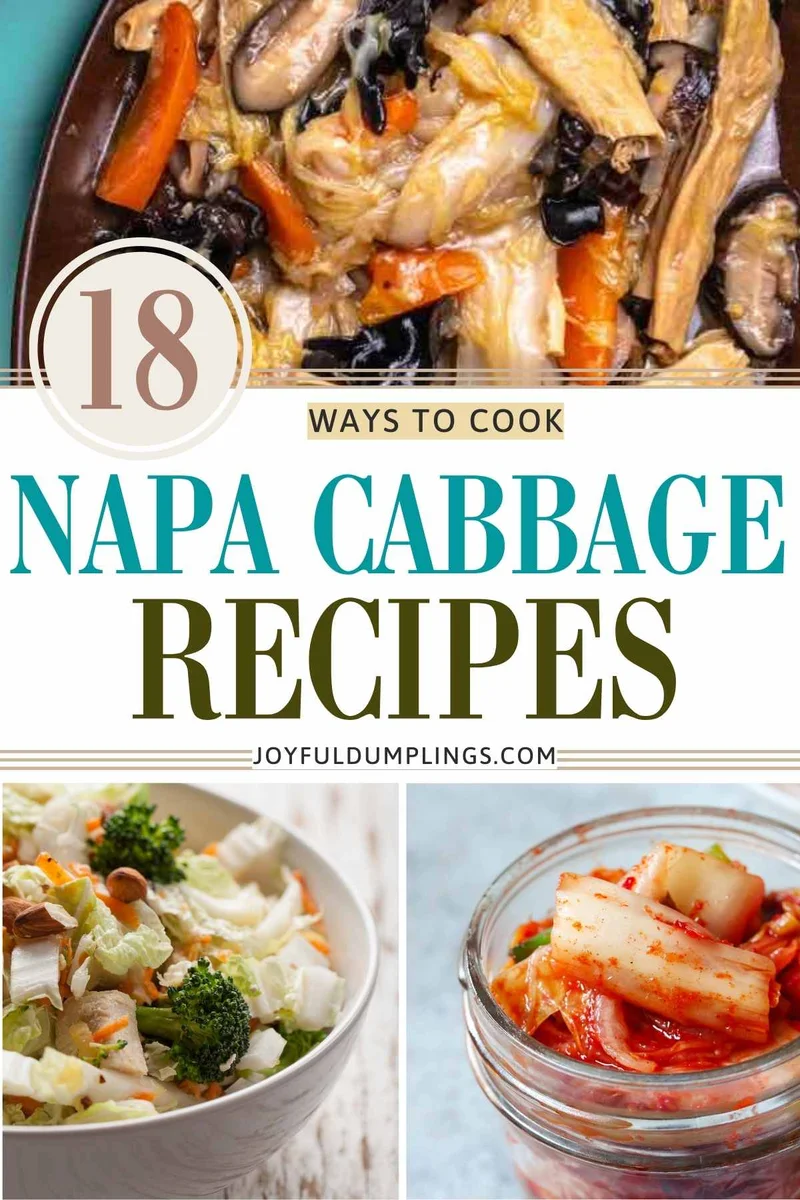
This collection brings together 18 ways to cook with Napa cabbage, from comforting soups and stews to crisp slaws and quick stir-fries. It’s a useful source of ideas for turning the mild, tender leaves and crunchy ribs into a range of meals and sides.
Ingredients
- Not providedTaiwanese cabbage stew
- Not providedNapa cabbage mushroom stir-fry
- Not providedVegan Napa cabbage rolls with tofu stuffing
- Not providedNapa cabbage stir-fry with salt and pepper tofu
- Not providedMiso soup with Napa cabbage and noodles
- Not providedNapa cabbage sticky rice rolls
- Not providedNapa cabbage chunk steaks
- Not providedRoasted Napa cabbage
- Not providedCucumber and Napa cabbage coleslaw
- Not providedVegan Asian Napa cabbage slaw
- Not providedNapa cabbage salad with sweet tamari-sesame dressing
- Not providedSpicy sautéed Napa cabbage
- Not providedAsian Napa cabbage salad
- Not providedKorean vegan kimchi
- Not providedNapa cabbage wraps
- Not providedPan-fried Napa cabbage
- Not providedRice noodle stir-fried Napa cabbage
- Not providedChinese-style cabbage soup
Instructions
- 1
Explore comforting dishes
Try Taiwanese-inspired stews, stir-fries and soups that use Napa cabbage for a tender, mild base.
- 2
Make plant-based dishes
Explore vegan cabbage rolls with tofu stuffing, salt and pepper tofu stir-fry, and vegan kimchi; use soy sauce or tamari for savoury depth.
- 3
Roast until tender
Cut Napa cabbage into steaks or wedges and roast until tender with lightly caramelised edges.
- 4
Toss fresh salads
Use raw Napa cabbage in salads and slaws, pairing it with Asian-inspired dressings such as sweet tamari-sesame or tangy lime.
- 5
Cook quick sides
Sauté or pan-fry Napa cabbage with garlic and chilli flakes shortly before serving.
What are Napa cabbage recipes?
Napa cabbage, also called Chinese cabbage, has crisp ribs and tender leaves with a mild flavour. It is used in many East Asian dishes, including soups, stir-fries and kimchi, and it also works well in salads and slaws.
This collection takes that versatile vegetable in several directions, from warming, broth-based dishes to crisp raw preparations. The contrast between the crunchy stems and soft leaves makes it suited to both quick cooking and longer, gentler simmering.
Choose a cooking style
Soups and stews: Add the cabbage to broths and simmer until the ribs soften while the leaves become tender. The collection includes Taiwanese-inspired and Chinese-style options, as well as miso soup with noodles.
Quick sides: Stir-frying, sautéing and pan-frying are suited to a fast meal. Keep the heat up and cook the cabbage briefly so it softens without losing all its bite.
Pair cabbage with flavour
Savoury partners: Tofu, mushrooms, miso, soy sauce and tamari are among the pairings suggested by these recipe ideas. They give the cabbage a deeper, savoury backdrop without overwhelming its mild taste.
Fresh accents: For salads and slaws, the suggested sweet tamari-sesame and tangy lime dressings bring contrasting flavours. Dress the cabbage close to serving time to keep it crisp.
Roast for browned edges
Cut size: The collection suggests roasting Napa cabbage as steaks or wedges. Keep the pieces substantial enough to hold together as they soften.
Doneness: Look for tender centres and lightly caramelised surfaces. Check the cabbage as it cooks, since smaller pieces may soften sooner than larger ones.
Keep the crunch in salads
Raw cabbage: Slice the leaves and ribs finely for coleslaw and salad, so the textures are easy to eat together. Cucumber is one suggested addition for a cool, crisp combination.
Dressing: Toss with the dressing just before serving when you want the cabbage to stay crisp. For a softer slaw, dress it earlier and let it stand briefly.
Plan the meal
A bowl of cabbage soup or miso soup with noodles can serve as a simple meal, while stir-fries and roasted cabbage can sit alongside rice or another grain. The collection also includes rice-based rolls and rice-noodle stir-fries.
For a mix of textures, pair a warm cabbage dish with a fresh slaw or salad. Keep sauces and dressings nearby so diners can adjust each serving to taste.
Recipe notes & tips
- Separate the leaves and ribs when a dish needs the leaves to soften faster than the thicker stems.
- Slice cabbage evenly so it cooks at a similar rate throughout.
- For a quick stir-fry, prepare the other ingredients before heating the pan.
- Keep salad dressing separate until close to serving if you want crisp cabbage.
- Check roasted cabbage regularly and use tenderness and browning as your cues.
- Taste soy sauce, tamari and miso-based dishes before adding extra salt.
Variations
- Add mushrooms: Include them in a stir-fry or soup for a savoury pairing.
- Use tofu: Try it in cabbage rolls or a salt and pepper stir-fry as suggested in the collection.
- Add noodles: Make the cabbage part of a more substantial soup or noodle stir-fry.
- Try lime: Use a tangy lime dressing for a brighter slaw or salad.
- Make it spicy: Add chilli flakes to sautéed cabbage shortly before serving.
- Serve roasted: Cut the cabbage into steaks or wedges and roast until tender and lightly browned.
Common mistakes to avoid
- Overcooking a stir-fry: the cabbage can turn limp; cook briefly and check the thicker ribs.
- Uneven slicing: pieces may finish at different times; cut them to a consistent size.
- Dressing salad too early: the cabbage loses some crunch; toss it shortly before serving.
- Cutting roasted pieces too small: they may soften quickly and be harder to handle; keep steaks or wedges substantial.
- Adding extra salt without tasting: soy sauce, tamari and miso can already be savoury; taste the dish first.
- Assuming all 18 ideas share one method: cooking times and ingredients vary; follow the instructions for the specific recipe you choose.
How to store
Storage time depends on the specific dish, and the supplied information does not give recipe-level storage guidance. As a general practice, refrigerate cooked leftovers promptly in a covered container and reheat thoroughly; keep dressed salads separate if possible and expect them to soften over time.
Frequently asked questions
Can I use the white ribs as well as the leaves?
Yes. The ribs are crisp and the leaves are tender, so both can be used. Slice the ribs finely if you want them to soften at a similar pace to the leaves.
Can I make these dishes vegan?
Several ideas are explicitly plant-based, including tofu-stuffed cabbage rolls and vegan kimchi. For other dishes, check the specific recipe for its broth, sauces and other ingredients.
How do I stop Napa cabbage going soggy in a stir-fry?
Use a hot pan, avoid crowding it and cook the cabbage briefly. The source does not provide detailed timings, so use tenderness and texture as your guide.
Can I use Napa cabbage raw?
Yes. The collection includes coleslaw and several salads using raw cabbage. Slice it finely and add the dressing shortly before serving for a crisp result.
How should I cut Napa cabbage for roasting?
The collection suggests steaks or wedges. Cut substantial pieces so they are easier to turn and can become tender while developing browned edges.
What can I serve with a cabbage dish?
Rice or noodles are natural options, and the collection also includes dishes that already combine cabbage with noodles or rice. A fresh slaw can provide a crisp contrast alongside a warm dish.
Cook it from the original
This recipe comes from joyfuldumplings.com. Their page has the author’s own photos, notes and tips — the best place to cook it from.
Open the recipe on joyfuldumplings.com