
The best soft yoghurt cake
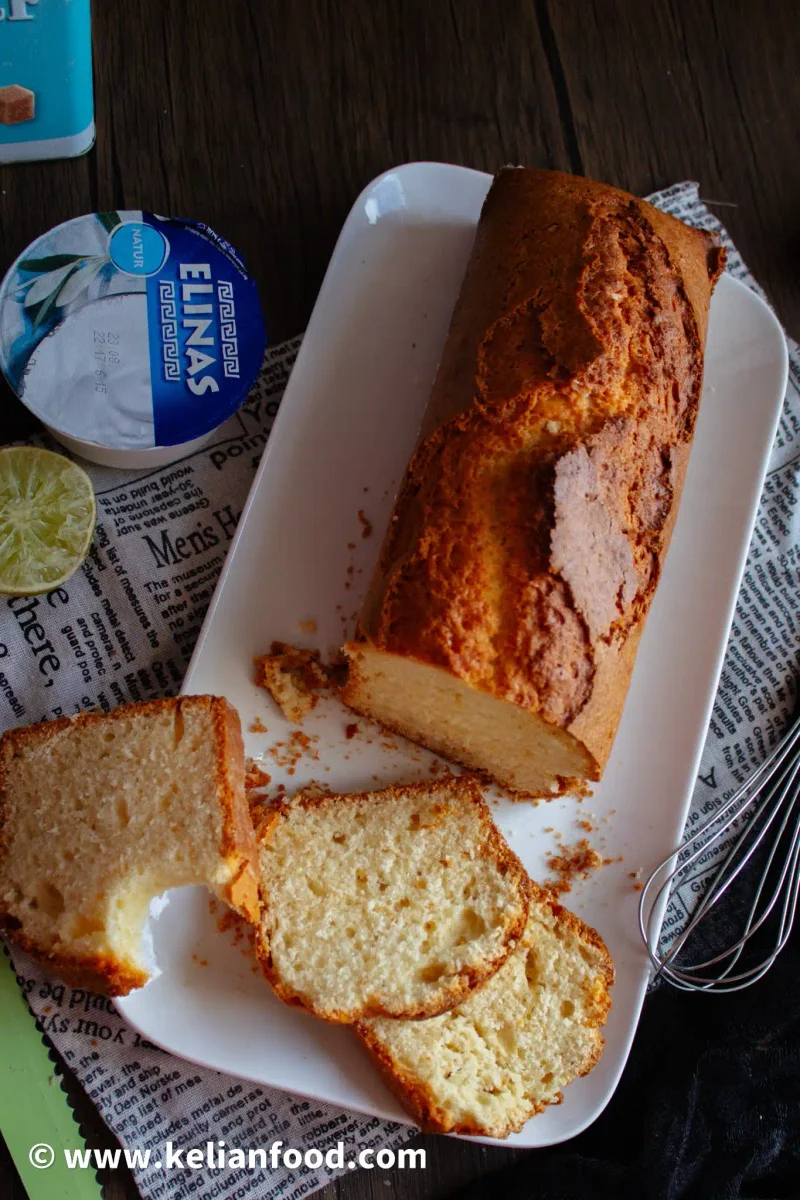
This soft yoghurt cake uses the yoghurt pot as a handy measure for a simple, tender batter. Serve it warm or cool with extra yoghurt or a cup of coffee.
Ingredients
- 1 potplain yoghurt
- ½–2 pots, to tastesugar
- 2 potsplain flour
- 3eggs
- ½ potoil
- a generous pinchsalt
- ½ teaspoonbaking powder
- 1 sachet or to tastevanilla sugar or vanilla flavouring
- zest of 1 smalllime
Instructions
- 1
Prepare the tin
Preheat the oven and butter your cake tin.
- 2
Mix eggs and sugar
Put the sugar, vanilla sugar and eggs in a bowl, then mix well.
- 3
Add yoghurt and oil
Add the oil, pour in the yoghurt and stir.
- 4
Make the batter
Add the flour a little at a time with the baking powder, mixing well until the batter is very smooth.
- 5
Add lime zest
Stir in the lime zest to flavour the cake.
- 6
Bake the cake
Pour the batter into the tin and bake at 180°C for about 40 minutes.
- 7
Cool briefly
Wait a few minutes before turning the cake out of the tin.
- 8
Serve the cake
Serve warm or cold with yoghurt or a cup of coffee.
What is yoghurt cake?
Yoghurt cake is a straightforward home-baking staple found in many French kitchens, often measured using the yoghurt pot rather than scales. This version combines yoghurt, oil and eggs for a soft crumb, with vanilla and lime zest for fragrance.
The method keeps things simple: mix the wet ingredients, add the dry ingredients gradually, then bake until set.
Nutrition and macros by portion
The nutrition label shows one serving as written: 430 calories, 8g protein, 56g carbs, 19g fat.
| Portion | Adjustment | kcal | Protein | Carbs | Fat |
|---|---|---|---|---|---|
| Lighter | Use less sugar | 301 kcal | 6g | 39g | 13g |
| This serving | As written | 430 kcal | 8g | 56g | 19g |
| Hungry | Serve a larger slice | 645 kcal | 12g | 84g | 29g |
The flour and sugar provide most of the carbohydrates, while the oil contributes much of the fat. Eggs and yoghurt supply some protein; serve a slice with extra yoghurt or fruit for a more balanced plate.
The pot-measure method
Yoghurt pot: use the empty pot as the measure for the sugar, flour and oil, as intended by the recipe. Pot sizes can vary, so keep using the same pot throughout.
Sugar: the recipe gives a range from half a pot to two pots, letting you choose how sweet you want the cake.
Building a smooth batter
Wet ingredients: mix the eggs with the sugar and vanilla first, then stir in the oil and yoghurt. This gives the batter a consistent base before the flour goes in.
Flour: add it gradually with the baking powder and mix until smooth. Stop once the flour is incorporated rather than continuing to beat the batter.
Flavour and texture
Vanilla: a sachet of vanilla sugar or vanilla flavouring gives the cake a familiar, sweet aroma. The recipe does not specify an amount for flavouring, so add it to taste.
Lime: finely grate the zest of a small lime and stir it through at the end. Avoid grating into the bitter white pith beneath the skin.
Checking when it is baked
Oven: bake at 180°C for about 40 minutes, as directed. Ovens and tins differ, so begin checking near the end of the stated time.
Doneness: the cake should look set and lightly coloured. If a skewer inserted into the centre comes out without wet batter, it is ready to come out.
Serving the cake
Warm or cool: leave the cake in the tin for a few minutes before turning it out, so it has a little time to firm up. It can be served warm or once fully cooled.
With a drink: serve it with yoghurt for a simple accompaniment, or alongside coffee as an easy afternoon treat.
Recipe notes & tips
- Use the same yoghurt pot to measure all the pot-based ingredients.
- Choose a sugar amount within the recipe’s range to suit your taste.
- Add the flour gradually to make it easier to mix the batter smoothly.
- Grate only the coloured outer skin of the lime for a fresh citrus note.
- Let the cake rest in its tin for a few minutes before turning it out.
Variations
- Lemon zest: use lemon zest instead of lime for a softer citrus flavour.
- Orange zest: swap the lime for orange zest for a sweeter, fragrant note.
- Fruit topping: serve slices with fresh berries for a bright accompaniment.
- Extra vanilla: use vanilla flavouring in place of the vanilla sugar.
- Yoghurt on the side: add a spoonful of plain yoghurt when serving.
Common mistakes to avoid
- Changing measuring pots: using different pots can throw off the proportions; measure every pot-based ingredient with the same one.
- Adding flour all at once: this makes a smooth batter harder to achieve; add it gradually.
- Overmixing: beating for too long after adding flour can make the crumb less tender; stop when the batter is smooth.
- Grating into the pith: the white layer can taste bitter; zest only the coloured skin.
- Turning it out immediately: the warm cake may break; leave it in the tin for a few minutes first.
How to store
Once cool, keep the cake in an airtight container at room temperature and eat within 2–3 days. Warm individual slices briefly in the microwave if you would like to serve them warm.
Frequently asked questions
What size yoghurt pot should I use?
Use the pot from the yoghurt you are adding to the batter, and use that same pot for the flour, sugar and oil. The recipe does not give a specific pot volume.
How much sugar should I add?
The recipe allows from half a pot to two pots, depending on your preference. Use less for a mildly sweet cake or more for a sweeter one.
How can I tell when the cake is done?
Bake for about 40 minutes at 180°C and check that the centre is set. A skewer inserted into the middle should come out without wet batter.
Can I use vanilla flavouring instead of vanilla sugar?
Yes. The ingredient list gives vanilla sugar or vanilla flavouring as alternatives; add the flavouring to taste.
Can I serve it cold?
Yes. The recipe suggests serving it either warm or cold, with yoghurt or a cup of coffee.
Cook it from the original
This recipe comes from kelianfood.com. Their page has the author’s own photos, notes and tips — the best place to cook it from.
Open the recipe on kelianfood.com