
Pad Pak (Thai Stir Fry Vegetables)
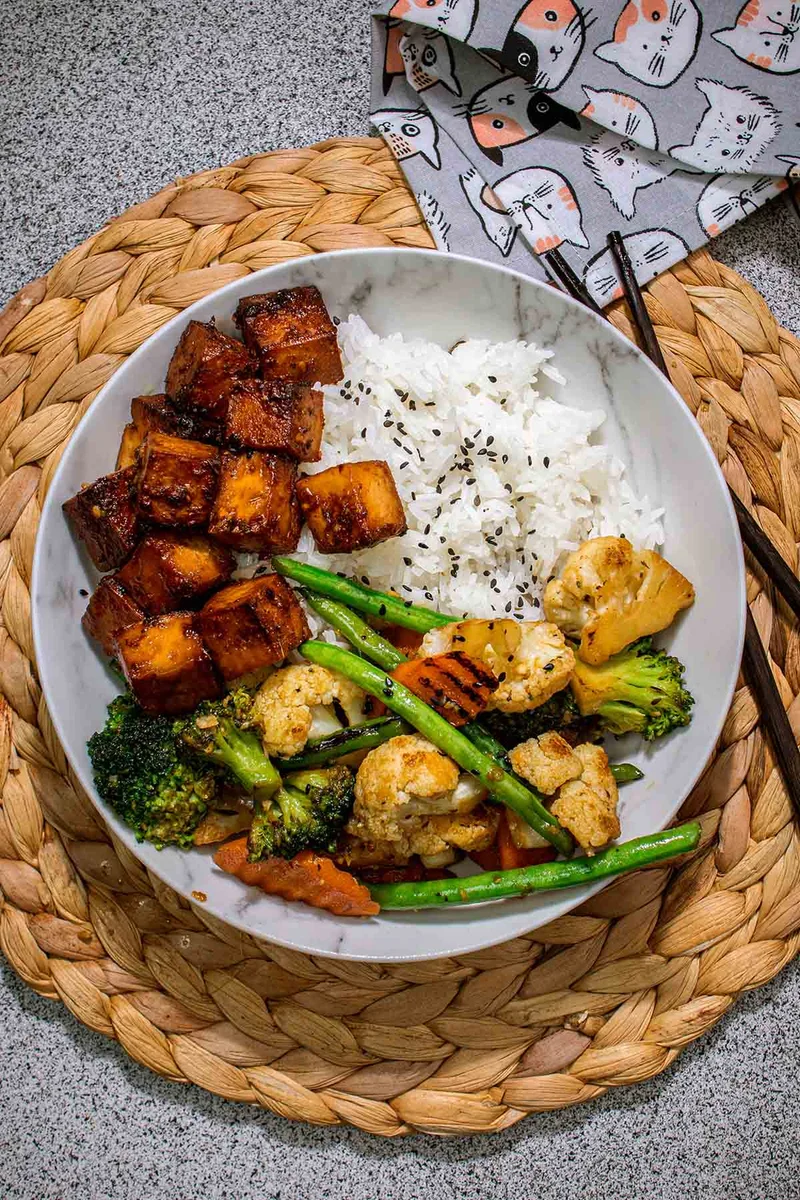
Pad Pak is a Thai-style stir-fry of crisp-tender vegetables coated in a savoury-sweet sauce. It is a quick way to bring cauliflower, broccoli, green beans and carrot together for a colourful meal with rice or noodles.
Ingredients
- 300 g (10 oz)cauliflower florets
- 100 g (4 oz)broccoli florets
- 100 g (4 oz)green beans
- 1carrot, thinly sliced
- 1 tbspminced garlic
- 2 tbsplight soy sauce
- 2 tbspkecap manis (sweet soy sauce)
- 1 tbsprice vinegar
- 1 tbspcoconut sugar
- 60 ml (¼ cup)vegetable stock
- 1 tbsp at a timewater
Instructions
- 1
Prepare the vegetables
Cut the cauliflower, broccoli and carrot into similar-sized pieces. Trim the ends from the green beans.
- 2
Mix the sauce
Combine all the sauce ingredients and stir well.
- 3
Start the stir-fry
Heat cooking oil in a skillet or wok over high heat. Add the broccoli, cauliflower and carrot, then sauté for 3–4 minutes until lightly charred. Add water 1 tablespoon at a time until the vegetables are partly cooked.
- 4
Finish and serve
Add the green beans and cook for about 3–4 minutes, stirring constantly, until slightly soft. Pour in the stir-fry sauce and toss to coat. Remove from the heat, taste and adjust the seasoning if needed, then serve with rice or noodles.
What is Pad Pak?
Pad Pak is a Thai-style vegetable stir-fry; pad means stir-fried, while pak refers to vegetables. It is a flexible dish built around quickly cooked vegetables and a savoury sauce.
This version pairs cauliflower, broccoli, green beans and carrot with soy sauces, vinegar and a little coconut sugar. Cooking the vegetables in stages helps them finish together while keeping some bite.
Nutrition and macros by portion
The nutrition label shows one serving as written: 185 calories, 8g protein, 40g carbs, 1g fat.
| Portion | Adjustment | kcal | Protein | Carbs | Fat |
|---|---|---|---|---|---|
| Lighter | Extra vegetables, less sauce | 130 kcal | 6g | 28g | 1g |
| This serving | As written | 185 kcal | 8g | 40g | 1g |
| Hungry | Add rice or noodles | 278 kcal | 12g | 60g | 2g |
The carbohydrates come mainly from the vegetables, coconut sugar and kecap manis; the soy sauces and vegetables contribute some protein, while the listed ingredients are very low in fat. Serve with a measured portion of rice or noodles, or add a protein-rich side if you want a more substantial plate.
Prepare evenly sized vegetables
Cauliflower and broccoli: cut the florets into similar-sized pieces so they cook at roughly the same pace. Thinly slice the carrot, which takes longer to soften when left in larger pieces.
Green beans: trim the ends and keep them separate until later in the cooking. They need less time in the pan than the cauliflower and broccoli.
Build the sweet-savoury sauce
Soy sauces: light soy sauce brings a salty, savoury note, while kecap manis adds sweetness and a thicker texture. Stir them together with the stock, rice vinegar, coconut sugar and garlic before heating the pan.
Taste at the end: the soy sauces contribute salt, and kecap manis varies in sweetness between brands. Check the finished stir-fry before adding any extra seasoning.
Cook in stages
First batch: add the broccoli, cauliflower and carrot to a hot skillet or wok and sauté for 3–4 minutes to develop a little colour. Add water a tablespoon at a time to help the vegetables cook through without losing all their firmness.
Finish: add the green beans and stir constantly for about 3–4 minutes, then toss everything with the sauce. Take the pan off the heat once the beans are slightly soft.
Look for crisp-tender texture
The vegetables should be cooked but still have some resistance when bitten; the recipe does not call for them to become completely soft. Use the stated cooking times as a guide and check the thicker pieces before adding the sauce.
A hot pan helps the vegetables colour rather than simply soften. If your pan is crowded, stir regularly and allow a little more time for the vegetables to cook.
Serve it as a meal
Rice: serve the stir-fry with steamed rice to make a simple, filling plate. Noodles are another serving option suggested for this dish.
For a balanced plate, pair a portion with rice or noodles and keep the vegetables as the main feature. Serve promptly so they retain their lively texture.
Recipe notes & tips
- Have the vegetables chopped and the sauce mixed before heating the pan, as the cooking moves quickly.
- Use a wide skillet or wok to give the vegetables room to colour.
- Add water a tablespoon at a time so the vegetables do not become waterlogged.
- Keep stirring after adding the green beans to cook them evenly.
- Taste the finished dish before adjusting the seasoning because the soy sauces are already savoury.
Variations
- Use other vegetables: Swap in similarly sized vegetables that cook in a comparable time.
- Adjust the sweetness: Reduce the coconut sugar slightly for a less sweet sauce.
- Add chilli: Stir in chilli to give the vegetables some heat.
- Serve with noodles: Toss the finished vegetables with cooked noodles for a more substantial meal.
- Add protein: Serve with tofu or another cooked protein alongside the stir-fry.
Common mistakes to avoid
- Uneven pieces: Large florets and thick carrot pieces cook at different speeds; cut them to similar sizes.
- Adding everything at once: The green beans need less time; add them after the first vegetables have started cooking.
- Too much water: Excess water can soften the vegetables without browning them; add it one tablespoon at a time.
- Overcooking the beans: They can lose their bite if left too long; stop when they are slightly soft.
- Seasoning too early: Soy sauces vary in saltiness; taste after tossing with the sauce before adding more.
How to store
Cool leftovers promptly and store in an airtight container in the fridge for up to 3 days. Reheat in a pan over medium heat, stirring until piping hot; the vegetables may soften further.
Frequently asked questions
Can I make Pad Pak ahead of time?
You can prepare the vegetables and mix the sauce ahead, then store them separately in the fridge. Stir-fry shortly before serving for the best texture.
Can I use frozen vegetables?
Fresh vegetables are most likely to retain a crisp-tender bite. If using frozen vegetables, thaw and drain them first, and expect them to soften more quickly.
What can I serve with Pad Pak?
Serve it with rice or noodles, as suggested in the recipe. It also works as a vegetable side alongside a cooked protein.
How do I keep the vegetables from going soggy?
Use a hot, spacious pan and avoid adding too much water. Cook in stages and stop when the vegetables are just tender.
Is kecap manis the same as light soy sauce?
No. Kecap manis is a sweet, thicker soy sauce, while light soy sauce is thinner and more savoury. The recipe uses both for different flavours.
How can I adjust the sauce if it tastes too sweet?
Use a little less coconut sugar next time, and check the balance of the sauce before serving. The rice vinegar provides a contrasting tang.
Cook it from the original
This recipe comes from joyfuldumplings.com. Their page has the author’s own photos, notes and tips — the best place to cook it from.
Open the recipe on joyfuldumplings.com