
Chicken Pie Recipe (Chicken Hand Pies)
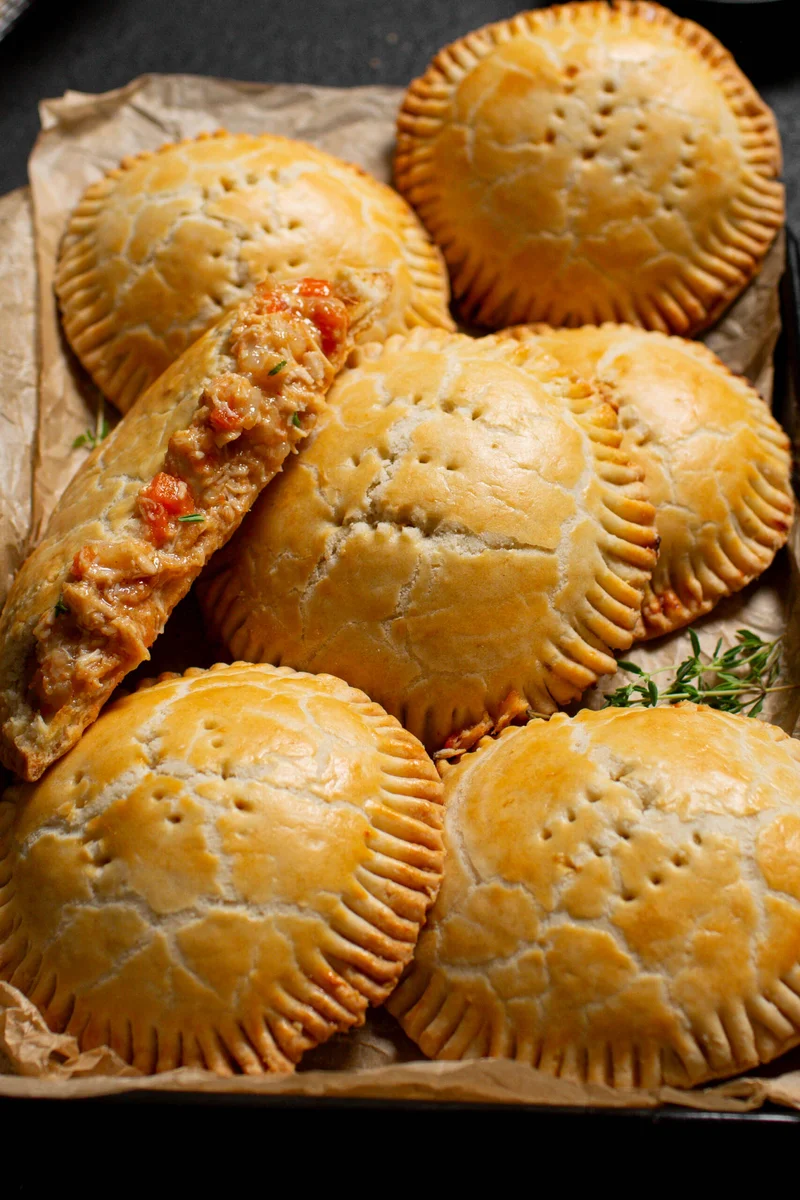
These African-style chicken hand pies pair flaky, buttery pastry with a savoury filling of shredded chicken, potato, carrot and warming spices. They make a satisfying snack or meal, and the filling can be prepared ahead to make assembly easier.
Ingredients
- 500 g (about 4 cups)plain flour
- 250 g (2 sticks + 2 tbsp)cold unsalted butter
- 8 g (1½ tsp)salt
- 140 ml or g (½ cup + 2 tbsp)cold water
- 500 g (about 2 medium pieces)chicken breast
- ½ smallonion, chopped
- 1chicken stock cube, or 1 tsp crushed chicken seasoning
- ½ tspgarlic powder
- ½ tspsalt
- 240 ml (1 cup)water
- 30 ml (2 tbsp)oil
- ½onion, finely chopped
- 1 clovegarlic, minced
- ½ tspginger, minced
- As neededshredded chicken
- 1 largecarrot, diced
- 1 large or 2 mediumrusset potatoes, diced
- ¼ tspsalt
- ¼ tspchicken seasoning
- ½ tspsmoked paprika
- ½ tspcayenne pepper
- 280 g (about 1 cup)chicken stock
- 60 g (about ¼ cup)water
- About 12 g (1½ tbsp), mixed with 45 ml (3 tbsp) watercornflour or plain flour
- 1egg, beaten, for the egg wash
- About 16 g (2 tbsp)plain flour, for dusting
Instructions
- 1
Mix the flour
For the dough, combine the flour and salt in a bowl.
- 2
Rub in butter
Cut the cold butter into cubes and rub it into the flour until the mixture is crumbly, like wet sand.
- 3
Add the water
Make a well in the middle and add the cold water gradually, stopping when the dough just comes together.
- 4
Shape the dough
Gently press the dough into a ball without kneading it much. It can still look a little rough.
- 5
Chill the dough
Wrap the dough in cling film or place it in a zip-lock bag, then refrigerate for 20 minutes.
- 6
Prepare the chicken
For the filling, cut the chicken breast into large chunks. Put it in a pot with the chopped onion, stock cube, garlic powder, salt and 240 ml water.
- 7
Cook the chicken
Boil for 10–15 minutes, until the chicken is cooked through.
- 8
Save the broth
Lift out the chicken and keep the broth for the filling.
- 9
Shred the chicken
Shred the chicken by hand, with forks or in a food processor.
- 10
Dice the vegetables
Dice the potatoes and carrots. Keep the potatoes in water to stop them discolouring.
- 11
Sauté the aromatics
Heat the oil in a pan and sauté the finely chopped onion, garlic and ginger for 1–2 minutes, until fragrant.
- 12
Add filling ingredients
Add the shredded chicken, diced carrots and potatoes to the pan.
- 13
Season the filling
Add the salt, chicken seasoning, smoked paprika and cayenne pepper.
- 14
Soften the vegetables
Pour in the saved chicken broth and the extra 60 g water. Cover and cook for about 10 minutes, just until the vegetables soften.
- 15
Make the slurry
Stir the cornflour with 45 ml water to make a slurry. Use plain flour instead if you do not have cornflour.
- 16
Thicken the filling
Stir the slurry into the pan straight away and cook, mixing, until the filling thickens.
- 17
Cool the filling
Take the pan off the heat and let the filling cool completely before assembling the pies. Refrigerate or freeze it to cool it faster.
- 18
Roll the dough
Roll out the chilled dough on a floured surface. If it feels very firm, leave it to sit for a few minutes first.
- 19
Cut the pastry
Cut the rolled dough into circles or another shape you prefer.
- 20
Fill the pastry
Put a spoonful of filling in the centre of each piece, taking care not to overfill.
- 21
Brush the edges
Brush the pastry edges with beaten egg to help them stick together.
- 22
Seal the pies
Place a second piece of pastry over each filled piece and press the edges together with a fork.
- 23
Arrange on tray
Place the pies on a lined baking tray.
- 24
Glaze the tops
Brush the tops with more beaten egg for a golden, glossy finish.
- 25
Vent the pastry
After glazing, make a couple of small holes in each pie with a fork so steam can escape.
- 26
Bake until golden
Bake on the middle rack at 185°C for 30–40 minutes, or until golden brown.
- 27
Cool before serving
Let the pies cool slightly before serving.
What are chicken hand pies?
Chicken hand pies are individual pastries filled with seasoned chicken and vegetables, made to be held and eaten without cutlery. They fit a wider tradition of savoury filled pastries found across African cuisines, with fillings and pastry styles varying from place to place.
This version uses a buttery, short pastry and a cooked filling with chicken, potato, carrot and gentle heat from cayenne. Cooking the filling before assembly helps the vegetables soften and lets you cool it before it meets the pastry.
Nutrition and macros by portion
The nutrition label shows one serving as written: 495 calories, 18g protein, 48g carbs, 26g fat.
| Portion | Adjustment | kcal | Protein | Carbs | Fat |
|---|---|---|---|---|---|
| Lighter | Smaller pies, less pastry | 347 kcal | 13g | 34g | 18g |
| This serving | As written | 495 kcal | 18g | 48g | 26g |
| Hungry | Serve an extra pie | 743 kcal | 27g | 72g | 39g |
The pastry’s flour supplies most of the carbohydrates, while butter and oil contribute much of the fat. Chicken provides the main protein, with additional carbohydrates from the potato and carrot; serve a pie with salad or extra vegetables for a more balanced plate.
A tender, flaky pastry
Cold butter: work it into the flour until the mixture resembles coarse, damp crumbs. Keeping the butter cold and handling the dough gently helps the pastry stay tender.
Cold water: add it a little at a time, just until the dough holds together. Too much mixing can make the pastry tougher, so a slightly rough-looking dough is fine.
Build flavour in the filling
Poached chicken: simmering the chicken with onion, stock cube, garlic powder and salt seasons the meat and creates broth for the vegetables. Keep that broth rather than discarding it.
Aromatics and spices: briefly cooking onion, garlic and ginger in oil releases their fragrance. Smoked paprika and cayenne then give the filling warmth and a smoky note.
Get the filling consistency right
Soft vegetables: cook the potato and carrot until they have softened, but avoid cooking them so long that they lose their shape. Keeping the diced potato in water while preparing the other ingredients helps prevent discolouration.
Thickened mixture: stir in the cornflour slurry promptly and cook until the filling is thick, not runny. Let it cool completely before filling the pastry, so it is easier to handle and less likely to make the dough soggy.
Shape and seal each pie
Even portions: use a modest spoonful of filling and leave a clear border around it. Overfilled pies are harder to close and more likely to open during baking.
Firm edges: brush the rim with beaten egg, cover with another pastry piece and press with a fork. The fork marks help seal the edges; small steam holes in the top let moisture escape.
Bake for colour and doneness
Middle rack: bake at 185°C for 30–40 minutes, until the pastry is golden brown. The stated time is a range, so use the colour of the pastry as the final cue.
Rest briefly: allow the pies to cool slightly after baking. The filling will be very hot straight from the oven, and a short rest makes them easier to eat.
Serving ideas
Fresh side: serve the pies with a crisp green salad or simply dressed vegetables to add freshness alongside the rich pastry.
For a more filling meal, pair them with extra vegetables or a light soup. They also work well as portable snacks once cooled.
Recipe notes & tips
- Measure the pastry ingredients by weight for more consistent results.
- Keep the butter and water cold while making the dough.
- Save the broth from cooking the chicken to use in the filling.
- Cool the filling completely before placing it on the pastry.
- Leave a clear border around each spoonful of filling for easier sealing.
- Glaze the pies before making the steam holes, as directed.
Variations
- Adjust the heat: reduce or omit the cayenne for a milder filling.
- Use chicken thighs: cook them through in the broth, then shred as directed.
- Add herbs: stir chopped fresh herbs into the cooled filling for an aromatic note.
- Change the vegetables: replace some of the potato or carrot with another diced vegetable that can soften in the cooking time.
- Make smaller pies: cut smaller pastry pieces and use less filling in each one.
Common mistakes to avoid
- Overworking the dough: stop mixing as soon as it comes together to keep the pastry tender.
- Adding all the water at once: pour it in gradually so the dough does not become too wet.
- Using hot filling: cool it fully before assembly to help prevent soggy pastry.
- Overfilling the pastry: use a modest spoonful and keep the edges clear so they can seal.
- Skipping the steam holes: prick the tops after glazing so steam can escape during baking.
- Opening the oven too early: let the pastry bake until golden before removing the tray.
How to store
Cool leftover pies and store them in an airtight container in the fridge for up to 3 days. Reheat in an oven until hot throughout; the pastry may soften if reheated in a microwave. The cooked filling can also be refrigerated or frozen to speed cooling before assembly, as described in the method.
Frequently asked questions
Can I make the filling ahead?
Yes. The method allows the filling to be refrigerated or frozen to cool it faster. Make sure it is completely cool before using it to fill the pastry.
Can I use plain flour instead of cornflour?
Yes. The recipe gives plain flour as an alternative thickener; mix it with water to make a slurry before adding it to the pan.
How do I know when the chicken is cooked?
Boil it for 10–15 minutes as directed and check that it is cooked through before removing it from the pot. The cooking time can vary with the size of the chunks.
Why does the potato need to sit in water?
The method recommends keeping the diced potato in water while you prepare the other ingredients to prevent it discolouring. Drain it before adding it to the pan.
Can I shape the pies differently?
Yes. Cut the dough into circles or any shape you prefer, then use a second piece of pastry to cover the filling and seal the edges.
How long do the pies bake?
Bake them at 185°C on the middle rack for 30–40 minutes, until golden brown. Let them cool slightly before serving.
Cook it from the original
This recipe comes from kikifoodies.com. Their page has the author’s own photos, notes and tips — the best place to cook it from.
Open the recipe on kikifoodies.com