
The Best Vetkoek Recipe
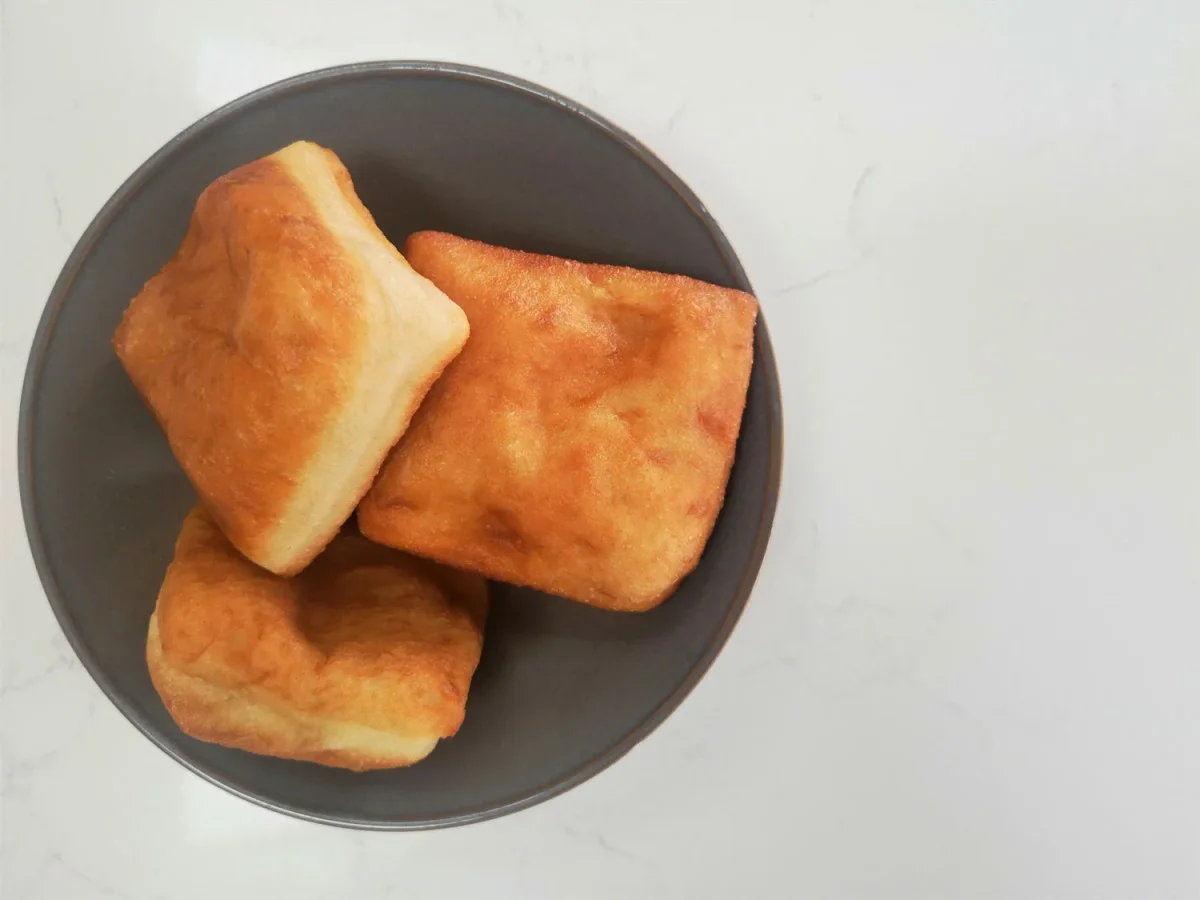
Vetkoek is a South African fried bread made from yeast dough, often split and filled once cooked. This version makes 24 soft, golden vetkoek from a simple dough enriched with butter.
Ingredients
- 12.50 mg (1 tbsp as stated in the source)active dried yeast
- 875 g (7 cups)cake flour
- 30 ml (2 tbsp)sugar
- 10 ml (2 tsp)salt
- 100 gsalted butter
- 500 mllukewarm water, with extra or less as needed for the dough
- As needed for deep-fryingoil
Instructions
- 1
Activate the yeast
Warm 250 ml of the measured water until warmer than lukewarm, but not boiling. Pour it into a bowl, stir in the yeast and 15 ml of the sugar, then leave in a sunny spot for about 15 minutes to activate.
- 2
Mix the dry ingredients
Sift the flour and salt into a bowl with the remaining 15 ml of sugar.
- 3
Rub in butter
Work the butter into the dry ingredients with your fingertips until the mixture looks crumbly.
- 4
Knead the dough
Add the yeast mixture and the remaining 250 ml lukewarm water. Knead by hand for at least 15–20 minutes, or use a mixer with a dough hook for at least 10 minutes, until smooth and elastic.
- 5
Let dough rise
Put the dough in an oiled bowl and cover it with cling film. Leave it somewhere warm until doubled in volume, about 45–60 minutes depending on the room temperature.
- 6
Shape and prove
Knead the dough again to knock out some air. Roll it out and divide it into equal portions, then flatten each into the desired shape. Leave them to prove for another 30–40 minutes.
- 7
Fry in batches
Heat oil for deep-frying. Test it with a small piece of dough: if it rises within 10 seconds, the oil should be ready. Fry the vetkoek in batches and serve.
What is vetkoek?
Vetkoek is a South African fried bread, traditionally made from a simple yeast dough and cooked until puffed and browned. Its name translates roughly as “fat cake”, referring to the frying method rather than a sweet cake.
This version uses butter in the dough for a tender crumb and makes individual pieces that can be served plain or opened and filled.
Nutrition and macros by portion
The nutrition label shows one serving as written: 164 calories, 0g protein, 0g carbs, 0g fat.
| Portion | Adjustment | kcal | Protein | Carbs | Fat |
|---|---|---|---|---|---|
| Lighter | Smaller vetkoek, lean filling | 115 kcal | 0g | 0g | 0g |
| This serving | As written | 164 kcal | 0g | 0g | 0g |
| Hungry | Larger portion | 246 kcal | 0g | 0g | 0g |
The dough’s carbohydrates mainly come from the flour, while the butter and frying oil contribute most of its fat; yeast provides little protein in this recipe. Pair a vetkoek with a protein-rich savoury filling and vegetables to round out the plate.
Getting the yeast started
Warm water: Use 250 ml of the measured water for the yeast mixture. It should feel warmer than lukewarm but must not be boiling, which can prevent the yeast from activating.
First rise: Give the mixture about 15 minutes in a sunny spot. It should show signs of activity before you add it to the flour.
Building a smooth dough
Butter: Rub it into the flour mixture until the texture is crumbly, with no large lumps of butter remaining.
Kneading: Work the dough until it becomes smooth and elastic. The stated times are a guide; the finished texture is the more useful cue.
Proofing and shaping
First rise: Keep the covered bowl in a warm place and wait for the dough to double, allowing around 45–60 minutes depending on the room.
Second proof: After dividing and flattening the portions, leave them for 30–40 minutes. This rest helps the shaped dough puff as it fries.
Judging the frying oil
Oil test: Drop in a small piece of dough; it should rise within 10 seconds when the oil is ready. This is the recipe’s doneness check for the frying temperature.
Batches: Fry a few pieces at a time rather than crowding the pan. The method does not specify an oil temperature or frying duration, so watch the dough and cook in manageable batches.
How to serve vetkoek
Fillings: Vetkoek is commonly served split and stuffed with a savoury filling, or enjoyed plain. Let the pieces cool enough to handle before opening them.
On the side: Serve with a fresh salad or vegetables alongside a savoury filling for a more balanced meal.
Recipe notes & tips
- Measure the water into two 250 ml portions before starting so the yeast mixture and dough water are easy to keep separate.
- Use the dough’s smooth, elastic feel as the cue that kneading is complete.
- Cover the dough well during both rises so its surface does not dry out.
- Divide the dough into equal pieces for more consistent frying.
- Test the oil with a small scrap of dough before cooking the first batch.
- Serve soon after frying for the best contrast between the browned outside and soft middle.
Variations
- Savoury filling: Split the cooked vetkoek and add a savoury mince filling.
- Cheese filling: Add grated cheese to a savoury filling while it is still warm.
- Sweet topping: Serve plain vetkoek with a sweet spread instead of stuffing it.
- Herb dough: Mix chopped fresh herbs into the flour for a savoury variation.
- Smaller pieces: Shape smaller portions for snack-size vetkoek and check the oil with each batch.
Common mistakes to avoid
- Water too hot: It can stop the yeast working; warm it without letting it boil.
- Rushing the first rise: Wait until the dough has doubled rather than relying only on the clock.
- Under-kneading: Keep working the dough until it is smooth and elastic.
- Skipping the second proof: Leave the shaped portions for the full 30–40 minutes.
- Crowding the pan: Fry in batches so the pieces have room to cook.
- Guessing the oil readiness: Use the small-dough-piece test and look for it to rise within 10 seconds.
How to store
Cool leftover vetkoek and store in an airtight container in the fridge for up to 2 days. Reheat in an oven until warmed through; the outside may be less crisp than when freshly fried.
Frequently asked questions
How do I know when the yeast is active?
After about 15 minutes, look for signs of activity in the yeast mixture. If it shows no activity, check that the yeast is in date and that the water was not too hot or too cold.
Can I knead the dough in a mixer?
Yes. Use a dough hook and knead for at least 10 minutes, until the dough is smooth and elastic.
Can I prepare the dough ahead?
The recipe gives timings for making and proofing the dough on the day. It does not specify an overnight rise, so follow the two rises in the method for the most predictable result.
How can I tell if the oil is ready?
Drop in a small piece of dough. If it rises within 10 seconds, the oil should be ready for frying.
What should I fill vetkoek with?
A savoury mince filling is a familiar choice, but you can use another savoury filling or serve the vetkoek plain. Add the filling after frying.
Why is my dough not doubling?
A cool room can slow the rise, and inactive yeast may not raise the dough properly. Leave it in a warm spot and allow the dough time to reach twice its original volume.
Cook it from the original
This recipe comes from justcookkai.com. Their page has the author’s own photos, notes and tips — the best place to cook it from.
Open the recipe on justcookkai.com