
Lemon Yoghurt Cake
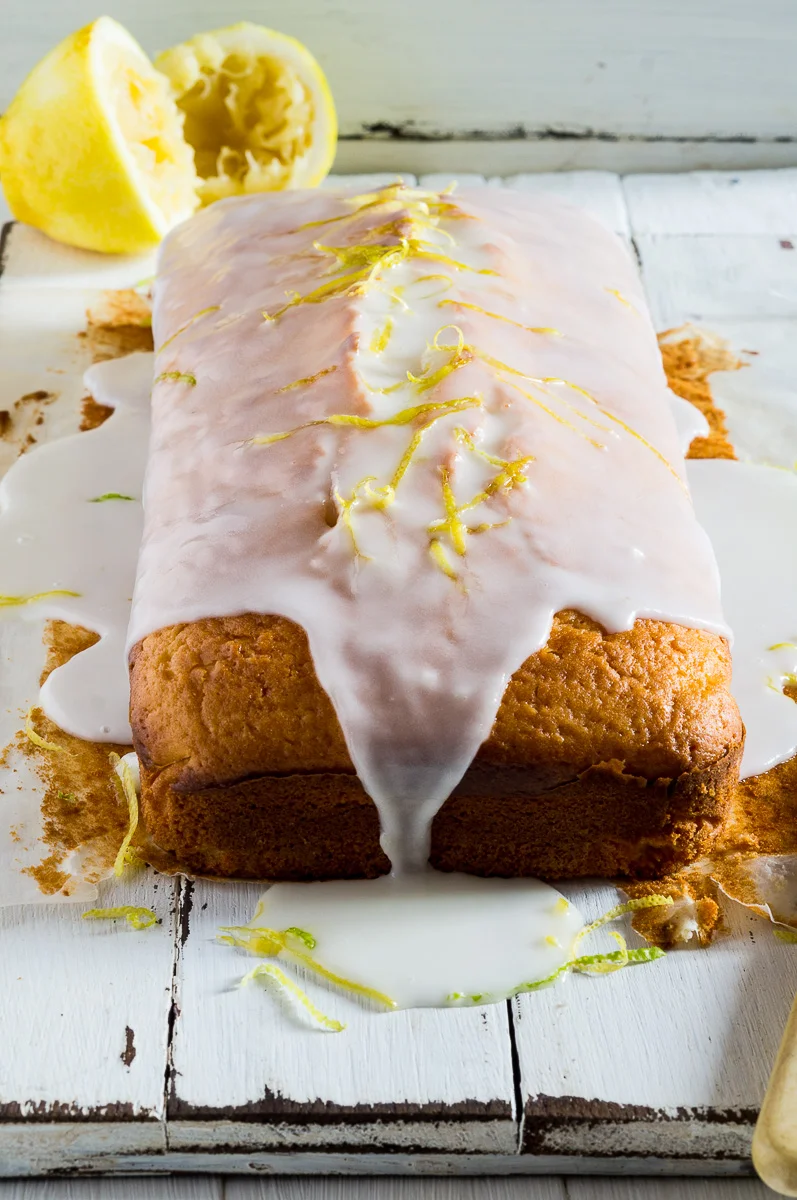
This lemon yoghurt cake is a simple loaf with a tender, moist crumb and a sharp lemon glaze. It is an easy bake for afternoon tea or a straightforward dessert to share.
Ingredients
- 250 g (2 cups)plain flour
- 10 g (2 tsp)baking powder
- 5 g (1 tsp)salt
- 245 g (1 cup)full-fat plain yoghurt
- 200 g (1 cup)sugar
- 3eggs
- 120 ml (1/2 cup)vegetable oil
- 15 ml (1 heaped tbsp)lemon zest
- 30 ml (2 tablespoons)lemon juice
- 120 g (1 cup)icing sugar
- to tastelemon zest, for garnish
Instructions
- 1
Prepare the tin
Heat the oven to 180°C. Grease and line a 29 x 14 x 6.5 cm loaf tin.
- 2
Mix and bake
Sift the flour, baking powder and salt into a bowl. In a separate bowl, whisk together the yoghurt, sugar, eggs, oil and lemon zest. Add the dry mixture to the wet mixture and whisk until smooth. Pour the batter into the prepared tin and bake for about 40 minutes, until a skewer inserted into the centre comes out clean.
- 3
Cool the loaf
Leave the loaf to cool.
- 4
Glaze and serve
Stir half the icing sugar into the lemon juice. Add more sugar gradually until the glaze reaches the consistency you want, then pour it slowly over the loaf. Sprinkle with extra lemon zest, slice and serve.
What is lemon yoghurt cake?
This is a simple loaf cake flavoured with lemon zest and topped with a lemon juice and icing sugar glaze. Yoghurt cakes are made in many home-baking traditions, and this version keeps the method uncomplicated by whisking the wet ingredients together before adding the dry ones.
Yoghurt brings moisture and a gentle tang, while the oil helps keep the crumb soft. The bright zest in the batter and the sharp glaze make the lemon flavour come through in both the cake and its topping.
Nutrition and macros by portion
The nutrition label shows one serving as written: 880 calories, 12g protein, 130g carbs, 35g fat.
| Portion | Adjustment | kcal | Protein | Carbs | Fat |
|---|---|---|---|---|---|
| Lighter | Use a thinner glaze | 616 kcal | 8g | 91g | 25g |
| This serving | As written | 880 kcal | 12g | 130g | 35g |
| Hungry | Serve a larger slice | 1320 kcal | 18g | 195g | 53g |
The flour and sugar provide most of the carbohydrates, while the vegetable oil and eggs contribute much of the fat; yoghurt and eggs provide some protein. The glaze adds further sugar. Balance a slice with fresh fruit and plain yoghurt, or serve a smaller slice after a meal.
Why yoghurt and oil work
Full-fat yoghurt adds moisture and a little acidity to the batter. Use plain yoghurt so its flavour does not compete with the lemon.
Vegetable oil is whisked in with the wet ingredients, making this a quick batter that does not require creaming butter and sugar. Measure the oil carefully so the cake stays tender rather than greasy.
Mix the batter gently
Dry ingredients: Sifting the flour, baking powder and salt distributes them evenly and helps avoid lumps.
Wet ingredients: Whisk the yoghurt, sugar, eggs, oil and zest until combined, then add the dry mixture. Stop when the batter is smooth; mixing more than necessary can make the loaf less tender.
Check when it is baked
The stated baking time is about 40 minutes, but use the skewer test as the main cue. Insert a skewer into the centre; it should come out clean when the cake is ready.
The specified 29 x 14 x 6.5 cm tin makes a relatively low loaf, which is easier to slice. A different tin size can change the loaf's depth and baking time.
Get the glaze consistency right
Start by mixing half the icing sugar into the lemon juice, then add the rest a little at a time. This lets you stop when the glaze is thick enough to coat the loaf but still flows over it.
Let the loaf cool before glazing so the topping stays on the surface rather than melting into the warm cake. Finish with a little extra lemon zest for a fresh citrus aroma.
Serving ideas
Slice the loaf once the glaze has set enough to cut cleanly. It works well on its own with tea or coffee.
For a more substantial serving, pair a slice with fresh berries or a spoonful of plain yoghurt. Their tartness complements the sweet glaze.
Recipe notes & tips
- Zest the lemon before juicing it, while the fruit is still easy to hold.
- Line the tin so you can lift the loaf out without damaging its sides.
- Whisk the batter only until it is smooth after adding the flour.
- Begin checking the centre with a skewer at about 40 minutes.
- Add icing sugar to the lemon juice gradually to control the glaze thickness.
- Wait for the loaf to cool before pouring on the glaze.
Variations
- More citrus: Add extra lemon zest to the batter for a stronger lemon aroma.
- Orange twist: Replace some of the lemon zest with orange zest.
- Berry side: Serve each slice with fresh berries for a tart accompaniment.
- Thicker topping: Add more icing sugar gradually for a thicker glaze.
- Plain finish: Leave off the glaze and serve the cooled loaf as it is.
Common mistakes to avoid
- Overmixing the batter: Whisk just until smooth after adding the flour to help keep the crumb tender.
- Glazing while warm: Let the loaf cool first so the glaze does not melt into the cake.
- Adding all the icing sugar at once: Stir it in gradually so you can control the consistency.
- Using the wrong doneness cue: Check the centre with a skewer rather than relying only on the time.
- Changing the tin size without checking: A different loaf depth may need a different baking time, so watch the cake closely.
How to store
Keep the cooled, glazed cake covered at room temperature for up to 3 days, or refrigerate it for up to 5 days. Bring chilled slices to room temperature before serving; the glaze may soften slightly after storage.
Frequently asked questions
Can I use low-fat yoghurt?
The recipe specifies full-fat plain yoghurt, which gives the cake its rich, moist texture. Low-fat plain yoghurt may work, but the crumb can be less tender.
How do I know when the cake is done?
Insert a skewer into the centre after about 40 minutes. It should come out clean.
Can I make the glaze thicker or thinner?
Yes. Add the icing sugar gradually, stopping when the glaze reaches the consistency you prefer. More sugar makes it thicker; a little extra lemon juice loosens it.
Should I glaze the cake while it is warm?
No. Let the loaf cool first so the glaze sits on top rather than melting into the cake.
Why is the loaf fairly low?
The recipe uses a 29 x 14 x 6.5 cm tin, which gives a relatively low loaf that is easy to slice. A narrower tin would make a deeper loaf and could affect the baking time.
Can I freeze this cake?
For best results, freeze the cooled, unglazed loaf well wrapped. Thaw it fully, then prepare and add the glaze before serving.
Cook it from the original
This recipe comes from heinstirred.com. Their page has the author’s own photos, notes and tips — the best place to cook it from.
Open the recipe on heinstirred.com