
Baingan Raita
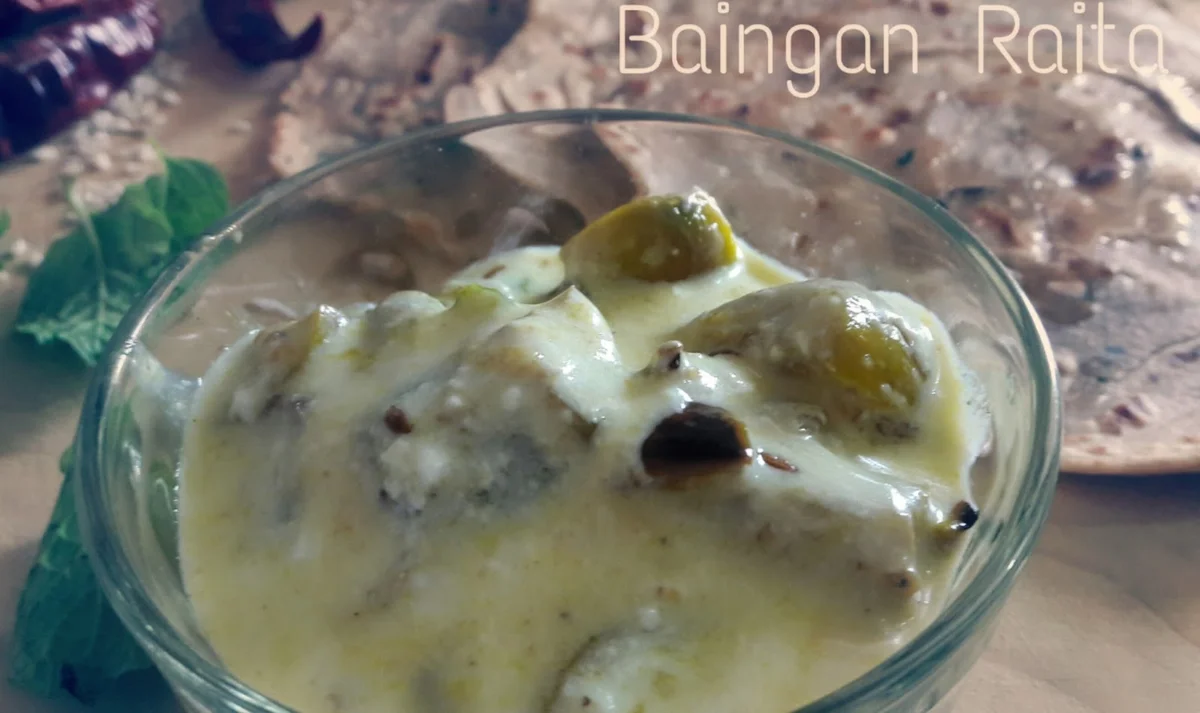
Baingan raita combines spiced, sautéed brinjal with cool, sweetened yoghurt for a creamy North Indian side. It is a quick way to bring smoky vegetables and gentle warmth to a meal.
Ingredients
- 4brinjals, chopped (2 or 3 is enough if large)
- 240 g (1 cup)curd (plain yoghurt)
- 1 tspcumin seeds
- ¼ tspgaram masala
- ¼ tspturmeric powder
- 1green chilli, finely chopped
- to tastesalt
- to tastesugar
- As neededoil
Instructions
- 1
Season the curd
Beat the curd with salt and sugar, then set it aside.
- 2
Cook the brinjal
Heat oil and add the cumin seeds. Roast them until brown, then add the chopped brinjal, salt to taste and green chilli. Sauté until the brinjal is completely cooked.
- 3
Add the spices
Stir in the garam masala and turmeric powder.
- 4
Mix and serve
Add the spiced brinjal to the beaten curd, mix well and serve.
What is baingan raita?
Baingan raita is a North Indian yoghurt side made with baingan, or brinjal. It pairs cooked aubergine with seasoned curd, bringing a cool, creamy contrast to the vegetable’s savoury spices.
In this version, cumin is toasted before the brinjal goes into the pan, while turmeric and garam masala season the cooked pieces. Mixing them into curd makes a simple accompaniment for a larger meal.
Nutrition and macros by portion
The nutrition label shows one serving as written: 170 calories, 6g protein, 18g carbs, 9g fat.
| Portion | Adjustment | kcal | Protein | Carbs | Fat |
|---|---|---|---|---|---|
| Lighter | Use less oil | 119 kcal | 4g | 13g | 6g |
| This serving | As written | 170 kcal | 6g | 18g | 9g |
| Hungry | Serve with extra flatbread | 255 kcal | 9g | 27g | 14g |
The brinjal supplies most of the carbohydrates and fibre, while the curd contributes protein and some fat; the oil adds further fat. Serve a portion alongside a protein-rich dish and a grain or flatbread for a more complete plate.
Choose and prepare the brinjal
Brinjal: Four small ones or two to three larger ones can be used, as the ingredient note suggests. Chop them into similar-sized pieces so they cook at roughly the same pace.
Freshness: Choose firm brinjals with smooth, unblemished skin. There is no need to peel them for this method.
Cook the spices gently
Cumin seeds: Let them roast in the hot oil until brown, as directed, to bring out their aroma. Watch closely so they do not burn.
Ground spices: Add the turmeric and garam masala after the brinjal has cooked, then stir briefly. This coats the pieces without leaving the spices to scorch in the pan.
Check the texture
Brinjal: Cook until completely tender, as the method specifies. A piece should be soft all the way through rather than firm in the centre.
Curd: Beat it before adding the cooked mixture so it is smooth and easy to combine. Let the hot brinjal lose some heat before mixing if you prefer the raita cool and creamy.
Balance the seasoning
Salt: The curd and brinjal are seasoned separately in the method, so add a little at a time and taste each component. This helps keep the finished raita from becoming too salty.
Sugar: The recipe gives no quantity, so start with a small amount in the curd and adjust to your taste. The aim is a gentle balance, not a distinctly sweet raita.
Serve it with a meal
Baingan raita works well alongside rice, flatbreads or a North Indian meal with lentils and vegetable dishes. Serve it as a side rather than relying on it as the whole meal.
For a cooler finish, serve soon after mixing. If you prepare it ahead, keep it chilled and stir gently before serving.
Recipe notes & tips
- Chop the brinjal evenly so the pieces cook at a similar rate.
- Keep an eye on the cumin seeds as they brown quickly in hot oil.
- Cook the brinjal until fully tender before adding the ground spices.
- Taste the curd after adding salt and sugar, since both quantities are unspecified.
- Let the cooked mixture cool slightly before stirring it into the curd for a cooler result.
Variations
- More heat: Add extra finely chopped green chilli to the brinjal.
- Fresh finish: Stir in chopped coriander just before serving.
- Tangier curd: Use a naturally tangy plain yoghurt and adjust the sugar to taste.
- Smokier flavour: Roast the brinjal over a flame before chopping and mixing it with the spices.
- Milder version: Omit the green chilli for a gentler result.
Common mistakes to avoid
- Burnt cumin: Lower the heat or add the brinjal as soon as the seeds turn brown.
- Uneven pieces: Chop the brinjal to a similar size so it cooks consistently.
- Undercooked brinjal: Continue sautéing until the pieces are completely tender.
- Scorched ground spices: Add the turmeric and garam masala only after the brinjal is cooked, then stir briefly.
- Runny raita: Beat the curd until smooth and avoid adding excess oil from the pan.
How to store
Refrigerate leftovers in a covered container and eat within 2 days. Serve chilled or bring briefly towards room temperature; reheating is not recommended because the curd may split.
Frequently asked questions
Can I make baingan raita ahead?
Yes. Cook the brinjal ahead and refrigerate it, then combine it with the beaten curd nearer to serving for the freshest texture.
Should the brinjal be hot when mixed with the curd?
It can be added warm, but letting it cool slightly helps the raita stay cool and creamy.
Can I use aubergine instead of brinjal?
Yes. Brinjal and aubergine are names for the same vegetable, so use the quantity given and chop it into similar-sized pieces.
What can I serve with baingan raita?
Serve it alongside rice, flatbreads, lentils or other dishes in a North Indian-style meal.
How do I know when the brinjal is cooked?
It should be completely soft when pierced or pressed with a spoon, with no firm centre.
Cook it from the original
This recipe comes from jinooskitchen.com. Their page has the author’s own photos, notes and tips — the best place to cook it from.
Open the recipe on jinooskitchen.com