
Onion Cashew Pakoda
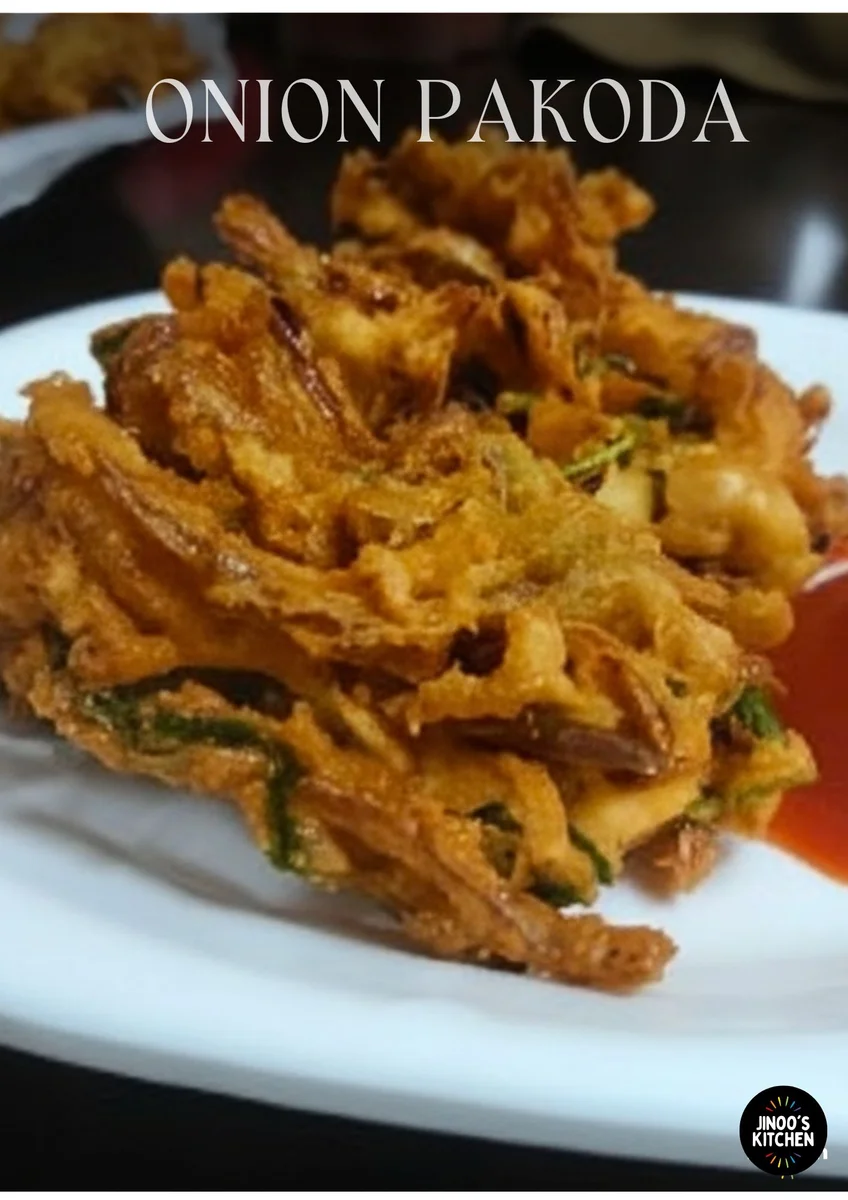
Onion cashew pakoda is a crisp, savoury South Indian fritter made by coating sliced onions and cashews in sticky bajji mix and frying them. It makes a quick snack, with sweet onion and crunchy nuts in every handful.
Ingredients
- 60 ml (½ cup)bajji mix
- 2 largeonions, sliced
- 20 g (⅛ cup)cashews, broken into pieces
- ¼ tspsalt
- A little, as neededwater
- For fryingoil
Instructions
- 1
Mix the ingredients
Combine the bajji mix, sliced onions, cashews and salt. Add a little water and mix until the coating is sticky enough to cling to the onions and cashews; it should be neither too dry nor too runny.
- 2
Fry the pakoda
Heat the oil well. Take a handful of the mixture, spread it out and carefully add it to the oil. Fry until roasted and golden, then transfer to a paper towel.
What is onion cashew pakoda?
Pakoda is a South Asian fried snack made by coating vegetables or other ingredients in a seasoned batter. This onion-and-cashew version fits the South Indian snack tradition, where crisp fritters are often served hot.
Onion: sliced onions form the bulk of each fritter and soften as their edges crisp. Cashews add a distinct nutty crunch, while the ready-made bajji mix provides the coating and seasoning.
Nutrition and macros by portion
The nutrition label shows one serving as written: 585 calories, 13g protein, 74g carbs, 29g fat.
| Portion | Adjustment | kcal | Protein | Carbs | Fat |
|---|---|---|---|---|---|
| Lighter | Use less frying oil | 410 kcal | 9g | 52g | 20g |
| This serving | As written | 585 kcal | 13g | 74g | 29g |
| Hungry | Make a double batch | 878 kcal | 20g | 111g | 44g |
The bajji mix supplies most of the carbohydrates, while cashews contribute some fat and protein. Onions add volume and some carbohydrates; the frying oil adds further fat, with the absorbed amount varying by cooking conditions. Pair a portion with salad or vegetables for a more balanced plate.
Getting the coating right
Bajji mix: the recipe uses a prepared mix, so its seasoning and texture may vary by brand. Add water gradually rather than all at once, since the sliced onions also release moisture.
Frying for a crisp finish
Oil temperature: heat the oil well before adding the mixture, as directed. If it is not hot enough, the fritters can absorb more oil instead of setting quickly.
Batches: fry handfuls without crowding the pan, so the pieces have room to cook. Keep the uncooked mixture together while you fry each batch.
How to judge doneness
Colour: look for a roasted, golden-brown surface, as described in the method. The outside should look crisp rather than pale and wet.
Texture: let a fritter drain briefly on paper towel, then check that the onion inside has softened. If the outside browns before the onion is tender, make the next handful a little looser and smaller.
Timing and serving
The stated total time is 25 minutes, including preparation and frying. The actual frying time depends on the size of each handful and how many batches you need.
Serve the pakoda hot, soon after frying, while the coating is at its crispest. It works as a snack or alongside a meal with a fresh salad or a simple yoghurt dip.
Choosing the onions and cashews
Onions: slice them evenly so they cook at a similar pace. Very thick slices can stay firm while the coating browns.
Cashews: broken pieces are easier to distribute through the mixture than whole nuts. Keep them in bite-sized pieces so they sit neatly in the fritters.
Recipe notes & tips
- Add the water a little at a time to avoid a runny coating.
- Mix until the batter clings to the onions and cashew pieces.
- Break the cashews into small, fairly even pieces.
- Fry the mixture in handfuls rather than crowding the pan.
- Drain each batch on paper towel and serve while hot.
Variations
- Add chilli: mix in finely chopped fresh chilli for extra heat.
- Add herbs: stir in chopped curry leaves for an aromatic note.
- Add spices: mix in a pinch of chilli powder if your bajji mix is mild.
- Change the nuts: use broken peanuts instead of cashews for a different crunch.
- Serve with dip: offer a yoghurt dip or chutney alongside the hot fritters.
Common mistakes to avoid
- Too much water: the coating slips off; add water gradually and stop once it clings.
- Mixture too dry: the ingredients do not hold together; add a small splash of water.
- Oil not hot enough: the fritters can turn greasy; heat the oil well before frying.
- Crowded pan: the pieces may cook unevenly; fry smaller handfuls with space between them.
- Uneven onion slices: thicker pieces may stay firm; slice the onions evenly.
How to store
For the best texture, eat the pakoda soon after frying. Refrigerate leftovers in an airtight container for up to 2 days, then reheat in an oven or air fryer until hot; they may be less crisp than freshly fried.
Frequently asked questions
How much water should I add?
The recipe does not give a measured amount. Add it gradually until the bajji mix forms a sticky coating on the onions and cashews without becoming runny.
Can I make the mixture ahead?
It is best mixed shortly before frying, because the onions release moisture as they sit. If preparing ahead, keep the dry ingredients separate and combine them with the onions and water just before cooking.
How do I know the oil is ready?
The recipe calls for well-heated oil but gives no temperature. Add a small piece of coated onion as a check: it should begin frying promptly rather than sitting in the oil.
Can I use whole cashews?
Broken pieces are easier to spread through the mixture and eat in the finished fritters. Break larger cashews into bite-sized pieces before mixing.
Can I reheat leftover pakoda?
Yes. Reheat it in an oven or air fryer until hot to help bring back some crispness; a microwave will soften the coating.
Cook it from the original
This recipe comes from jinooskitchen.com. Their page has the author’s own photos, notes and tips — the best place to cook it from.
Open the recipe on jinooskitchen.com