
Best Mutton Chukka Recipe
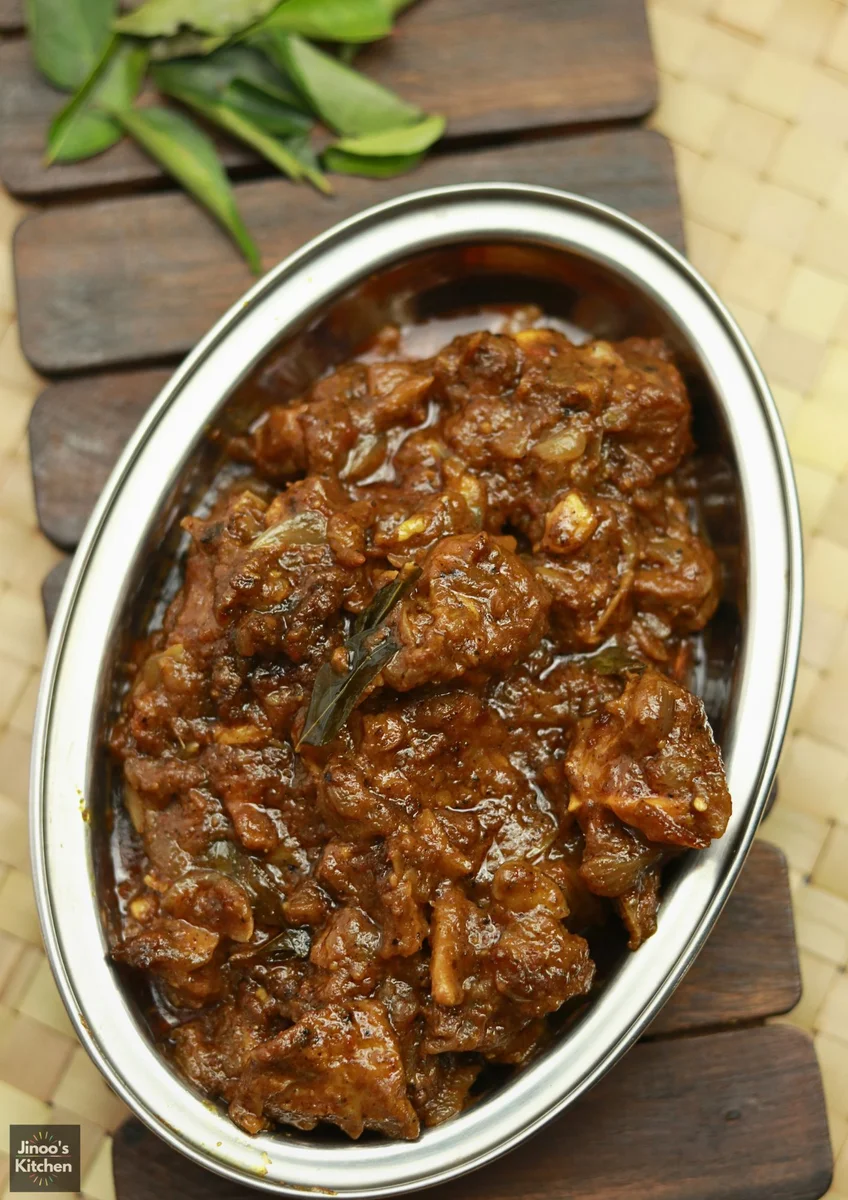
Mutton chukka is a spicy Tamil-style dry fry in which tender mutton is coated in a fragrant, freshly ground masala. This peppery version is cooked in stages, making it a satisfying partner for rice, dosa, parotta or idli.
Ingredients
- 500 gmutton, cut into small cubes
- 480 ml (2 cups)water
- 1½ tspsalt
- ½ tspturmeric powder
- 2 tspKashmiri chilli powder
- 1 tspcoriander powder
- 1 inchcinnamon
- 7cloves
- 1 tspfennel seeds
- 1black cardamom
- 1 small piecestone flower
- 1 tspcumin seeds
- 1½ tsppeppercorns
- 10–12cashews
- 225 g (1½ cups)small onions, halved
- 1tomato, chopped
- A fewcurry leaves
- 1 tspcrushed garlic
- ½ tspcrushed ginger
- 30 ml (⅛ cup)groundnut oil
Instructions
- 1
Start the cooker
Heat some of the oil in a pressure cooker. Add the crushed ginger and garlic and sauté briefly until aromatic.
- 2
Fry the mutton
Add the cleaned mutton, salt, turmeric, chilli powder and coriander powder. Mix well and fry over medium-high heat until the meat turns whitish and firm and its raw moisture has dried.
- 3
Pressure cook
Pour in enough water to cook the meat and stir once. Close the cooker and cook for a few whistles, until the mutton is tender; set aside.
- 4
Roast the spices
In a separate pan, dry-roast the cinnamon, cloves, fennel seeds, black cardamom, stone flower, cumin, peppercorns and a few cashews. Stir continuously over low heat until fragrant and lightly golden.
- 5
Grind the masala
Let the roasted spices cool, then grind them to a medium-coarse powder.
- 6
Cook the onions
Heat oil in a heavy kadai. Add the small onions, crushed ginger and garlic, then sprinkle in a little salt. Sauté until the onions are golden brown.
- 7
Soften the tomatoes
Add the chopped tomato and curry leaves. Cook until the tomato softens and breaks down; add a splash of the mutton stock if needed to help it cook.
- 8
Cook the masala
Add turmeric, chilli powder and the freshly ground spice powder. Mix well and cook until the oil separates. If the mixture becomes too dry, add mutton stock a little at a time and cook until glossy.
- 9
Add the mutton
Add the cooked mutton and its stock, stirring to coat the pieces. Partially cover the kadai and cook over medium heat, stirring occasionally, until the masala thickens and clings to the meat.
- 10
Reduce to dry
Once the mutton is soft and tender, remove the lid and keep cooking until the dish reduces to a dry sukka-style consistency.
- 11
Finish and serve
Sprinkle freshly crushed pepper over the mutton and mix once more. Turn off the heat and serve hot with rice, dosa, parotta or idli.
What is mutton chukka?
Chukka, also called sukka, is a South Indian dry-style meat preparation, and this version is rooted in Tamil Nadu cooking. Rather than serving the mutton in a loose gravy, it is cooked until the masala clings closely to each piece.
The method combines pressure-cooked meat with a separately roasted spice blend and an onion-tomato base. That layering builds flavour while letting you control the final, relatively dry texture.
Nutrition and macros by portion
The nutrition label shows one serving as written: 500 calories, 34g protein, 15g carbs, 34g fat.
| Portion | Adjustment | kcal | Protein | Carbs | Fat |
|---|---|---|---|---|---|
| Lighter | Use less oil | 350 kcal | 24g | 11g | 24g |
| This serving | As written | 500 kcal | 34g | 15g | 34g |
| Hungry | Add more rice | 750 kcal | 51g | 23g | 51g |
Mutton provides most of the protein and much of the fat, while the onions, tomato and cashews contribute carbohydrates; the groundnut oil adds further fat. Pair a serving with vegetables and a moderate portion of rice or another accompaniment for a more balanced plate.
Why cook the mutton first?
Tenderness: Pressure cooking softens the mutton before it goes into the kadai, so the final reduction can concentrate the masala without leaving the meat tough.
Stock: Keep the cooking liquid. Adding it gradually helps the tomato and spices cook smoothly, and brings the meat’s cooking flavour into the sauce.
The freshly roasted masala
Low heat: Roast the whole spices and cashews gently, stirring continuously. They should smell fragrant and look lightly golden, not dark or scorched.
Coarse grind: Let the spices cool before grinding them to a medium-coarse powder. This gives the masala texture and keeps the individual spice flavours noticeable.
Getting the onions and tomatoes right
Golden onions: Take the onions to a proper golden brown before adding the tomato; this gives the base a savoury depth.
Soft tomatoes: Cook until the tomato has broken down, using a small splash of stock if the pan looks dry. The masala is ready for the mutton once it looks glossy and the oil begins to separate.
How to judge the final texture
During reduction, stir from time to time so the masala does not catch on the bottom of the kadai. Add stock only in small amounts if the mixture dries before the meat is fully coated.
The finished dish should be moist enough for the masala to cling, but not have a pool of gravy. The mutton should be soft and tender before you uncover the pan for the final drying stage.
Serving ideas
Serve the chukka hot with rice, dosa, parotta or idli, as suggested for this recipe. Rice is an easy way to catch any masala left on the plate, while dosa and parotta make a heartier pairing.
For balance, add a simple vegetable side or fresh salad. The relatively dry preparation also works well as one dish in a larger meal.
Recipe notes & tips
- Cut the mutton into evenly sized small cubes so it cooks at a similar rate.
- Reserve the mutton stock and add it to the masala gradually rather than all at once.
- Keep the whole spices moving over low heat so they roast evenly without burning.
- Grind the roasted spices only after they have cooled.
- Stir more frequently as the masala thickens and the liquid reduces.
- Finish with freshly crushed pepper for the final peppery note.
Variations
- Adjust the heat: Use less chilli powder for a milder version.
- Pepper-forward: Add more freshly crushed pepper at the end for a stronger pepper flavour.
- Cashew-free: Leave out the cashews from the roasted spice blend.
- Extra onion: Increase the small onions for a sweeter, fuller base.
- Serve with dosa: Pair the dry mutton with dosa for a filling meal.
Common mistakes to avoid
- Scorching the spices: Roast over low heat and stir continuously, stopping when they smell fragrant and turn lightly golden.
- Grinding while hot: Let the roasted spices cool first for a more even grind.
- Adding too much stock: Pour it in little by little so the masala can reduce to a dry consistency.
- Stopping too early: Keep cooking uncovered until the sauce clings to the mutton rather than remaining runny.
- Letting the base catch: Stir regularly, especially as the masala thickens.
How to store
Refrigerate leftovers in a covered container for up to 3 days. Reheat in a kadai over low heat, stirring; add a small splash of water if the masala has become too dry.
Frequently asked questions
How can I tell when the mutton is tender?
It should be soft when pierced and easy to bite, rather than chewy. If it is not tender after the initial pressure-cooking, continue cooking until it is.
Can I make this without a pressure cooker?
The supplied method uses a pressure cooker to tenderise the mutton. Without one, cook it covered in a pot with the water until tender, checking the liquid and allowing extra time.
What does sukka-style mean?
It describes a relatively dry preparation rather than a dish with a generous gravy. Here, the masala is reduced until it coats the mutton.
Why is the mutton stock added gradually?
A little stock loosens the masala and helps it cook without drying out too soon. Adding it in stages makes it easier to reach the final dry, glossy consistency.
What can I serve with mutton chukka?
Serve it with rice, dosa, parotta or idli. A vegetable side or salad can round out the meal.
Cook it from the original
This recipe comes from jinooskitchen.com. Their page has the author’s own photos, notes and tips — the best place to cook it from.
Open the recipe on jinooskitchen.com