
Mutta Thakkali – Kongu Style Egg Curry
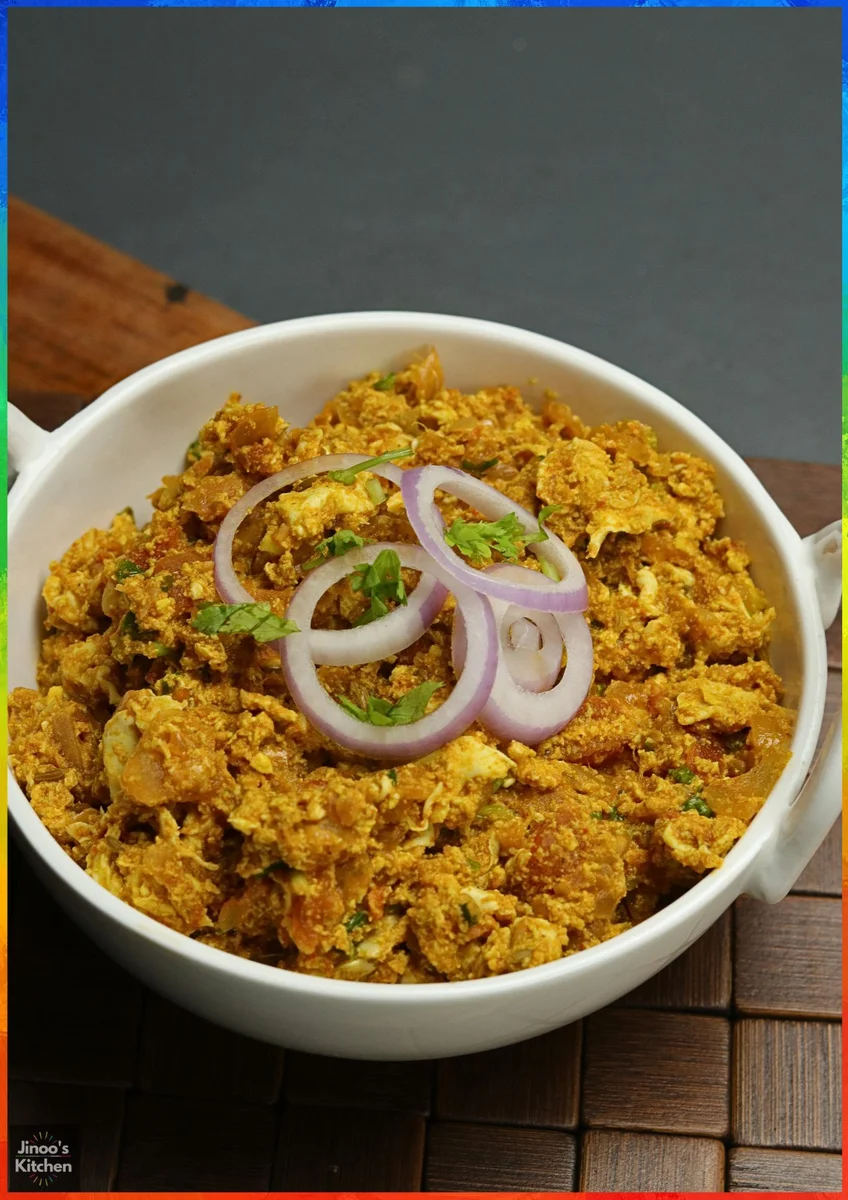
Mutta Thakkali is a rustic egg curry simmered in a spiced onion-and-tomato masala. It makes a hearty meal with rice or flatbread, using straightforward ingredients and a quick stovetop method.
Ingredients
- 1 tspoil
- 1 tspfennel seeds
- 2onions, finely chopped
- 1 tspginger garlic paste
- 3tomatoes, chopped
- 1 tspsalt
- 1/4 tspturmeric powder
- 1/2 tspchilli powder
- 1/2 tspKashmiri chilli powder
- 1 tspcoriander powder
- 1/2 tspgaram masala
- 60 ml (1/4 cup)water
- 240 ml (1 cup)water
- 5eggs
- 1 tbspcoriander leaves, chopped
Instructions
- 1
Brown the onions
Heat the oil in a pan, add the fennel seeds and let them sizzle briefly. Add the onions and cook until browned.
- 2
Cook the tomatoes
Stir in the ginger garlic paste, then add the tomatoes. Cook until the tomatoes soften and turn mushy.
- 3
Add the spices
Add the salt, turmeric, chilli powder, Kashmiri chilli powder, coriander powder and garam masala. Cook until oil separates from the masala.
- 4
Cook the masala
Pour in 60 ml (1/4 cup) water and cook until the masala is fully cooked.
- 5
Add water and eggs
Pour in 240 ml (1 cup) water and bring the curry to the boil. Crack the 5 eggs into the curry.
- 6
Cover and simmer
Sprinkle with salt, cover the pan and cook over a low heat for 5 minutes.
- 7
Finish cooking
Mix gently, then continue cooking until the curry is thick and the eggs are cooked.
- 8
Add coriander
Stir in the chopped coriander leaves and switch off the heat.
What is Mutta Thakkali?
Mutta Thakkali means egg and tomato, the central ingredients in this curry. It belongs to Tamil Nadu cooking, and this Kongu-style version brings eggs together with a rustic onion-and-tomato masala.
Fennel and warm ground spices give the sauce its character, while the eggs cook directly in the curry. That makes it a practical one-pan dish to serve with rice or bread.
Nutrition and macros by portion
The nutrition label shows one serving as written: 135 calories, 9g protein, 14g carbs, 8g fat.
| Portion | Adjustment | kcal | Protein | Carbs | Fat |
|---|---|---|---|---|---|
| Lighter | Use less oil | 95 kcal | 6g | 10g | 6g |
| This serving | As written | 135 kcal | 9g | 14g | 8g |
| Hungry | Add another egg | 203 kcal | 13g | 21g | 12g |
The eggs provide most of the protein and fat, while the onions and tomatoes contribute much of the carbohydrates. The small amount of oil adds fat, and the spices and salt season the sauce. Serve it with a measured portion of rice or flatbread and a vegetable side to balance the plate.
Build the masala
Browned onions: Take time to cook the chopped onions until well coloured; they form the savoury base of the sauce.
Soft tomatoes: Cook the tomatoes until mushy so they blend into the masala rather than staying in distinct chunks.
Use the water in stages
First addition: The smaller amount of water helps the spiced masala cook through before it is thinned into a curry.
Second addition: Add the larger measure and bring it to a boil before cracking in the eggs. This gives the eggs a hot, saucy base to cook in.
Cook the eggs gently
Low heat: Cover the pan and simmer gently for the stated 5 minutes, then check how set the eggs are before continuing.
Gentle mixing: Stir carefully after the initial covered cook so the eggs are less likely to break apart as the curry thickens.
Watch the consistency
The curry is ready when the masala has thickened and the eggs are cooked through. If the sauce still looks thin, let it simmer a little longer, stirring gently.
The method uses two additions of water, so avoid adding extra at the end unless you prefer a looser curry.
Serve it with
Serve the curry hot with steamed rice, which soaks up the tomato masala. Flatbreads are another useful choice for scooping up the sauce.
For a more rounded plate, add a simple vegetable side and adjust the portion of rice or bread to suit your appetite.
Recipe notes & tips
- Chop the onions evenly so they brown at a similar rate.
- Let the tomatoes soften fully before adding the ground spices.
- Keep the heat low once the eggs are in the pan.
- Crack each egg carefully into a separate spot in the curry.
- Stir gently after covering so the eggs keep their shape.
- Add the coriander leaves just before switching off the heat.
Variations
- Milder curry: Reduce the chilli powder to suit your preference.
- More tomato: Add an extra chopped tomato for a tangier, fruitier sauce.
- Herb finish: Scatter a little extra chopped coriander over the curry at serving.
- Looser sauce: Add a small splash of hot water if you prefer more gravy.
- Firmer eggs: Simmer for longer after the covered 5-minute stage, checking until cooked to your liking.
Common mistakes to avoid
- Undercooked onions: Keep cooking until browned so the sauce has a deep savoury base.
- Firm tomato pieces: Simmer until the tomatoes turn mushy before adding the spices.
- Scorching the spices: Stir them into the tomato mixture and keep the heat controlled.
- Boiling hard with eggs: Lower the heat and cover the pan to cook them more gently.
- Rough stirring: Mix carefully after the first 5 minutes to avoid breaking the eggs.
- Thin curry: Continue simmering gently until the sauce thickens.
How to store
Cool leftovers promptly and refrigerate in a covered container for up to 2 days. Reheat gently in a pan until piping hot, taking care not to break up the eggs; add a splash of water if the sauce has thickened too much.
Frequently asked questions
Can I boil the eggs before adding them?
This method cooks the eggs directly in the curry. Pre-boiled eggs can be used, but the cooking method and texture will differ.
How do I know when the eggs are cooked?
Continue cooking until the eggs are set to your preference. The recipe gives an initial covered cook of 5 minutes, followed by further cooking as needed.
Can I make the curry less spicy?
Use less chilli powder, or omit it for a milder result. Keep the other seasonings as listed and taste the masala as it cooks.
Why add the water in two stages?
The first 60 ml helps cook the masala thoroughly. The additional 240 ml forms the curry liquid for cooking the eggs.
What should I serve with this curry?
Steamed rice is a natural match, and flatbreads also work well. A vegetable side can round out the meal.
Cook it from the original
This recipe comes from jinooskitchen.com. Their page has the author’s own photos, notes and tips — the best place to cook it from.
Open the recipe on jinooskitchen.com