
Irish Shortbread
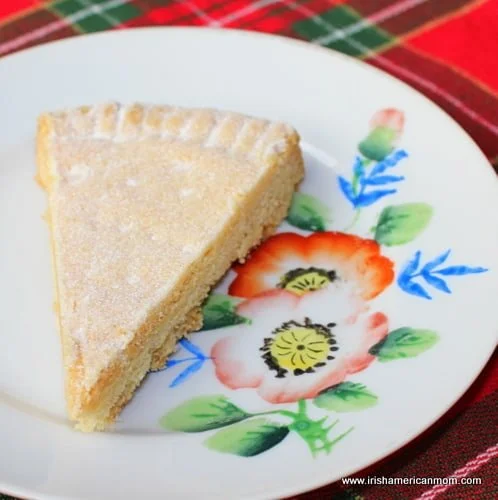
Irish shortbread is a rich, crumbly biscuit sometimes shaped as Petticoat Tails. Its simple buttery dough is pressed into a round, marked into wedges and baked gently for a delicate finish.
Ingredients
- 113 g (4 ounces; 1 stick)butter
- 50 g (1/4 cup); reserve 1 tablespoon for sprinkling over the baked shortbreadfine caster sugar
- 15 g (2 tablespoons)icing sugar
- 0.6 g (1/8 teaspoon)salt
- 180 g (1 1/2 cups)plain flour
- 8 g (1 tablespoon)cornflour
- For greasing the baking panbutter
Instructions
- 1
Cream the butter
Preheat the oven to 150°C (300°F). Using an electric mixer, cream the butter with the sugars and salt until light and fluffy.
- 2
Make the dough
Sift the cornflour and plain flour together. Add them to the butter mixture and combine to make a soft dough.
- 3
Shape and mark
Press the dough into a greased 18 cm (7-inch) round springform tin. Remove the sides and lightly flatten the top with a rolling pin. Press the dough’s outer edge with a fork, prick the surface in evenly spaced circles with a cocktail stick, then mark it with a knife into 8 equal triangular sections.
- 4
Bake the shortbread
Replace the sides of the springform tin. Bake at 150°C (300°F) for 20 minutes, then reduce the oven to 135°C (275°F) and bake for a further 15 minutes.
- 5
Cool and cut
Take the shortbread out of the oven and leave it in the tin for 10 minutes. Transfer it to a wire rack to cool completely, then cut it into triangles to serve.
What is Irish shortbread?
Shortbread is a traditional British biscuit made from a simple dough rich in butter. It is especially associated with Scotland, while this Irish-style version shares the same tender, crumbly character.
Petticoat Tails is a name often used for shortbread baked as a round and divided into wedges. Here, the flour and cornflour help give the biscuits a fine, delicate texture.
Nutrition and macros by portion
The nutrition label shows one serving as written: 223 calories, 3g protein, 27g carbs, 12g fat.
| Portion | Adjustment | kcal | Protein | Carbs | Fat |
|---|---|---|---|---|---|
| Lighter | Serve a smaller wedge | 156 kcal | 2g | 19g | 8g |
| This serving | As written | 223 kcal | 3g | 27g | 12g |
| Hungry | Add another wedge | 335 kcal | 5g | 41g | 18g |
The flour and sugars provide most of the carbohydrate, while butter contributes most of the fat; the small amount of protein comes mainly from the flour and butter. Serve a wedge with fruit or unsweetened tea, and adjust the portion to suit the rest of the plate.
Why use two sugars?
Caster sugar: its fine grains blend readily into the butter, helping make a smooth dough.
Icing sugar: this adds another fine-textured element to the mixture. Keep back the tablespoon of caster sugar for sprinkling over the baked shortbread.
Getting the dough ready
Sifted flour: combining the plain flour and cornflour before adding them helps distribute the cornflour evenly.
Gentle mixing: stop once the ingredients come together into a soft dough. Press it into the tin rather than kneading it.
Marking the round
Even wedges: divide the round into 8 triangular sections with shallow knife marks before baking, so the portions are easy to identify later.
Pricked surface: space the fork or cocktail-stick marks evenly across the dough, following the pattern in the method. Keep the marks shallow and avoid cutting all the way through.
How to judge doneness
Low heat: the two-stage bake starts at 150°C and finishes at 135°C. Use the stated baking times, reducing the temperature after the first 20 minutes.
Cooling matters: the shortbread is fragile when hot. Let it stand in the tin for 10 minutes, then cool it fully on a rack before cutting into wedges.
Serving the wedges
Serve the triangles with tea or coffee, or alongside fresh fruit for a simple contrast to their buttery richness.
A light dusting or sprinkle of the reserved caster sugar is enough to finish the top; the shortbread is also enjoyable plain.
Recipe notes & tips
- Grease the springform tin so the baked round releases more easily.
- Use fine caster sugar in the dough for an even, smooth mixture.
- Press the dough into the tin evenly so the round bakes at a consistent rate.
- Mark the wedges before baking to make portioning neater.
- Let the shortbread cool completely before cutting to reduce crumbling.
Variations
- Citrus zest: mix a little finely grated lemon zest into the creamed butter for a fragrant note.
- Vanilla: add a small splash of vanilla extract while creaming the butter and sugars.
- Chocolate dip: dip the cooled wedge tips in melted chocolate and leave them to set.
- Spiced sugar: use a pinch of cinnamon in the dough for a gentle warming flavour.
Common mistakes to avoid
- Overmixing the dough: stop as soon as it comes together to help keep the shortbread tender.
- Uneven thickness: press the dough level in the tin so thinner areas do not bake faster.
- Deep wedge cuts: score the sections lightly before baking rather than cutting through the raw dough.
- Skipping the temperature reduction: lower the oven to 135°C after 20 minutes as directed.
- Cutting while hot: cool the shortbread fully on a rack first so the wedges are less likely to break.
How to store
Once fully cool, store the shortbread in an airtight container at room temperature for up to a week. It is best served at room temperature; if needed, warm it briefly in a low oven.
Frequently asked questions
Can I make the dough without an electric mixer?
Yes. Beat the butter and sugars together with a sturdy wooden spoon until creamy, then mix in the sifted dry ingredients.
Why is the dough pressed into the tin?
The method uses a round springform tin to shape the shortbread into a single disc. Pressing the dough in evenly helps the round bake consistently.
Do I need to prick the dough?
The recipe calls for evenly spaced pricks across the surface. Use a cocktail stick and make them shallow.
When should I cut the shortbread?
Let it cool completely on a wire rack before cutting it into the marked triangles.
Can I use salted butter?
You can, but the recipe also includes salt. If using salted butter, consider reducing or leaving out the added salt to suit your taste.
Cook it from the original
This recipe comes from irishamericanmom.com. Their page has the author’s own photos, notes and tips — the best place to cook it from.
Open the recipe on irishamericanmom.com