
Coconut rice
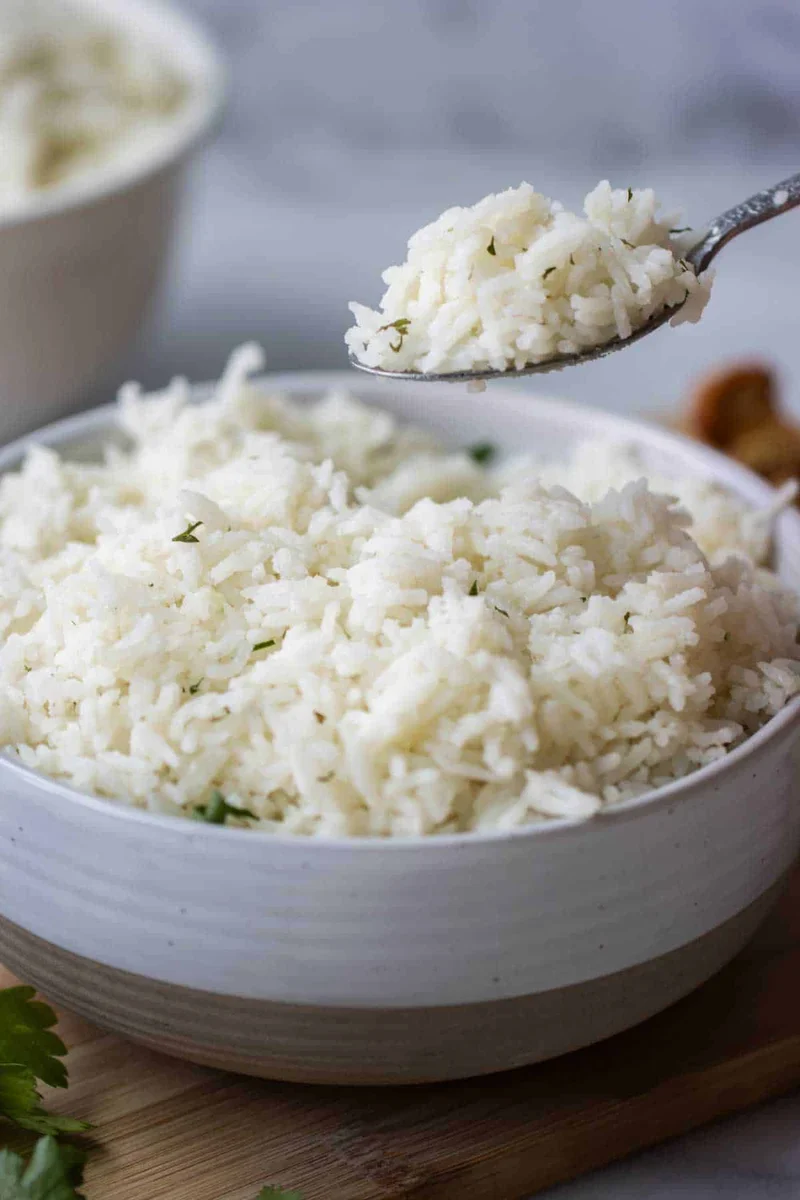
This simple coconut rice combines basmati rice with coconut milk, water and chicken stock for a softly scented side dish. It is a straightforward choice to serve alongside savoury mains that benefit from a little richness.
Ingredients
- 15 ml (1 tablespoon)oil
- 380 g (2 cups)basmati rice
- 383 g (13.5 oz; 1 can)coconut milk
- 475 ml (2 cups)water
- 10 ml (2 teaspoons)chicken stock cube
- 1.25 ml (¼ teaspoon)salt
- 1.25 ml (¼ teaspoon)garlic powder
Instructions
- 1
Heat the liquids
Set a large saucepan over high heat. Add the oil, coconut milk, water, chicken stock cube, salt and garlic powder; stir, then cover.
- 2
Cook the rice
When the liquid starts to boil, add the rice and stir. Cover, reduce the heat to medium-high and cook for 8 minutes.
- 3
Finish cooking
Lower the heat to medium and fluff the rice. Cover again and cook for 12 minutes.
What is coconut rice?
Coconut rice is rice cooked with coconut milk, giving the grains a gentle coconut aroma and a richer finish than plain steamed rice. It is a familiar style of side dish across several cuisines, including Latin American cooking, though recipes and seasonings vary by place.
This version pairs basmati with coconut milk, chicken stock and a little garlic powder. The method cooks the rice directly in the seasoned liquid, so it takes on flavour as it softens.
Nutrition and macros by portion
The nutrition label shows one serving as written: 550 calories, 8g protein, 77g carbs, 24g fat.
| Portion | Adjustment | kcal | Protein | Carbs | Fat |
|---|---|---|---|---|---|
| Lighter | Use less coconut milk | 385 kcal | 6g | 54g | 17g |
| This serving | As written | 550 kcal | 8g | 77g | 24g |
| Hungry | Serve a larger portion | 825 kcal | 12g | 116g | 36g |
Most of the carbohydrates come from the basmati rice, while the coconut milk and oil account for much of the fat. The rice and coconut milk also contribute some protein, with the chicken stock adding savoury flavour. Pair a serving with vegetables and a protein-rich main to make a more complete plate.
The liquid and seasoning
Coconut milk: shake or stir the can before measuring so its thicker and thinner parts are evenly combined. It brings the characteristic aroma and richness to the cooking liquid.
Chicken stock: the stock cube adds savoury depth to balance the coconut. Salt is included too, so avoid adding extra until you have tasted the finished rice.
Cooking the rice
Boiling stage: the recipe starts by bringing the coconut milk, water, oil and seasonings together under a lid. Once the liquid boils, stir in the rice and reduce the heat as directed.
Gentle finish: after 8 minutes at medium-high, lower the heat to medium, fluff the rice and cover for a further 12 minutes. Keep the lid on during this final stage so the rice can finish cooking in the steam.
Texture and doneness
Basmati grains should be tender and separate rather than mashed together. Fluffing at the start of the final cooking stage loosens the grains, but stir gently to avoid breaking them.
If the rice is still firm after the stated cooking time, keep it covered over low heat until tender. Let the grains guide you rather than relying on extra stirring.
Timing and equipment
The listed cooking stages take 20 minutes, within the stated 25-minute total time. Have the ingredients ready before heating the liquid, as the rice goes in as soon as it boils.
Use a large saucepan with a close-fitting lid. A lid that lets a lot of steam escape can affect how evenly the rice cooks.
What to serve with it
Serve the rice with a savoury main, such as chicken, fish, beans or vegetables. Its mild coconut flavour can accompany strongly seasoned dishes without needing extra garnish.
For a balanced plate, pair a portion with a protein-rich main and vegetables. Taste before serving, since the stock cube contributes seasoning.
Recipe notes & tips
- Stir the coconut milk in its can before adding it so the liquid is evenly mixed.
- Measure the rice and liquids before you begin heating the saucepan.
- Use a close-fitting lid to retain steam during both cooking stages.
- Fluff gently so the basmati grains stay intact.
- Taste before adding extra salt, as the stock cube is already seasoned.
Variations
- Fresh garlic: use a little finely chopped garlic in place of the garlic powder.
- Herb finish: scatter chopped coriander over the rice just before serving.
- Citrus lift: serve with lime wedges for a fresh, tangy contrast.
- Vegetable stock: replace the chicken stock cube with vegetable stock for a meat-free version.
- Spiced rice: add a pinch of ground cumin with the other seasonings.
Common mistakes to avoid
- Skipping the stir: mix the rice into the boiling liquid so it is distributed evenly.
- Lifting the lid repeatedly: leave the saucepan covered during cooking to retain steam.
- Cooking too fiercely: reduce the heat to medium-high after adding the rice, then to medium for the final stage.
- Rough fluffing: loosen the rice gently to avoid breaking the grains.
- Adding salt too soon: taste the finished rice first because the stock cube is salty.
How to store
Cool leftovers promptly and refrigerate in a covered container for up to 2 days. Reheat until steaming hot, adding a small splash of water and covering the rice to help it warm evenly.
Frequently asked questions
Can I use another type of rice?
Basmati is the rice specified here and gives distinct grains. Other varieties may need a different amount of liquid or cooking time, so follow the packet guidance if substituting.
Should I rinse the basmati first?
The method does not call for rinsing. If you choose to rinse it, drain it thoroughly before adding it to the boiling liquid.
Can I make this without chicken stock?
Yes. Use vegetable stock instead, or omit the stock cube and adjust the salt to taste.
Why is my rice still firm?
It may need more covered cooking time. Keep it over low heat until the grains are tender, checking without stirring excessively.
Can I use light coconut milk?
Yes, but the rice will have a less rich texture and a milder coconut flavour than when made with regular coconut milk.
Cook it from the original
This recipe comes from foodmetamorphosis.com. Their page has the author’s own photos, notes and tips — the best place to cook it from.
Open the recipe on foodmetamorphosis.com