
Extra moist, fresh and flavourful cheesecake
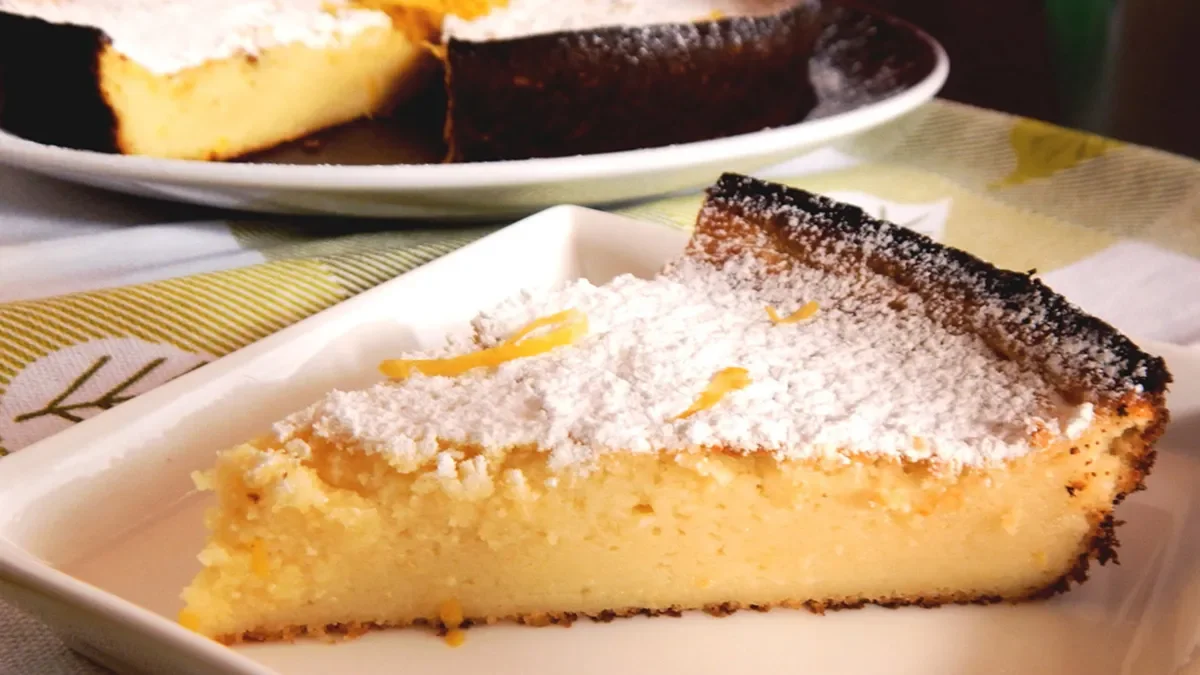
This soft, lemon-scented cheesecake is made by folding whipped egg whites into a rich cream-cheese batter. It is a straightforward bake for when you want a light, tender cake with a fresh citrus note.
Ingredients
- 300 gcream cheese
- 150 gsugar
- 75 gbutter
- 3eggs
- 1½ tbsp (about 12 g)self-raising flour
- 1 tbsp (15 ml)vanilla essence
- to tastelemon zest
Instructions
- 1
Cream the butter
Put the butter and sugar in a bowl and beat until pale. Add the lemon zest and vanilla essence, then mix until combined.
- 2
Separate the eggs
Separate the three eggs, placing the whites and yolks in different bowls. Beat the yolks into the butter mixture one at a time, mixing well after each addition.
- 3
Add cheese and flour
Once all three yolks are incorporated, add the self-raising flour and cream cheese. Beat until the mixture is smooth and combined.
- 4
Whip the whites
Beat the egg whites with an electric mixer, or by hand, until they are foamy and hold a snowy, whipped texture.
- 5
Fold in the whites
Add the whipped whites gradually, folding gently with a spatula so you keep as much of their air as possible.
- 6
Bake the cheesecake
Pour the batter into a medium, buttered tin and bake in a medium oven for about 40 minutes. To check, gently insert a knife diagonally from the edge towards the centre; it should come out clean. If your oven has two levels, bake for 20 minutes on the lower level, then 20 minutes on the upper level.
- 7
Cool and serve
Let the cake cool before removing it from the tin and placing it on a plate. It will sink as it cools; this is expected. Serve as it is, or dust with icing sugar and finish with lemon zest.
What is this cheesecake?
This is a simple baked cheesecake made with cream cheese, rather than a crumb base or a separate biscuit layer. Its style is a home-baked cake, with whipped egg whites giving the mixture a lighter texture.
The method makes the most of a short ingredient list: lemon zest and vanilla bring fragrance, while folding in the whites helps keep the crumb tender.
Nutrition and macros by portion
The nutrition label shows one serving as written: 2470 calories, 38g protein, 173g carbs, 177g fat.
| Portion | Adjustment | kcal | Protein | Carbs | Fat |
|---|---|---|---|---|---|
| Lighter | Smaller slice, more berries | 1729 kcal | 27g | 121g | 124g |
| This serving | As written | 2470 kcal | 38g | 173g | 177g |
| Hungry | Larger slice | 3705 kcal | 57g | 260g | 266g |
The cream cheese and butter provide most of the fat, while the eggs and cream cheese contribute protein. Sugar is the main source of carbohydrate, with a smaller amount from the flour. Serve a modest slice with fresh fruit to add freshness and balance the richness.
The cream cheese and flavourings
Cream cheese: use it softened enough to mix smoothly with the flour and egg-yolk mixture. This helps avoid lumps in the batter.
Lemon and vanilla: add the zest and vanilla to the creamed butter and sugar so their flavour is spread through the mixture. Use as much zest as you like for a brighter citrus note.
Why the eggs are separated
Egg yolks: add them one at a time, beating after each so they blend evenly into the butter mixture.
Egg whites: whip them separately until foamy, then fold them in gently. Vigorous stirring at this point knocks out the air the whites bring to the cake.
Getting the texture right
A spatula is useful for folding: sweep around the bowl and lift the batter over the whites, turning the bowl as you go. Stop once no large streaks of white remain.
The cake is ready when a knife inserted from near the edge towards the centre comes out clean. It will settle as it cools, which is normal for this batter.
Baking and cooling
Bake in a medium oven for about 40 minutes. If your oven has two levels, the recipe suggests 20 minutes on the lower level followed by 20 minutes on the upper level.
Allow the cake to cool before turning it out. The recipe does not specify an oven temperature or tin dimensions, so use your usual medium-oven setting and a medium-sized tin.
Serving ideas
Serve a slice plain to let the cream cheese, vanilla and lemon come through. For a simple finish, dust the cooled cake with icing sugar and add a little extra lemon zest.
Fresh berries or sliced stone fruit make a pleasant accompaniment, especially if you want something tart alongside the rich cake.
Recipe notes & tips
- Let the butter soften before beating it with the sugar.
- Add each yolk separately and mix it in before adding the next.
- Use a clean bowl and beaters for whipping the egg whites.
- Fold the whites in gently with a spatula rather than beating the batter.
- Check the cake with a knife near the end of the stated baking time.
- Wait until the cake is cool before removing it from the tin.
Variations
- More lemon: Add extra zest to the batter for a stronger citrus flavour.
- Icing sugar: Dust the cooled cake lightly just before serving.
- Berry topping: Serve with fresh berries for a tart contrast.
- Vanilla finish: Add a little extra vanilla essence for a more pronounced aroma.
- Citrus mix: Use a little orange zest alongside the lemon for a different fragrance.
Common mistakes to avoid
- Cold butter: Soften it first so it creams smoothly with the sugar.
- Adding yolks together: Beat them in one at a time for an even mixture.
- Overmixing the whites: Fold gently to preserve their airy texture.
- Rough doneness check: Insert the knife carefully from the edge towards the centre.
- Turning it out warm: Let the cake cool first so it is easier to handle.
- Expecting it not to sink: Some settling is normal as the cake cools.
How to store
Once cool, cover and refrigerate the cheesecake; it should keep for about 3 days. Serve chilled or let a slice stand briefly at room temperature; reheat gently if you prefer it warm.
Frequently asked questions
Why did my cheesecake sink after baking?
Some sinking is expected as this cake cools, particularly because it contains relatively little flour. Let it cool before removing it from the tin.
How do I know when it is cooked?
Gently insert a knife diagonally from near the edge towards the centre. If it comes out clean, the cake is ready; if batter clings to it, continue baking.
Can I use a hand whisk to whip the egg whites?
Yes. The method allows for whipping by hand, though it will take more effort than using an electric mixer.
What does a medium oven mean?
The recipe does not give a precise temperature. Use your oven's usual medium setting and check the cake for doneness at around 40 minutes.
Can I prepare the cake ahead?
Yes. Bake it ahead, let it cool, then cover and refrigerate it. Add icing sugar and fresh zest shortly before serving.
Cook it from the original
This recipe comes from cuk-it.com. Their page has the author’s own photos, notes and tips — the best place to cook it from.
Open the recipe on cuk-it.com