
No Oil Lemon Pickle - Khattay Leemoo
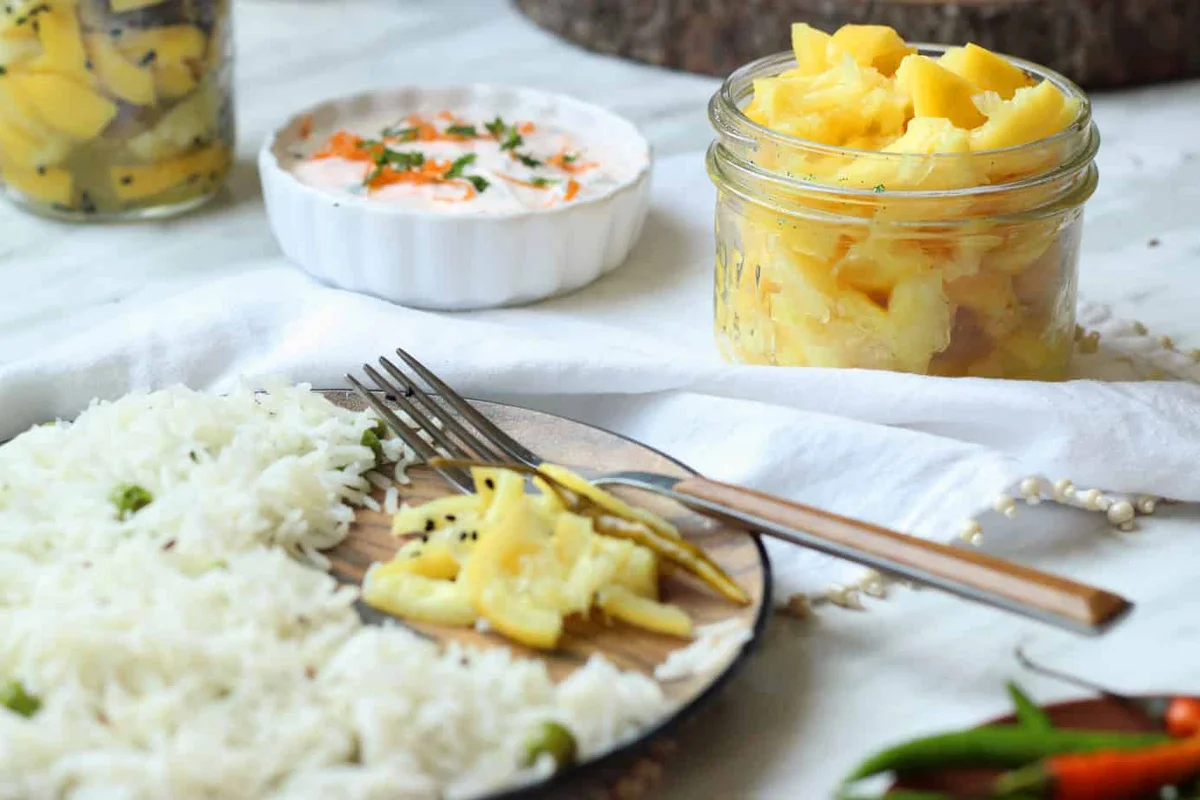
Khattay leemoo is a sharp, salty lemon pickle made by curing lemon pieces in their own juices and salt, with no added oil. Leave the jar in the sun and turn it daily for a punchy accompaniment to rice dishes.
Ingredients
- 4organic lemons, washed and scrubbed
- 2¼ tbsppickling salt
- Optional, to tastegreen chillies, nigella seeds, cumin seeds, peppercorns, star anise or other add-ins
Instructions
- 1
Halve the lemons
Halve the scrubbed lemons and squeeze out most of the juice. Set the juice aside for another use.
- 2
Cut the lemons
Cut each lemon half into six pieces or into slim slivers.
- 3
Layer the pieces
Put lemon pieces in the bottom of a jar and press them down until they form a layer about 1.5–2 inches deep.
- 4
Add salt and extras
Add your chosen optional ingredients, or none, and sprinkle over ¾ tbsp pickling salt.
- 5
Fill the jar
Repeat the layers until the jar is filled to the top.
- 6
Leave in the sun
Close the lid tightly and leave the jar in the sun for 10 days. The rind will change colour and the salt will draw some liquid from the lemons; both are expected.
- 7
Turn and check
Invert the jar each day to distribute the natural pickling liquid. Check it after 10 days: the rind should be soft. If it is not, leave it in the sun for a few more days.
- 8
Serve the pickle
Serve with daal chawal, khichri, biryani or matar pulao.
What is khattay leemoo?
Khattay leemoo is a South Asian lemon pickle, with a name that refers to its tangy character. Lemon pieces are cured with salt until the rind softens and develops a concentrated, sour-salty flavour.
This version uses no added oil and relies on the lemons’ own liquid. Optional spices and chillies let you change the aroma and heat without altering the basic method.
Nutrition and macros by portion
The nutrition label shows one serving as written: 25 calories, 1g protein, 7g carbs, 0g fat.
| Portion | Adjustment | kcal | Protein | Carbs | Fat |
|---|---|---|---|---|---|
| Lighter | Use a smaller pickle portion | 18 kcal | 1g | 5g | 0g |
| This serving | As written | 25 kcal | 1g | 7g | 0g |
| Hungry | Serve with extra rice and lentils | 38 kcal | 1g | 10g | 0g |
The lemons contribute most of the carbohydrate, while the pickling salt supplies sodium; this oil-free recipe has very little fat or protein. Pair a modest spoonful with a meal that includes lentils or another protein source and vegetables to make a more balanced plate.
The lemons and salt
Lemon rind: scrub the lemons well before cutting, since the peel stays in the pickle. Removing most of the juice as directed leaves the pieces ready to be layered and salted.
Pickling salt: salt draws moisture from the lemon and seasons the pieces as they cure. Keep to the stated amount, and distribute it through the layers rather than leaving it all in one spot.
Layering the jar
First layer: press the lemon pieces down enough to make the 1.5–2-inch layer described in the method. Add the optional extras and salt, then repeat until the jar is full.
Headspace: the instructions say to fill the jar to the top, so choose a jar that fits the amount of lemon closely and can be closed tightly.
Sun-curing and daily turning
Daily inversion: turn the closed jar over each day so the natural pickling liquid can move through the layers. Keep the lid secure while doing this.
Colour and liquid: the rind changing colour and liquid appearing are described as normal parts of the cure. Check the texture after 10 days; if the rind is still firm, leave it for a few more days.
How to tell when it is ready
Soft rind: the recipe’s main doneness cue is a nicely softened rind. If it has not softened after 10 days, continue curing for a few more days and check again.
Taste: the pickle is intended to be a sharp, salty accompaniment, so serve a small amount alongside the meal rather than as a main dish.
What to serve it with
Rice dishes: serve it with daal chawal, khichri, biryani or matar pulao, as suggested in the recipe. Its tart, salty flavour makes a vivid contrast to the milder grains and lentils.
On the plate: use it as a condiment alongside the main meal, adding more to taste rather than mixing a large amount through the whole dish.
Recipe notes & tips
- Scrub the lemons thoroughly before cutting, as the rind is part of the finished pickle.
- Choose a jar that holds the lemon layers closely and has a lid that closes tightly.
- Press each layer down gently so the pieces sit together in the jar.
- Turn the jar daily to redistribute the liquid that gathers from the lemons.
- Use the softened rind as your main cue when checking the pickle after 10 days.
Variations
- Green chillies: layer them in for a hotter pickle.
- Nigella seeds: add them between the lemon layers for a savoury aromatic note.
- Cumin seeds: include them among the add-ins for a warm, earthy flavour.
- Peppercorns: scatter them through the layers for a peppery edge.
- Star anise: add a small amount with the layers for a distinct anise aroma.
Common mistakes to avoid
- Skipping the scrub: wash and scrub the lemons well because their rind remains in the pickle.
- Uneven seasoning: distribute the salt as you build the layers rather than adding it all at once.
- Loose lid: close the jar tightly before leaving it in the sun or turning it.
- Forgetting to invert: turn the jar every day so the natural pickling liquid moves through the layers.
- Expecting softness too soon: check at 10 days and allow a few more days if the rind is still firm.
How to store
Once the rind is soft, keep the closed jar refrigerated and use a clean utensil to take out portions. The recipe does not specify a storage life, so check the pickle before serving and discard it if you notice mould or an unpleasant smell.
Frequently asked questions
How long does the lemon pickle take?
The method calls for 10 days in the sun, followed by a texture check. If the rind is not soft yet, leave it for a few more days.
Do I need to add the optional spices?
No. The recipe says to use your preferred add-ins or none at all; the lemons and salt are the essentials.
Why is liquid forming in the jar?
The salt draws some liquid from the lemons, which the method describes as normal. Invert the jar each day to spread it through the layers.
Can I use the lemon juice I squeeze out?
Yes. The method says to save it for another use, though it does not specify one.
What can I serve with khattay leemoo?
The recipe suggests daal chawal, khichri, biryani and matar pulao. Serve the pickle as a tangy, salty accompaniment.
Cook it from the original
This recipe comes from flourandspiceblog.com. Their page has the author’s own photos, notes and tips — the best place to cook it from.
Open the recipe on flourandspiceblog.com