
Lasagna Bolognese
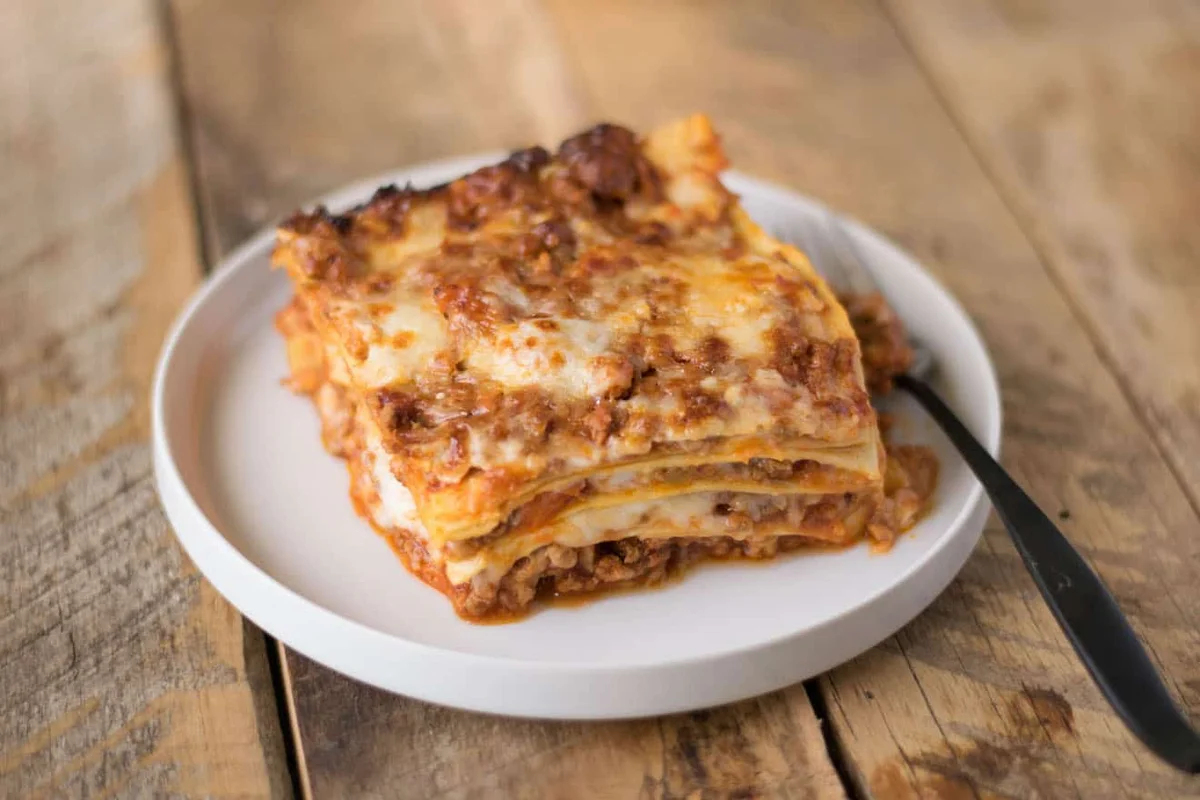
Lasagna Bolognese layers pasta, rich meat sauce, béchamel and Parmesan in a hearty Italian bake. It is made for sharing, and the assembled dish can be prepared ahead or frozen.
Ingredients
- 453 g (1 pound)lasagna sheets
- 35 g (2 1/2 tablespoons)unsalted butter
- 20 g (2 1/2 tablespoons)plain flour
- 473 ml (2 cups)whole milk, warmed
- to tastesalt
- 1/2 teaspoonfreshly ground nutmeg
- 2.84 litres (12 cups; 6 pints)Bolognese sauce
- 283 g (10 ounces)Parmesan cheese, grated
Instructions
- 1
Cook the pasta
Cook the lasagna sheets for 8–10 minutes. Drain them and lay them flat on towels to cool, then stack them between sheets of parchment paper until needed. Set aside. Skip this step if using fresh pasta sheets.
- 2
Make the béchamel
Melt the butter in a saucepan over medium heat. Whisk in the flour and cook for a few minutes, until pale golden. Gradually pour in the milk while whisking, then bring the mixture to a simmer and cook until thickened. Turn off the heat, stir in the nutmeg and a little salt to taste, and set aside.
- 3
Heat the oven
Preheat the oven to 190°C (375°F).
- 4
Arrange ingredients
Set out the Bolognese sauce, lasagna sheets, Parmesan and béchamel in a line so they are ready to assemble.
- 5
Layer the lasagna
Grease a 23 x 33 cm (9 x 13-inch) casserole dish with unsalted butter. Spread a ladleful of Bolognese sauce evenly over the base. Divide the ingredients into five portions for five layers. Add lasagna sheets, overlapping them slightly, then spread over one-fifth of the Bolognese, sprinkle with Parmesan and drizzle on a thin layer of béchamel; it does not need to cover the whole surface. Repeat the pasta, Bolognese, Parmesan and béchamel layers until the ingredients are used and the dish is full. Finish with pasta, Bolognese and béchamel, then top with Parmesan.
- 6
Bake covered
Cover the dish with foil and place it on a baking sheet in case the sauce bubbles over. Bake for 30 minutes.
- 7
Finish baking
Remove the foil and bake for a further 15 minutes. Insert a small knife into the pasta to check that it is tender; if it is not, return the dish to the oven until done. Cooking time can vary by oven and may be shorter with fresh pasta.
- 8
Rest before slicing
Leave the lasagna to rest for 30 minutes before slicing.
What is Lasagna Bolognese?
Lasagna Bolognese is an Italian baked pasta dish built from layers of pasta, Bolognese sauce and béchamel, finished with cheese. It is associated with the Emilia-Romagna tradition, where layered pasta dishes are a familiar part of the regional table.
This version balances a generous amount of sauce with a simple white sauce and grated Parmesan. Baking the layers together makes it practical for serving a group.
Nutrition and macros by portion
The nutrition label shows one serving as written: 313 calories, 13g protein, 21g carbs, 20g fat.
| Portion | Adjustment | kcal | Protein | Carbs | Fat |
|---|---|---|---|---|---|
| Lighter | Smaller slice, more salad | 219 kcal | 9g | 15g | 14g |
| This serving | As written | 313 kcal | 13g | 21g | 20g |
| Hungry | Larger lasagna portion | 470 kcal | 20g | 32g | 30g |
The Bolognese sauce and pasta provide much of the carbohydrate, while butter, milk, Parmesan and the sauce contribute fat; the sauce, pasta and cheese contribute protein. Serve a slice with salad or vegetables for a fresh contrast and a more balanced plate.
The pasta layers
Dried sheets: Cook them for 8–10 minutes, then cool them flat so they are easier to handle. Parchment between the sheets helps prevent them sticking together as they wait.
Fresh sheets: Skip the preliminary cooking step, as directed in the method. Their shorter time in the oven may also mean the lasagna is ready sooner.
A smooth béchamel
Roux: Cook the flour in the melted butter until it turns light golden, whisking to keep it smooth. This brief cooking step helps the flour blend into the sauce.
Milk: Add the warm milk gradually while whisking, then simmer until thickened. Stir in the nutmeg and salt after taking the pan off the heat.
Building even layers
Set-up: Arrange the sauce, pasta, Parmesan and béchamel before you begin. Dividing the ingredients into five portions makes it easier to keep the layers consistent.
Coverage: Start with a thin layer of Bolognese on the base, and overlap the pasta sheets slightly. The béchamel can be drizzled over rather than spread to every edge.
How to check doneness
Pasta: After the uncovered part of baking, pierce the layers with a small knife. The pasta should feel tender; if it resists, continue baking and check again.
Top: The final 15 minutes without foil lets the surface bake more directly. Put the casserole dish on a baking sheet to catch any sauce that bubbles over.
Resting and serving
Rest: Leave the baked lasagna for 30 minutes before cutting. This gives the layers time to settle, making portions easier to lift out.
To serve: Pair it with a crisp green salad or simply cooked vegetables to add freshness alongside the rich sauce and cheese.
Recipe notes & tips
- Warm the milk before adding it to the flour and butter mixture.
- Whisk continuously as you pour in the milk to help keep the béchamel smooth.
- Set the pasta sheets flat between parchment so they are easier to separate.
- Divide the ingredients into five portions before assembling for more even layers.
- Use a baking sheet beneath the casserole dish to catch any bubbling sauce.
- Let the lasagna rest for the full 30 minutes before slicing.
Variations
- Use fresh pasta: Skip the pasta-cooking step and begin layering with the sheets.
- Add herbs: Stir chopped parsley or basil into the Bolognese sauce before assembling.
- Change the cheese: Replace some of the Parmesan with grated mozzarella for a softer, stretchier top.
- Add vegetables: Layer in cooked, well-drained spinach for an extra vegetable layer.
- Make it ahead: Assemble the dish in advance and bake it when you are ready to serve.
Common mistakes to avoid
- Adding milk too quickly: Pour it in gradually while whisking to help avoid lumps.
- Skipping the rest: Allow 30 minutes after baking so the layers settle before slicing.
- Uneven layers: Divide the ingredients into five portions before you start assembling.
- Overcooking fresh pasta: Skip the preliminary boiling step when using fresh sheets.
- Ignoring the pasta test: If a small knife meets resistance, return the dish to the oven and check again.
How to store
Cool leftovers, cover or transfer them to an airtight container, and refrigerate for up to 3 days. Reheat portions in the oven until hot throughout, or use a microwave; cover loosely to help prevent the top drying out. The assembled lasagna can also be frozen, then thawed in the refrigerator before baking or reheating.
Frequently asked questions
Can I use fresh lasagna sheets?
Yes. Skip the step for boiling and cooling the pasta sheets. Check for tenderness during baking, as fresh pasta may cook more quickly.
Can I assemble the lasagna ahead of time?
Yes. Assemble it in the casserole dish, cover it and refrigerate it until you are ready to bake. Allow extra baking time if it goes into the oven cold, and check that the pasta is tender.
Why does this recipe rest for 30 minutes?
Resting lets the layers settle so the lasagna is easier to slice and serve. Keep it in the dish while it rests.
How do I know the lasagna is cooked?
Insert a small knife into the pasta after the uncovered baking time. If the pasta is still firm, return the dish to the oven and check again.
Can I freeze Lasagna Bolognese?
Yes. Freeze it in a suitable covered container, either assembled or in portions. Thaw in the refrigerator before reheating or baking.
Cook it from the original
This recipe comes from culinaryginger.com. Their page has the author’s own photos, notes and tips — the best place to cook it from.
Open the recipe on culinaryginger.com