
Sugar Bean Curry
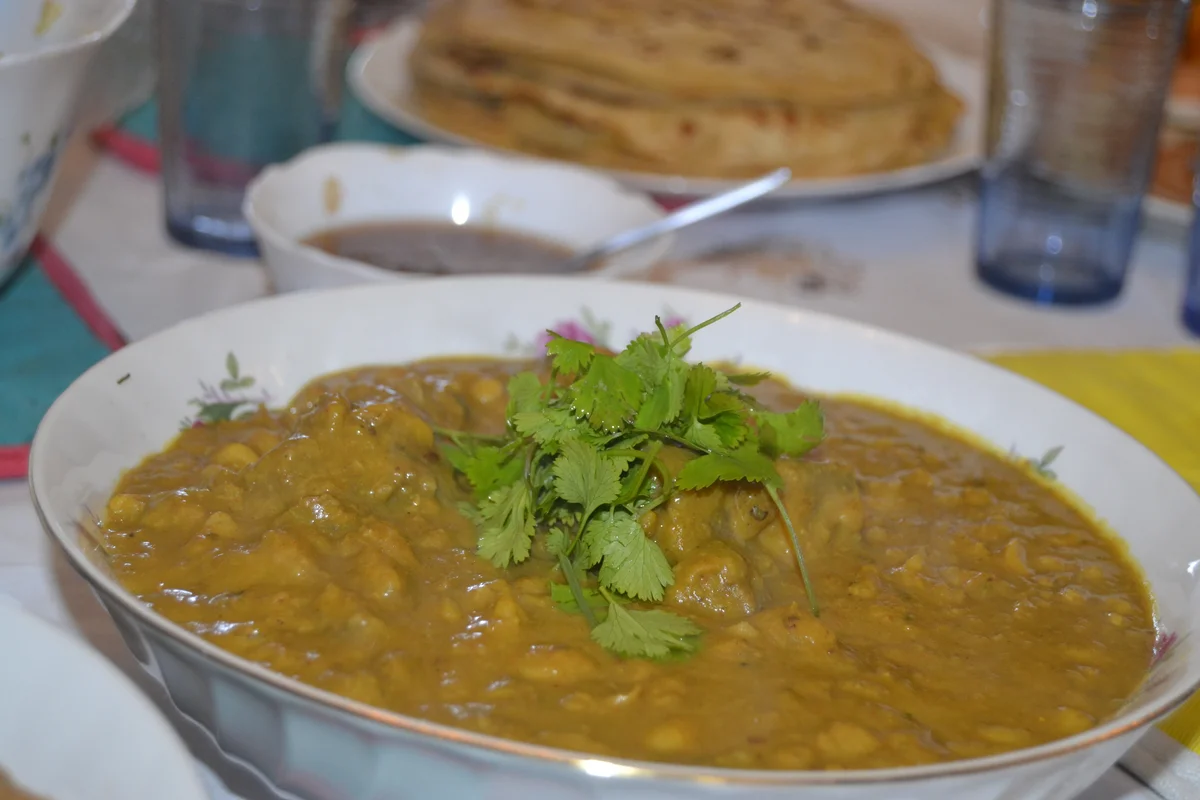
Sugar bean curry is a Cape Malay-style curry of tender beans and lamb simmered with warm spices. It is a hearty meal to serve with roti or rice, with the beans’ cooking liquid helping form the sauce.
Ingredients
- 500 gsugar beans, soaked overnight and boiled until tender; reserve the cooking water
- 1 kglamb chops
- 3onions, finely chopped
- 1green pepper, finely chopped
- 1red pepper, finely chopped
- 3 tbspgarlic, finely chopped
- 1 tbspgarlic, finely grated
- 3cardamom pods
- 5cinnamon sticks
- 1 tspturmeric
- 1 tspred chilli powder
- 2–3 tbsproasted masala
- 1 tspground coriander
- to tastesalt
- 1 tspsugar
- to tastefresh coriander
Instructions
- 1
Brown the onions
Heat oil in a pan. Add the onions, salt, cardamom and cinnamon sticks, and sauté until the onions are golden. Add the lamb, green and red peppers, garlic and ginger, then braise for 10 minutes.
- 2
Simmer the lamb
Pour in 1 cup of hot water and cook for 20 minutes. Add all the spices and the sugar, then braise for another 10 minutes, adding as little water as possible to prevent the contents from burning.
- 3
Stir as needed
Stir the curry when required as it cooks.
- 4
Add the beans
Stir in the cooked sugar beans and their reserved cooking water. Cook over medium heat until the curry sauce has thickened.
- 5
Garnish and serve
Finish with fresh coriander. Serve with roti, white rice and sambal.
What is sugar bean curry?
This is a Cape Malay-style curry combining beans, lamb and a fragrant blend of spices. Its character comes from the contrast of creamy beans, savoury meat and a gently warming sauce.
Here, the beans are cooked separately and added near the end, so they can absorb flavour without being stirred through the curry for the whole cooking time.
Nutrition and macros by portion
The nutrition label shows one serving as written: 900 calories, 53g protein, 48g carbs, 51g fat.
| Portion | Adjustment | kcal | Protein | Carbs | Fat |
|---|---|---|---|---|---|
| Lighter | Smaller lamb portion | 630 kcal | 37g | 34g | 36g |
| This serving | As written | 900 kcal | 53g | 48g | 51g |
| Hungry | Extra rice or roti | 1350 kcal | 80g | 72g | 77g |
The beans provide most of the carbohydrates and fibre, while the lamb chops contribute most of the protein and a substantial share of the fat. Serve a moderate portion with plenty of sambal or another vegetable side, and choose either roti or rice if you want to keep the plate less heavy.
Build flavour from the start
Onions: cook them until properly golden before adding the lamb; this gives the curry a savoury, rounded base.
Whole spices: cardamom pods and cinnamon sticks infuse the onions and meat as they cook. They can be removed before serving if you prefer not to encounter them in the bowl.
Manage the spice
Roasted masala: the recipe gives a range of 2–3 tablespoons, so use the lower amount for a milder result and the higher amount for a more assertive curry.
Chilli: red chilli powder adds heat alongside the masala. Keep to the listed teaspoon, or adjust it to suit your preference.
Keep the lamb from catching
Braising: after adding the spices and sugar, the mixture needs occasional attention because the method calls for very little extra water. Stir when needed and add only a small splash if the base begins to stick.
Hot water: the method adds 1 cup before the first simmer. Keep the pan at a steady, gentle cook rather than letting it boil hard.
Thicken with bean water
Reserved liquid: add the beans with their cooking water, then simmer over medium heat until the sauce thickens. The final consistency depends on how much liquid the beans have retained, so let it reduce gradually.
Doneness: the beans should be tender and the lamb cooked through before serving. Avoid vigorous stirring once the beans are in, which can break them up.
Serve it with
Roti or rice: either makes a useful partner for the rich sauce, and the recipe suggests serving both if you like.
Sambal: a fresh, bright accompaniment adds contrast to the slow-cooked curry. Scatter fresh coriander over the curry just before bringing it to the table.
A note on the method
The ingredient list includes finely grated garlic, while the method refers to ginger and does not specify when to add the grated garlic. Follow the listed ingredients, and add the grated garlic with the chopped garlic unless you are using ginger as well.
Oil is mentioned in the first method step but is not quantified in the ingredient list. Use enough to coat the pan.
Recipe notes & tips
- Soak the beans overnight and cook them until tender before starting the curry.
- Reserve the bean cooking water rather than draining it away.
- Let the onions turn golden before adding the lamb for a deeper savoury base.
- Add the reserved liquid gradually if the curry seems too loose.
- Taste for salt and heat before serving, as roasted masala blends can vary.
- Remove the cardamom pods and cinnamon sticks from the pan before serving if preferred.
Variations
- Adjust the chilli: use less red chilli powder for a gentler curry.
- Choose the masala level: start with 2 tablespoons of roasted masala, then add more to taste.
- Add ginger: include fresh ginger if you want to follow the method’s reference to it.
- Make it bean-led: use a smaller amount of lamb and keep the cooked beans as the main feature.
- Serve with one starch: choose roti or white rice rather than both.
Common mistakes to avoid
- Draining the beans: keep their cooking water so it can enrich the curry sauce.
- Letting the base catch: stir as needed during the spice-braising stage and add a small splash of water if necessary.
- Adding all the bean liquid at once: add it with the beans but allow the curry to reduce to the thickness you want.
- Over-stirring the beans: fold them in gently so they stay mostly whole.
- Leaving the spices unbalanced: taste before serving and adjust salt or chilli gradually.
How to store
Cool leftovers promptly and refrigerate in a covered container for up to 3 days. Reheat gently in a pan until piping hot, adding a splash of water if the sauce has thickened too much.
Frequently asked questions
Can I use tinned sugar beans?
Yes. Drain and rinse them, then add them at the bean stage. Use hot water or stock in place of the reserved bean-cooking water, adding only enough to make the sauce.
Can I make the beans ahead?
Yes. Soak and boil them in advance, then refrigerate them with their cooking liquid until you are ready to make the curry.
How can I tell when the sauce is thick enough?
It should cling lightly to the lamb and beans rather than look watery. Simmer over medium heat until it reaches that consistency.
What does the method mean by ginger?
Ginger appears in the method but not in the ingredient list. The listed ingredients specify garlic, including a grated portion, so check which version you intend to make before adding ginger.
What can I serve with sugar bean curry?
The recipe suggests roti, white rice and sambal. You can serve it with either roti or rice, alongside sambal.
Cook it from the original
This recipe comes from fatimasydow.co.za. Their page has the author’s own photos, notes and tips — the best place to cook it from.
Open the recipe on fatimasydow.co.za