
Vegetarian lasagna
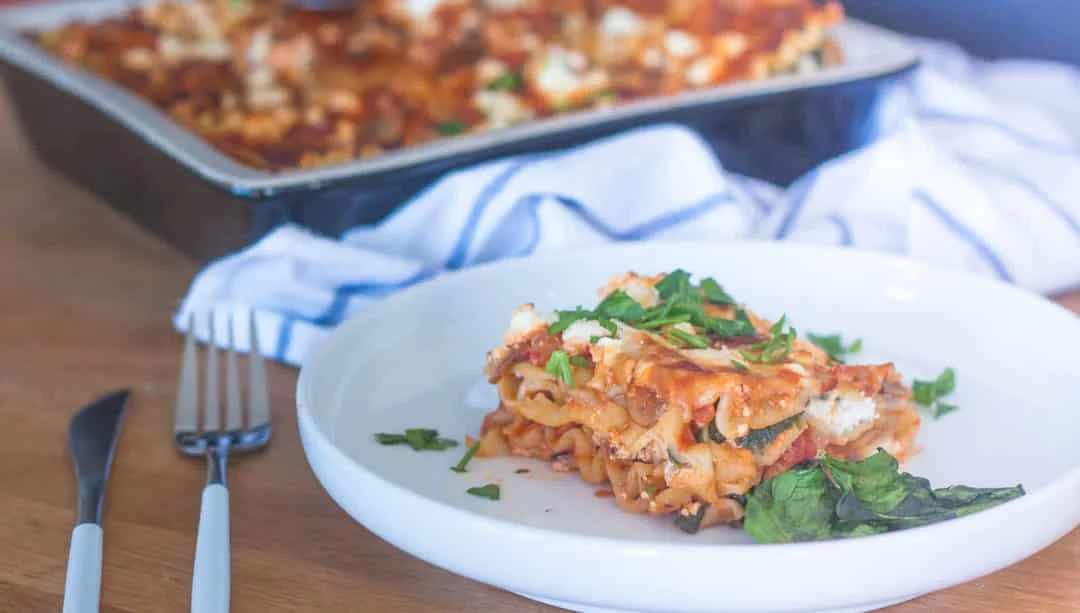
This vegetarian lasagna layers a savoury mushroom and tomato sauce with spinach, ricotta and mozzarella. It is a comforting oven-baked meal, with browned mushrooms bringing depth and a short rest helping the slices hold together.
Ingredients
- 500 gmushrooms, sliced (a mix of two varieties is suggested)
- 2onions, finely chopped
- 2 clovesgarlic, finely chopped
- 125 mlwhole tomato sauce
- 45 ml (3 tablespoons)tomato purée
- 120 ml (½ cup)water
- 15 ml (1 tablespoon)dried thyme
- 15 ml (1 tablespoon)dried basil
- 5 ml (1 teaspoon)dried chilli flakes
- 10 ml (2 teaspoons)light brown sugar
- To tastesalt and pepper
- 400 gfresh or frozen spinach
- 300 gricotta
- 300 gmozzarella, briefly frozen for 10 minutes, then finely grated
- As neededlasagne sheets
- A littleolive oil, to stop the sheets sticking
Instructions
- 1
Brown the mushrooms
Heat a little olive oil in a pan over medium-high heat. Add the mushrooms and leave them undisturbed as much as possible while they cook; once they have shrunk, season with salt and continue cooking until browned.
- 2
Make the sauce
Add the onions and garlic and cook for about 2–3 minutes. Stir in the tomato sauce and tomato purée, then add the water, thyme, basil, chilli flakes, brown sugar, salt and pepper. Reduce the heat to low and simmer for 30 minutes, tasting and adjusting the seasoning.
- 3
Prepare the spinach
Briefly blanch fresh spinach, then squeeze it thoroughly to remove excess water. If using frozen spinach, thaw it first and squeeze it dry.
- 4
Cook the sheets
Cook the lasagne sheets according to the packet instructions, for 7–11 minutes. Lay them separately on a tray and drizzle with olive oil to keep them from sticking together.
- 5
Layer the lasagne
Spread tomato sauce over the base of a baking dish and cover with lasagne sheets. Add ricotta, mozzarella and spinach, then another layer of sheets and the mushroom tomato sauce. Repeat the layers, leaving out the initial tomato base from the repetition, and finish with the remaining two cheeses on top. Cover with foil to keep the filling moist.
- 6
Bake and rest
Bake at 180°C for 25–30 minutes. Remove the foil and bake for a further 5–10 minutes, until the cheese is coloured; if it is not browning, raise the oven temperature to above 200°C. Leave the lasagne to cool for 10 minutes before cutting and serving.
What is vegetarian lasagne?
Lasagne is an Italian baked pasta dish made by stacking sheets with sauce and other fillings. This meat-free version uses mushrooms and tomato for a savoury, deeply flavoured filling, with spinach and two cheeses between the layers.
The recipe’s key idea is to build flavour by browning the mushrooms rather than simply simmering them in the sauce. Ricotta adds a soft, creamy layer, while mozzarella melts over the top.
Nutrition and macros by portion
The nutrition label shows one serving as written: 570 calories, 28g protein, 66g carbs, 22g fat.
| Portion | Adjustment | kcal | Protein | Carbs | Fat |
|---|---|---|---|---|---|
| Lighter | Less mozzarella, more spinach | 399 kcal | 20g | 46g | 15g |
| This serving | As written | 570 kcal | 28g | 66g | 22g |
| Hungry | Larger lasagne portion | 855 kcal | 42g | 99g | 33g |
The pasta sheets and brown sugar contribute most of the carbohydrates, while mozzarella, ricotta and olive oil account for much of the fat. Cheese, mushrooms and pasta provide protein, with spinach and mushrooms also adding fibre. Balance a serving with a leafy salad or other vegetables.
Build flavour with mushrooms
Browned mushrooms: cook them over medium-high heat and avoid stirring too often. They release moisture at first, so give that liquid time to cook off before expecting the mushrooms to colour.
Two varieties: the ingredient note suggests mixing mushroom types. Whichever you choose, slice them evenly so they cook at a similar pace.
Keep the filling from getting watery
Spinach: blanch fresh leaves or thaw frozen spinach, then squeeze out as much water as possible. This helps the layers stay cohesive instead of turning soggy.
Sauce: simmer the tomato mixture gently for 30 minutes, allowing it to reduce and concentrate. Taste it before assembling, since this is the main seasoning layer.
Cook and separate the pasta
Timing: follow the packet directions and cook the sheets for 7–11 minutes. Different brands and types can need different cooking times, so check the instructions rather than relying on appearance alone.
Prevent sticking: lay the cooked sheets out separately and drizzle them with olive oil. Handle them carefully as you build the dish so they stay in usable pieces.
Layer for an even bake
Start with sauce: coat the bottom of the dish before adding pasta so the first layer does not sit directly on the dry dish. Spread the ricotta, mozzarella and spinach across the sheets, then add another pasta layer and mushroom sauce.
Cover first: keep the lasagne under foil for the initial bake, then uncover it so the cheese can brown. The final 5–10 minutes are for colour, so check it as it cooks.
Let it rest before serving
After baking, leave the lasagne to stand for 10 minutes before cutting. This brief rest lets the layers settle and makes portions easier to lift.
Serve it with a crisp green salad or simply dressed vegetables for a fresh contrast to the rich cheese and tomato sauce.
Recipe notes & tips
- Use medium-high heat for the mushrooms so they brown rather than steam.
- Wait until the mushrooms have shrunk before salting them, as directed.
- Squeeze blanched or thawed spinach very thoroughly.
- Keep cooked lasagne sheets separate with a little olive oil.
- Check the packet for the right cooking time for your pasta sheets.
- Rest the baked lasagne for 10 minutes before slicing.
Variations
- Mix the mushrooms: use two types for a variety of savoury flavours.
- Adjust the heat: reduce the chilli flakes for a milder sauce.
- Use frozen spinach: thaw it fully and squeeze it dry before layering.
- Add herbs: vary the balance of dried thyme and basil to suit your taste.
- Choose pasta sheets: use fresh or dried lasagne sheets, following their packet directions.
Common mistakes to avoid
- Crowding the mushrooms: they can release moisture without browning; cook them in batches if the pan is too full.
- Stirring too often: the mushrooms have less chance to colour; leave them undisturbed between turns.
- Leaving spinach wet: excess liquid can make the lasagne soggy; squeeze it out well.
- Skipping the oil on the pasta: sheets can stick together; drizzle them after cooking and keep them apart.
- Uncovering too early: the top can brown before the filling is ready; bake covered for the first 25–30 minutes.
- Cutting straight from the oven: the layers may slide apart; let the dish stand for 10 minutes.
How to store
Cool leftovers, cover or transfer to an airtight container, and refrigerate for up to 3 days. Reheat portions in the oven until hot throughout, covering them if the top is browning too quickly.
Frequently asked questions
Can I use frozen spinach?
Yes. Thaw it first and squeeze it thoroughly to remove excess water before layering.
Do I need to cook the lasagne sheets first?
This method cooks them for 7–11 minutes before assembly. Follow the packet instructions for your particular sheets.
Why are my mushrooms not browning?
They may still be releasing moisture or the pan may be crowded. Keep the heat at medium-high, avoid frequent stirring and cook in batches if needed.
How can I stop the pasta sheets sticking together?
Lay them out separately after cooking and drizzle with olive oil, as the recipe directs.
How do I know when the lasagne is ready?
Bake it covered at 180°C for 25–30 minutes, then uncover and bake for 5–10 minutes until the cheese is coloured.
Can I assemble it ahead of time?
The method does not specify make-ahead storage. For the best result, assemble and bake it as directed, then refrigerate any leftovers once cool.
Cook it from the original
This recipe comes from ciao.kitchen. Their page has the author’s own photos, notes and tips — the best place to cook it from.
Open the recipe on ciao.kitchen