
Portuguese Sweet Bread
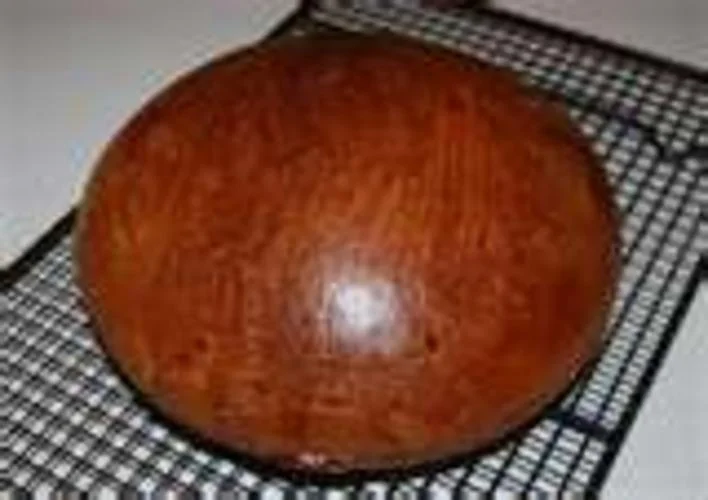
Portuguese sweet bread is a rich, gently sweet loaf made with eggs, butter, milk and yeast. Serve it with coffee, or alongside soups and stews when you want a soft, substantial bread.
Ingredients
- 6eggs, at room temperature
- 300 g (1½ cups)sugar
- 2 packetsyeast, dissolved in warm water
- 1 tsp (5 ml)salt
- 1 tsp (5 ml)shortening
- 907 g (2 lb)flour
- 113 g (½ cup)butter
- 240 ml (1 cup) evaporated milk, combined with 240 ml (1 cup) waterevaporated milk and water
Instructions
- 1
Measure ingredients
Measure out all the ingredients before you begin.
- 2
Combine dry ingredients
Mix the flour and salt with the butter and shortening.
- 3
Add sugar
Stir the sugar into the flour mixture.
- 4
Add eggs
Add the eggs to the mixture.
- 5
Add yeast
Mix in the yeast dissolved in warm water.
- 6
Add milk mixture
Gradually add the evaporated milk combined with 240 ml (1 cup) water.
- 7
Knead and rise
Mix and knead the dough, shape it into loaves, then cover and leave it to rise away from draughts.
- 8
Bake the loaves
Bake at 120°C (250°F) for 1 hour.
What is Portuguese sweet bread?
Portuguese sweet bread is an enriched yeast bread, with eggs, sugar, butter and milk giving it a softer, richer character than a plain loaf. Sweet breads are part of Portuguese baking traditions, though recipes and shapes vary from family to family.
This version uses a generous amount of egg and sugar and is made as loaves, so it can be sliced for breakfast or served with a savoury meal. Its slow rise helps the dough develop before baking.
Nutrition and macros by portion
The nutrition label shows one serving as written: 1510 calories, 37g protein, 255g carbs, 35g fat.
| Portion | Adjustment | kcal | Protein | Carbs | Fat |
|---|---|---|---|---|---|
| Lighter | Serve a smaller slice | 1057 kcal | 26g | 179g | 25g |
| This serving | As written | 1510 kcal | 37g | 255g | 35g |
| Hungry | Serve a larger slice | 2265 kcal | 56g | 383g | 53g |
Flour and sugar provide most of the carbohydrates, while the eggs contribute protein and the butter, shortening, eggs and evaporated milk supply much of the fat. This is a substantial bread serving; pair a smaller slice with soup or stew and vegetables for a more balanced plate.
The enriched dough
Flour and salt: these form the dough’s structure and season it. Measure the flour carefully so the dough does not become unnecessarily stiff.
Butter and shortening: work them into the flour mixture as directed. The recipe uses both, giving the loaf its distinctive enriched dough.
Eggs and sugar: add richness and sweetness. Room-temperature eggs are easier to incorporate into the mixture.
Adding the liquids
Yeast: dissolve it in warm water as the ingredient list specifies. Water that is too hot can damage the yeast, so use comfortably warm rather than hot water.
Milk mixture: combine the evaporated milk with the stated cup of water, then add it gradually. This lets you work the liquid into the dough without pouring it all in at once.
Kneading and shaping
Knead the dough until it holds together and feels more cohesive. The method does not specify a kneading time, so use the dough’s texture rather than a fixed duration as your guide.
Shape the dough into loaves and cover them while they rise. Keep them away from draughts, as the recipe advises, and allow enough room for expansion.
Rise and doneness cues
Rising: the recipe gives no rise time, so watch the dough rather than relying on the total recipe time alone. It should visibly expand before baking.
Baking: the specified oven setting is 120°C (250°F) for 1 hour. Because loaf size and ovens vary, check that the loaves are baked through before taking them out.
How to serve it
For breakfast, serve slices with coffee, as suggested in the recipe description. The bread is also intended to accompany soups and stews.
Its sweetness makes it a useful contrast to savoury dishes. Let the loaf cool enough to slice cleanly, then serve it plain or with butter.
Recipe notes & tips
- Bring the eggs to room temperature before mixing.
- Add the milk-and-water mixture gradually, as directed.
- Cover the shaped loaves while they rise and keep them away from draughts.
- Use warm, not hot, water to dissolve the yeast.
- Leave the baked loaves to settle before slicing for neater pieces.
Variations
- Citrus aroma: add finely grated lemon or orange zest for a fragrant loaf.
- Spiced dough: mix in a little ground cinnamon for a warm flavour.
- Raisin loaf: fold raisins into the dough before shaping.
- Small loaves: divide the dough into smaller portions and check them earlier, as baking time may change.
- Breakfast slices: toast leftover slices and serve them with butter.
Common mistakes to avoid
- Hot yeast water: very hot water can harm the yeast; use water that feels warm, not hot.
- Adding liquid all at once: the dough may be harder to mix evenly; pour in the milk mixture gradually.
- Draughty rising spot: the dough may rise unevenly; cover it and choose a sheltered place.
- Skipping the rise: baking before the dough has visibly expanded can produce a dense loaf; allow it time to rise.
- Assuming the oven setting: the recipe’s 250 degrees is treated here as 250°F, or 120°C; check your oven scale before baking.
How to store
Once completely cool, keep the bread covered at room temperature and use within 2–3 days. Rewarm slices briefly in a low oven or toast them; freeze extra slices in a sealed freezer bag for longer storage.
Frequently asked questions
How long should the dough rise?
The recipe does not give a rise time. Keep it covered and away from draughts until it has visibly expanded.
What does 250 degrees mean in this recipe?
This recipe is interpreted as 250°F, which is about 120°C. Check that your oven is set to the correct scale.
Can I use ordinary milk instead of evaporated milk?
Evaporated milk is the ingredient specified, and replacing it will change the richness of the dough. For the closest result, use evaporated milk.
How do I know when the bread is baked?
The recipe specifies 1 hour at 120°C (250°F), but does not give another doneness test. Check that the loaves are baked through before removing them.
Can I make this into smaller loaves?
Yes, you can shape the dough into smaller loaves. Smaller loaves may bake faster, so check them before the full hour has passed.
Cook it from the original
This recipe comes from cookinghawaiianstyle.com. Their page has the author’s own photos, notes and tips — the best place to cook it from.
Open the recipe on cookinghawaiianstyle.com