
Lemon Yoghurt Cake (Gâteau au Yaourt au Citron)
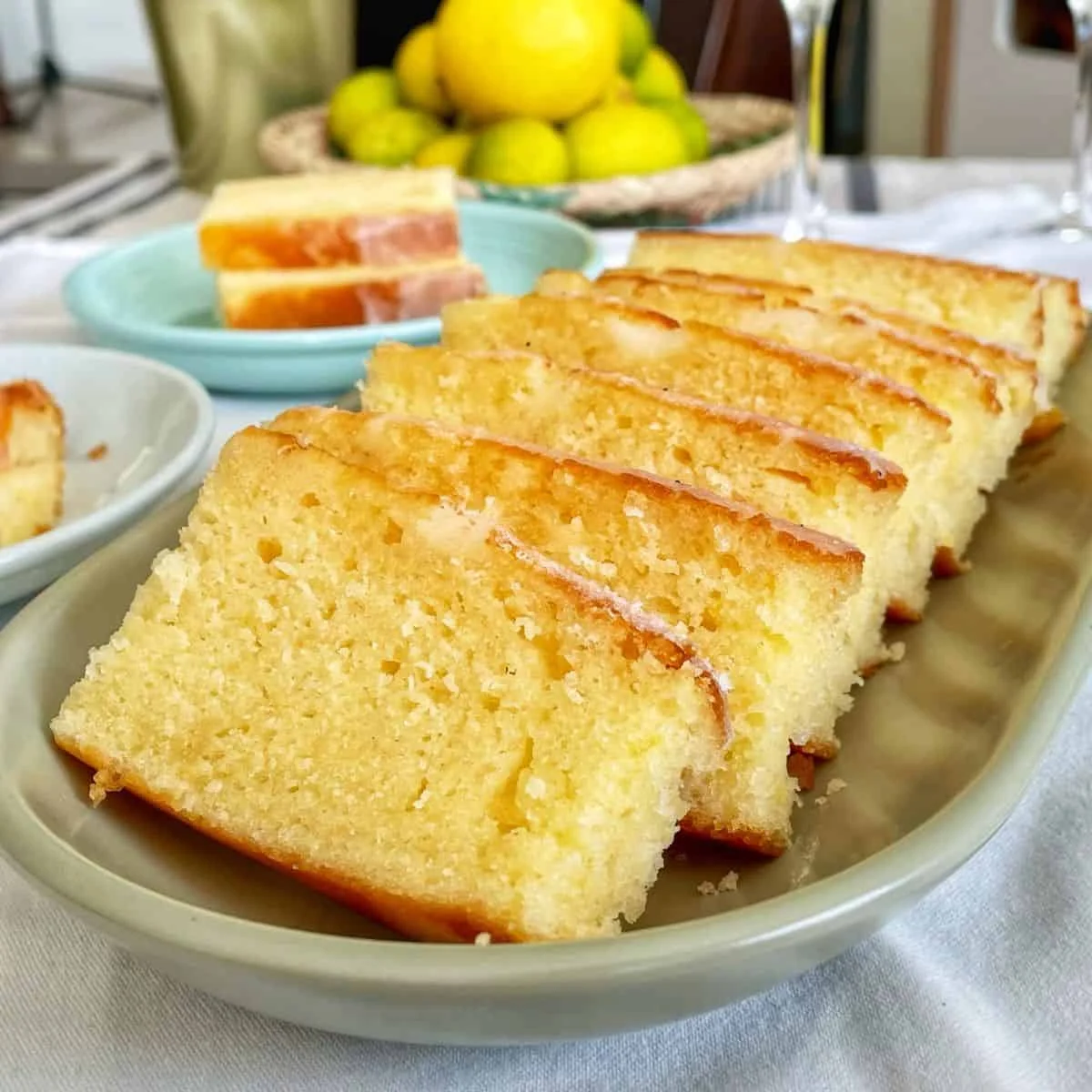
This French lemon yoghurt cake uses the yoghurt pot to measure the other ingredients, so you can mix it without scales. It is an easy bake for tea or coffee, with lemon in both the zest and juice for a fresh citrus flavour.
Ingredients
- 1 containeryoghurt (keep the container for measuring)
- 2 containerswhite sugar
- 3medium or large eggs
- 1 containersunflower oil
- 1 lemonzest
- 1 lemonjuice
- 1 tspvanilla sugar or vanilla extract
- 3 containersplain flour
- 2 tspbaking powder
- 1 pinchsalt
Instructions
- 1
Preheat the oven
Heat the oven to 180°C (350°F), using the top-and-bottom heat setting.
- 2
Prepare the tin
Grease a cake tin or loaf tin and line it with baking paper. Choose a tin size to suit the size of your yoghurt container.
- 3
Measure the base
Tip the yoghurt into a large bowl. Use its container to measure in the sugar twice and the sunflower oil once.
- 4
Whisk the flavourings
Add the eggs, lemon zest, lemon juice and vanilla sugar or extract. Whisk until combined.
- 5
Add the flour
Measure the flour using the yoghurt container and add three containerfuls to the bowl.
- 6
Finish the batter
Add the baking powder and salt, then stir until the ingredients are combined.
- 7
Bake and cool
Pour the batter into the prepared tin and bake on the centre rack for 35–40 minutes. Leave the cake in the tin for 10 minutes, then turn it out onto a wire rack to cool completely.
- 8
Serve the cake
Serve with tea or coffee. If using a glaze, mix equal parts lemon juice and icing sugar, then spoon it over the cake only once it has cooled completely.
What is gâteau au yaourt?
Gâteau au yaourt is a familiar French home-baking cake named for its yoghurt, which also serves as the measuring pot. The method is straightforward and does not require weighing the ingredients.
This version pairs yoghurt with sunflower oil for a moist crumb, while lemon zest and juice bring a clear citrus note. It is baked as a simple everyday cake rather than a layered dessert.
Nutrition and macros by portion
The nutrition label shows one serving as written: 104 calories, 2g protein, 14g carbs, 5g fat.
| Portion | Adjustment | kcal | Protein | Carbs | Fat |
|---|---|---|---|---|---|
| Lighter | Smaller cake slice | 73 kcal | 1g | 10g | 3g |
| This serving | As written | 104 kcal | 2g | 14g | 5g |
| Hungry | Larger cake slice | 156 kcal | 2g | 21g | 7g |
The supplied nutrition figures are per serving. In the cake, flour and sugar provide most of the carbohydrates, while sunflower oil contributes most of the fat; eggs and yoghurt provide some protein. Pair a slice with fruit or plain yoghurt if you want a more balanced snack.
The yoghurt-pot measure
Keep the container: empty the yoghurt into the mixing bowl, then use the pot to measure the sugar, oil and flour. Fill it consistently each time, without compressing the flour.
Container sizes vary, so the tin should suit the amount of batter your pot produces. The recipe does not specify a particular tin size; use one that gives the batter room to rise without coming close to the rim.
Lemon and yoghurt
Lemon zest: grate only the yellow outer layer, avoiding the bitter white pith. Zest the lemon before juicing it.
Yoghurt: use plain yoghurt and scrape all of it into the bowl. It gives the cake its characteristic tang and helps keep the crumb tender.
Mixing the batter
Wet ingredients: whisk the yoghurt, sugar, oil, eggs, lemon and vanilla until they are evenly combined. There is no need to beat them until fluffy.
Flour: add it in the three measured portions, then stir in the baking powder and salt. Stop mixing as soon as no dry flour remains to avoid a tougher crumb.
Baking cues
Oven position: bake the tin on the centre rack at 180°C with top-and-bottom heat. The stated baking time is 35–40 minutes, but the tin's shape and size can affect how quickly the centre sets.
Cooling: leave the cake in its tin for 10 minutes before turning it out. Let it cool fully on a wire rack before adding glaze, so the topping does not melt straight off.
Serving ideas
Serve slices with tea or coffee, as suggested in the recipe. The lemon flavour also works well alongside plain yoghurt or fresh fruit.
For a simple finish, the optional glaze uses equal parts lemon juice and icing sugar. Add it only after the cake has cooled completely.
Recipe notes & tips
- Keep the yoghurt container until all the pot measurements are complete.
- Zest the lemon before cutting and juicing it.
- Measure flour loosely rather than packing it into the container.
- Line the tin as well as greasing it to make the cake easier to turn out.
- Cool the cake completely before spooning on the optional glaze.
Variations
- Lemon glaze: Mix equal parts lemon juice and icing sugar and spoon it over the fully cooled cake.
- Vanilla extract: Use vanilla extract instead of vanilla sugar, as allowed in the recipe.
- Citrus twist: Replace the lemon zest and juice with orange for a different citrus flavour.
- Plain finish: Leave off the glaze and serve the cake as baked.
- Loaf shape: Bake the batter in a lined loaf tin, choosing a size suited to the yoghurt container.
Common mistakes to avoid
- Losing the measure: Keep the yoghurt pot beside the bowl and use it for each stated container measure.
- Packing the flour: Fill the container lightly so the flour is not compressed.
- Overmixing: Stop stirring once the flour is incorporated to help keep the crumb tender.
- Turning out too soon: Leave the cake in the tin for 10 minutes before transferring it to a rack.
- Glazing while warm: Wait until the cake is fully cool so the glaze stays on top.
How to store
Once completely cool, store the cake in an airtight container at room temperature and eat within 3 days. If you have glazed it, store it the same way and allow the icing to set before covering. Serve at room temperature, or warm a slice briefly if you prefer.
Frequently asked questions
Can I use vanilla extract instead of vanilla sugar?
Yes. The recipe allows either vanilla sugar or vanilla extract; use one in the same step.
How do I know the cake is baked?
Bake it for 35–40 minutes on the centre rack as directed. Check that the centre is set before taking it out, as tin size and shape can affect the timing.
Can I use a loaf tin?
Yes. The recipe allows either a cake tin or loaf tin, lined with baking paper. Choose a tin that suits the amount of batter made with your yoghurt container.
Can I add the glaze before the cake cools?
No. Let the cake cool completely first, then spoon over the glaze made from equal parts lemon juice and icing sugar.
Why does this recipe use a yoghurt container for measuring?
The container acts as the measure for the sugar, oil and flour, so you do not need scales. Keep it after emptying the yoghurt and use the same pot throughout.
Cook it from the original
This recipe comes from butfirstchai.com. Their page has the author’s own photos, notes and tips — the best place to cook it from.
Open the recipe on butfirstchai.com