
Kalathappam Recipe (Small Batch Cooker Appam)
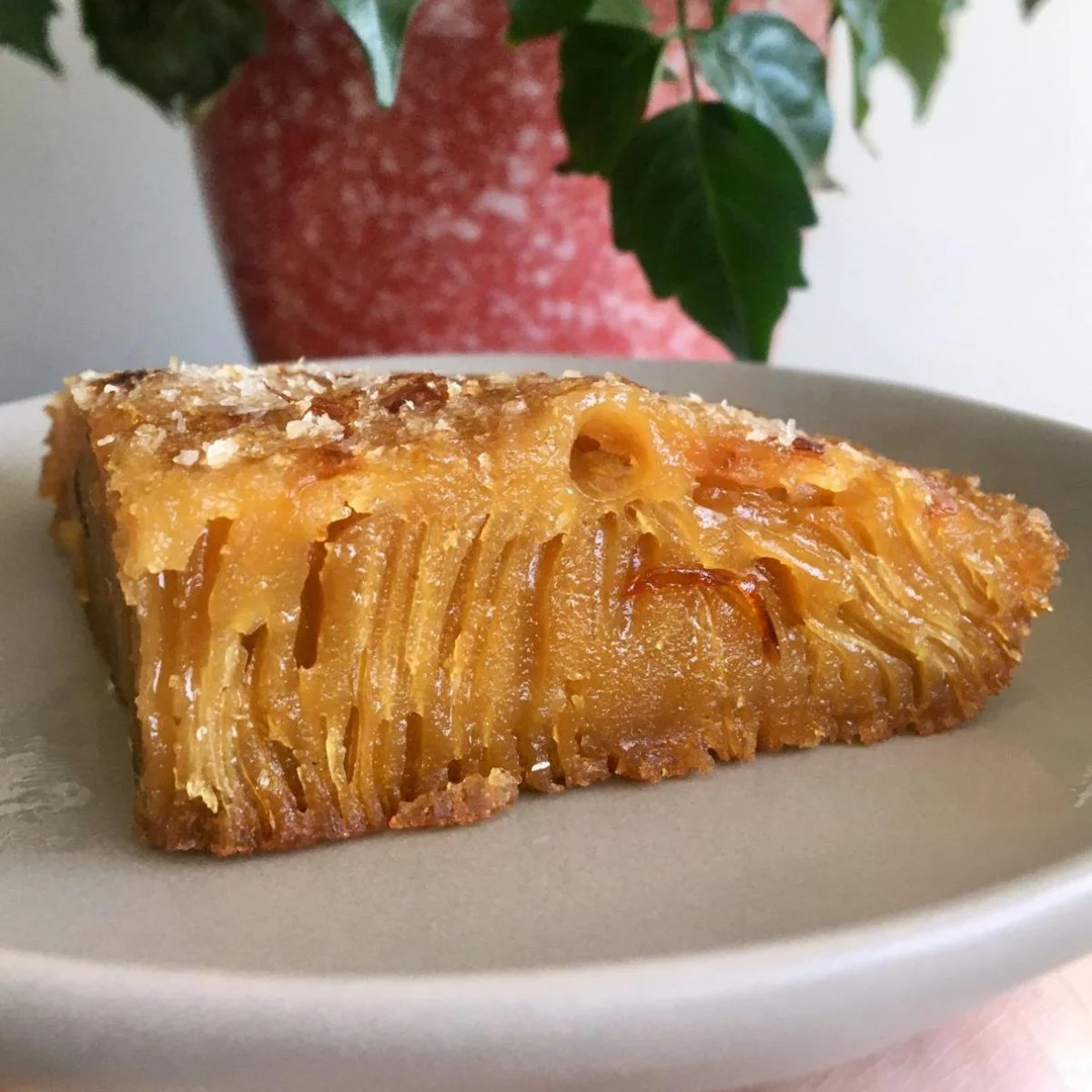
Kalathappam is a Malabar sweet rice cake cooked in a small pressure-cooker pot, with jaggery, cardamom, coconut and fried shallots. Its soft centre and browned, crusted edges make it a lovely choice with chai.
Ingredients
- 95 g (½ cup)raw rice, soaked overnight and drained
- 1 tablespoon (about 15 g)cooked rice
- ¼ teaspoonground cardamom
- ¼ teaspooncumin seeds
- 120 ml (½ cup)water
- to tastesalt
- 1 pinchbicarbonate of soda
- 150 g (2–3 blocks)jaggery (cane sugar)
- 60 ml (¼ cup)water
- 30 ml (2 tablespoons)coconut oil
- 3–4mini shallots
- 2 tablespoonscoconut slices
Instructions
- 1
Grind the rice
Put the drained rice, cooked rice, cardamom and cumin in a mixer grinder. Blend to a smooth batter, starting with 60 ml (¼ cup) of the water and adding the rest gradually as needed.
- 2
Melt the jaggery
Warm the jaggery with 60 ml (¼ cup) water in a small saucepan over a medium heat until fully dissolved. Turn off the heat and keep the mixture warm.
- 3
Fry the toppings
Heat the coconut oil in a 2-litre pressure-cooker pot. Fry the finely diced shallots until lightly golden, then lift them out and set aside. Fry the coconut slices until lightly crisp and set them aside too. Turn the heat down to low while you finish preparing the batter.
- 4
Mix the batter
Pour the warm jaggery mixture in a thin stream into the rice batter, stirring continuously as you do so. Mix in salt to taste and a pinch of bicarbonate of soda.
- 5
Heat the cooker
Add a little more coconut oil to the pot if needed. Turn the heat up to medium-high and let the pot heat thoroughly; check the heat by holding your palm above it.
- 6
Add the toppings
Carefully pour the batter from a height into the hot pot. Scatter over the fried shallots and coconut. Cover with the heavy lid, remembering to remove the pressure regulator.
- 7
Cook and rest
Cook over a high heat for 1 minute, then turn the heat down to low and cook for 15–18 minutes. Turn off the heat and take the pot off the hob, but leave it covered for a further 15 minutes.
- 8
Turn out and serve
Remove the lid and gently loosen the kalathappam with a spatula, or carefully turn it out. Slice to serve. Keep any leftovers in an airtight container.
What is kalathappam?
Kalathappam is a traditional sweet rice cake associated with Malabar, in Kerala. This small-batch version is cooked in a pressure-cooker pot rather than baked in a large pan.
Jaggery sweetens the rice batter, while cardamom and cumin bring warm, fragrant notes. Fried shallots and coconut on top give the cake its distinctive sweet-and-savoury character.
Nutrition and macros by portion
The nutrition label shows one serving as written: 315 calories, 3g protein, 58g carbs, 9g fat.
| Portion | Adjustment | kcal | Protein | Carbs | Fat |
|---|---|---|---|---|---|
| Lighter | Smaller slice, less oil | 221 kcal | 2g | 41g | 6g |
| This serving | As written | 315 kcal | 3g | 58g | 9g |
| Hungry | Larger slice | 473 kcal | 4g | 87g | 13g |
Most of the carbohydrate in a serving comes from the rice and jaggery, while coconut oil and coconut contribute much of the fat. The rice provides some protein, with a smaller amount from the other ingredients. Balance a slice with plain yoghurt or fresh fruit for a more varied plate.
Build a smooth rice batter
Soaked rice: drain it well before grinding so you can control the batter’s consistency. Begin with the stated 60 ml of water, then add the remainder gradually while blending.
Cooked rice: this goes into the grinder with the raw rice and helps form a cohesive batter. Blend until smooth rather than leaving noticeable grains.
Add the jaggery carefully
Warm syrup: dissolve the jaggery fully, then keep it warm while you prepare the batter. A thin stream and constant stirring help it combine evenly with the rice mixture.
Seasoning: add the salt and bicarbonate of soda after mixing in the jaggery. The salt helps round out the sweetness, while the soda is used in the recipe to lighten the batter.
Fry the shallots and coconut
Shallots: dice them finely and fry until just lightly golden, then remove them from the pot. They will continue cooking a little from residual heat, so avoid taking them too dark.
Coconut: fry the slices separately until lightly crisp. Keeping the toppings aside until the batter is ready helps them retain their texture.
Manage the cooker heat
Hot pot: heat the pot well over medium-high before pouring in the batter. Pouring from a height is part of the method and helps the batter spread into the hot pot.
Low finish: cook for 1 minute on high, then reduce to low for 15–18 minutes. The covered 15-minute rest off the heat is also part of the cooking time, so leave the lid closed.
Check the texture before serving
The aim is a soft, spongy cake with a more set, browned crust. The recipe gives a cooking range rather than a separate doneness test, so follow the stated timing and keep the pot covered during the rest.
Use a spatula to loosen the edges gently before removing the cake. A careful turn-out can help preserve the crust and keep the cake in one piece.
Serve it with chai
Kalathappam works well as a sweet snack alongside chai, as suggested in the recipe description. Cut it into slices and serve once it has been loosened from the pot.
For a more substantial plate, pair a slice with plain yoghurt or fresh fruit. These simple sides complement the sweet, spiced cake without competing with its toppings.
Recipe notes & tips
- Soak the rice overnight as directed, then drain it before grinding.
- Add the grinding water gradually so the batter reaches a smooth consistency without becoming unnecessarily thin.
- Stir continuously while pouring in the warm jaggery mixture.
- Fry the shallots and coconut separately so you can remove each when it reaches the desired colour.
- Remove the pressure regulator before covering the cooker pot.
- Keep the lid closed during the 15-minute rest after cooking.
Variations
- More cardamom: increase the cardamom slightly for a more pronounced fragrant note.
- Extra coconut: scatter additional crisp coconut slices over the top before cooking.
- Less jaggery: reduce the jaggery for a less sweet cake, keeping in mind this changes the recipe’s balance.
- Shallot-free: leave out the fried shallots for a sweeter, simpler topping.
- Cumin-free: omit the cumin seeds if you prefer the cardamom and jaggery to stand out more.
Common mistakes to avoid
- Adding all the water at once: blend with the first 60 ml, then add the remaining water gradually.
- Lumpy jaggery: dissolve it completely in the water before combining it with the batter.
- Pouring in the syrup too quickly: add it in a thin stream while stirring continuously.
- Over-frying the toppings: remove the shallots when lightly golden and the coconut when lightly crisp.
- Forgetting the regulator: take the pressure-cooker weight off before covering the pot.
- Opening the lid too soon: leave the covered pot undisturbed for 15 minutes after cooking.
How to store
Keep leftover kalathappam in an airtight container. The recipe does not specify a storage duration; refrigerate leftovers and reheat gently before serving.
Frequently asked questions
Why does the rice need to soak overnight?
The recipe calls for overnight soaking before grinding. Drain the rice well before adding it to the mixer.
How much water should I use to grind the rice?
Start with 60 ml (¼ cup), then add the rest of the 120 ml gradually as needed to make a smooth batter.
Do I leave the pressure regulator on?
No. Remove the regulator before covering the pot, as specified in the method.
How long does kalathappam cook?
Cook it for 1 minute on high, then 15–18 minutes on low. Turn off the heat and leave it covered for another 15 minutes.
Can I make the batter ahead?
The recipe does not give make-ahead instructions for the prepared batter. It does specify soaking the raw rice overnight, so plan for that in advance.
How should I serve kalathappam?
Slice it and serve with chai. Its sweet and savoury flavours also work with a simple side such as plain yoghurt or fresh fruit.
Cook it from the original
This recipe comes from butfirstchai.com. Their page has the author’s own photos, notes and tips — the best place to cook it from.
Open the recipe on butfirstchai.com