
Pork and Wintermelon
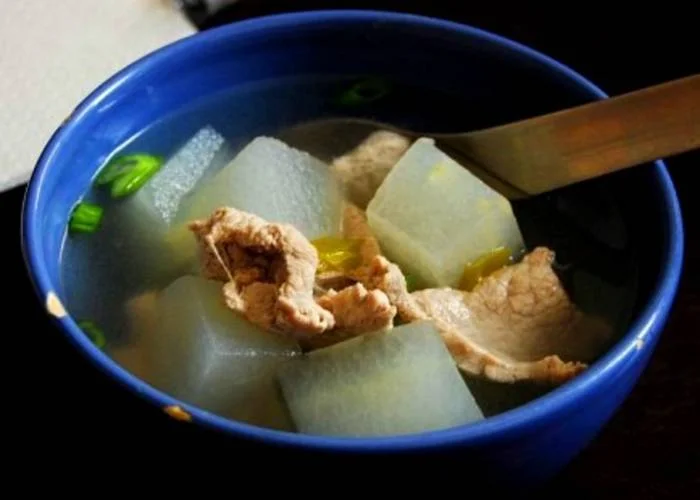
This Hawaiian-style pork and wintermelon dish pairs tender strips of pork with soft, translucent wintermelon in a lightly sweet, savoury sake and shoyu mixture. It keeps the flavours of a comforting soup while serving the ingredients without the broth.
Ingredients
- 454 g (1 lb)boneless pork, cut into 2.5 cm (1-inch) strips
- 120 ml (½ cup)sake
- 120 ml (½ cup), as neededwater
- 907 g (2 lb)wintermelon, cubed
- 30 ml (2 tbsp)vegetable oil
- 30 ml (2 tbsp)Aloha shoyu
- 30 ml (2 tbsp)mirin
- 30 ml (2 tbsp)sugar
- A dashwhite pepper
Instructions
- 1
Brown the pork
Heat a large pot over medium-high heat and brown the pork on all sides.
- 2
Simmer until tender
Add the sake and enough water to cover the pork. Bring to the boil, lower the heat and simmer for 20 minutes, or until the pork is tender.
- 3
Reserve the liquid
Drain the pork, reserving 60 ml (¼ cup) of the cooking liquid.
- 4
Stir-fry the melon
Heat the vegetable oil in a large skillet over medium-high heat. Stir-fry the wintermelon until translucent, about 6 minutes.
- 5
Add the seasonings
Add the pork, shoyu, mirin, sugar and white pepper, and cook until heated through.
- 6
Adjust the consistency
Add the reserved liquid as needed to reach the consistency you want.
- 7
Serve six portions
Serve the dish in 6 portions.
What is pork and wintermelon?
Wintermelon, also called wax gourd, has a mild flavour and softens as it cooks. It is used in soups and other home-style dishes across parts of Asia, and is familiar in Hawaii’s varied food traditions.
This version takes its cue from pork and wintermelon soup but keeps the ingredients rather than serving them in a bowl of broth. Browning the pork and glazing the melon with shoyu, mirin and sugar gives the dish a savoury-sweet finish.
Nutrition and macros by portion
The nutrition label shows one serving as written: 245 calories, 23g protein, 17g carbs, 11g fat.
| Portion | Adjustment | kcal | Protein | Carbs | Fat |
|---|---|---|---|---|---|
| Lighter | Use less oil | 172 kcal | 16g | 12g | 8g |
| This serving | As written | 245 kcal | 23g | 17g | 11g |
| Hungry | Add steamed rice | 368 kcal | 35g | 26g | 17g |
Pork supplies most of the protein and a substantial share of the fat; vegetable oil adds further fat, while the wintermelon and sugar contribute carbohydrates. Serve a portion with steamed rice and a side of greens for a more balanced plate.
Build flavour with the pork
Browning first: Give the pork room in the pot so its surfaces can colour instead of immediately steaming. Work in batches if the pieces do not fit in a single layer.
Sake simmer: The sake and water cook the pork until tender, while the reserved cooking liquid later loosens the finished dish. Keep enough water in the pot to cover the meat.
Cook the wintermelon to the right point
Translucent pieces: Stir-fry the melon for about 6 minutes, watching for it to turn translucent. That visual cue signals that it has softened without needing to be cooked until it falls apart.
Gentle handling: Wintermelon becomes delicate as it cooks, so stir carefully when combining it with the pork and seasonings.
Balance the seasoning
Shoyu and mirin: Shoyu brings savouriness, while mirin and sugar add sweetness. The white pepper provides a light, warm note without changing the dish’s colour.
Adjust at the end: Add the reserved cooking liquid a little at a time. Stop once the mixture is as loose or concentrated as you prefer.
Keep the timing on track
Pork first: The pork needs 20 minutes of simmering, so start with it before preparing the melon for the skillet. Check tenderness at the end of that time rather than relying on the clock alone.
Finish together: The melon takes about 6 minutes to become translucent, followed by just enough time to heat the pork and seasonings through.
How to serve it
Rice pairing: Serve with steamed rice to catch the savoury-sweet juices and make the meal more substantial.
Fresh contrast: A simple salad or lightly dressed greens can balance the soft texture of the pork and melon without competing with their seasoning.
Recipe notes & tips
- Cut the wintermelon into similarly sized cubes so the pieces cook at a similar rate.
- Brown the pork in batches if the pot is crowded.
- Reserve the cooking liquid before adding the pork to the skillet.
- Stir the melon gently once it starts to soften.
- Add reserved liquid gradually so the finished dish does not become too soupy.
Variations
- Add ginger: Stir in a little sliced ginger with the pork and seasonings for a fragrant note.
- Use chicken: Replace the pork with boneless chicken pieces and cook until tender.
- Add mushrooms: Stir sliced mushrooms into the skillet with the wintermelon.
- Increase the pepper: Add extra white pepper at the end for a more noticeable warmth.
- Serve with rice: Spoon the pork and melon over steamed rice to make it a fuller meal.
Common mistakes to avoid
- Crowding the pot: The pork can steam instead of browning; brown it in batches if needed.
- Boiling hard: A vigorous boil can make the pork less tender; reduce the heat after bringing the liquid to the boil.
- Overcooking the melon: It can lose its shape; stop stir-frying when it turns translucent.
- Discarding all the liquid: The reserved cooking liquid helps adjust the final consistency; measure it out before draining.
- Adding all the liquid at once: The dish may become too loose; add it gradually and stop when the texture suits you.
How to store
Refrigerate leftovers in an airtight container for up to 3 days. Reheat gently in a covered pan or in the microwave, adding a splash of water if the mixture seems dry.
Frequently asked questions
What is wintermelon?
Wintermelon, also known as wax gourd, is a large, mild-flavoured gourd that softens as it cooks. Peel it and remove the seeds before cubing if they are present.
Can I make this ahead?
Yes. Cook the dish, cool it promptly and refrigerate it in a sealed container. Reheat gently before serving.
How do I know when the pork is tender?
After the 20-minute simmer, check a piece with a fork. It should be easy to bite through; if it is still firm, continue simmering until tender.
Can I use a different type of shoyu?
Yes. Another soy sauce can be used, though its saltiness may differ from Aloha shoyu. Taste the dish before adding any extra seasoning.
How much reserved liquid should I add?
The recipe reserves 60 ml (¼ cup), but you may not need all of it. Add it gradually until the dish reaches your preferred consistency.
Cook it from the original
This recipe comes from cookinghawaiianstyle.com. Their page has the author’s own photos, notes and tips — the best place to cook it from.
Open the recipe on cookinghawaiianstyle.com