
Indonesian-style 'Masala Tea': Spiced Lemongrass Milk Tea
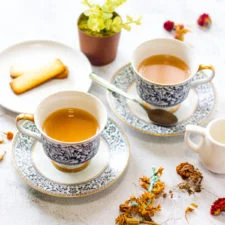
This quick milk tea is flavoured with lemongrass, cloves, cinnamon and cardamom, for a fragrant take on Indian-inspired spiced tea. It takes just 12 minutes to make and is served hot after straining.
Ingredients
- 100 mlwater
- 150 mlmilk
- 1 stalk, slicedlemongrass
- 2cloves
- ½ inchcinnamon
- 2cardamom pods
- 2 tsptea leaves
Instructions
- 1
Boil the spices
Bring the water to a boil in a pot. Add the sliced lemongrass, cloves, cinnamon and cardamom, then boil for 5 minutes.
- 2
Add milk and tea
Pour in the milk and add the tea leaves. Bring the mixture to a boil and cook for 3 minutes.
- 3
Strain and serve
Strain the tea into cups and serve.
What is Indonesian-style masala tea?
Masala tea is a milk tea infused with spices, associated with tea traditions across the Indian subcontinent. This version is inspired by Indian spiced teas and gives lemongrass a prominent place alongside familiar warming spices.
The short simmer lets the spices and tea flavour the water and milk without a long brewing time. Straining the drink makes each cup smooth and easy to sip.
Nutrition and macros by portion
The nutrition label shows one serving as written: 46 calories, 2g protein, 4g carbs, 3g fat.
| Portion | Adjustment | kcal | Protein | Carbs | Fat |
|---|---|---|---|---|---|
| Lighter | Use lower-fat milk | 32 kcal | 2g | 3g | 2g |
| This serving | As written | 46 kcal | 2g | 4g | 3g |
| Hungry | Serve with a snack | 69 kcal | 4g | 5g | 4g |
Most of the carbohydrates, protein and fat come from the milk, while the tea and spices contribute little energy in the small quantities used. Pair a cup with fruit or a simple savoury snack if you want a more substantial serving.
Choosing the ingredients
Lemongrass: Slice the stalk so its citrusy aroma can infuse the liquid. Bruising it lightly before slicing can help release its fragrance.
Tea leaves: Use a strong black tea if you want a classic, robust milk-tea flavour. Loose leaves are easy to strain, but tea from a broken tea bag works too.
Spices: Whole cloves and cardamom pods add their flavour gradually. A small piece of cinnamon keeps the blend warm without letting it dominate.
Getting the infusion right
Spice simmer: Start the lemongrass and whole spices in boiling water, as directed, and give them the full 5 minutes. This builds a fragrant base before the milk and tea go in.
Milk simmer: Once added, let the tea mixture boil for 3 minutes, keeping an eye on the pot so it does not boil over. Strain as soon as the steeping time is up to avoid a more bitter brew.
Texture and flavour cues
The finished tea should be hot and evenly coloured, with a rounded milkiness and a clear citrus-spice aroma. The recipe does not include a sweetener, so the flavour is not meant to be sugary.
Straining removes the leaves and whole spices, leaving a smooth drink. If the flavour seems too strong, add a little hot milk to the cup.
Timing and serving
The two simmering stages take 8 minutes altogether; allow a few more minutes to bring the water to a boil and strain the tea. Have the cups ready so it can be served hot.
Serve it on its own for a warming drink, or alongside a lightly sweet biscuit or a savoury snack. The fragrant spices pair well with simple foods that do not overpower the tea.
Adjusting the batch
For a stronger cup, use a tea with a robust flavour, but keep to the stated 3-minute boil as a starting point. The strength also depends on the tea leaves, so taste before serving.
To make more than two servings, scale up the ingredients together and use a pot with enough room for the milk to rise as it boils. Keep the same infusion stages and watch the pot closely.
Recipe notes & tips
- Slice the lemongrass thinly to help its aroma infuse.
- Keep the pot in view when the milk is boiling, as it can rise quickly.
- Use whole spices for an infusion that is easy to strain.
- Pour the tea through a fine sieve to catch small tea leaves.
- Warm the cups with hot water first if you want the tea to stay warm longer.
Variations
- Add sweetness: Stir sugar or honey into the strained tea to taste.
- Use fresh ginger: Add a few thin slices with the other whole spices for extra warmth.
- Try green cardamom: Lightly crush the pods before simmering to release more aroma.
- Change the tea: Choose a strong black tea for a fuller, more traditional milk-tea character.
- Make it dairy-free: Replace the milk with an unsweetened plant-based alternative that can be heated.
Common mistakes to avoid
- Skipping the first simmer: The spices need the full 5 minutes in water to infuse before the milk is added.
- Letting the milk boil over: Watch the pot closely during the final 3 minutes and lower the heat if it rises too fast.
- Leaving the tea to steep too long: Strain after the stated 3-minute boil to keep the flavour balanced.
- Using too much cinnamon: Keep to the ½-inch piece so it does not overwhelm the lemongrass and cardamom.
- Pouring without straining: Use a sieve to remove the tea leaves and whole spices before serving.
How to store
This tea is best served freshly made. If needed, refrigerate the strained tea in a covered container and use within 2 days; reheat gently in a saucepan without boiling it hard.
Frequently asked questions
Can I use tea bags instead of loose tea leaves?
Yes. Use tea from a broken tea bag or place the tea bag in the pot, then remove it when you strain the drink.
Can I sweeten the tea?
Yes, add sugar or honey to taste after straining. Sweetening is optional and is not included in the ingredient list.
Should I crush the cardamom pods?
You can leave them whole as written, or lightly crush them for a stronger aroma. Strain carefully either way.
Can I make this with plant-based milk?
Yes, use a plant-based milk suitable for heating. Keep an eye on it as some alternatives behave differently when brought to a boil.
Why is my tea bitter?
The tea may have boiled for longer than the stated 3 minutes or been left to steep in the pot. Strain it promptly after cooking.
Cook it from the original
This recipe comes from cookmeindonesian.com. Their page has the author’s own photos, notes and tips — the best place to cook it from.
Open the recipe on cookmeindonesian.com