
Instant Aval Dosa | Poha Dosa | Easy Aval Dosai Recipe
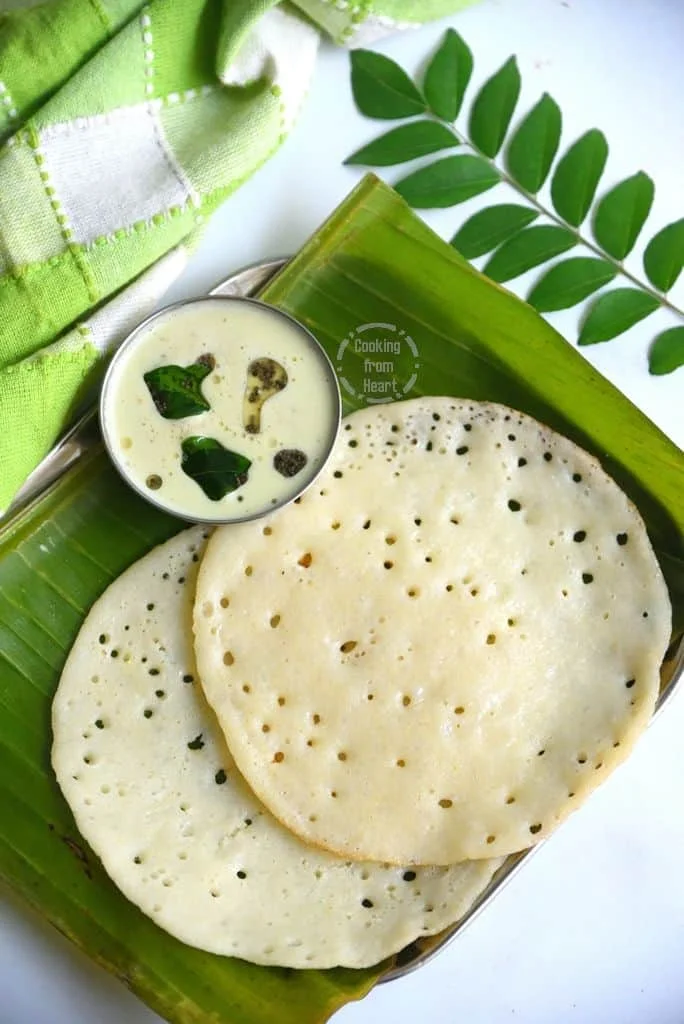
Instant aval dosa is a soft, lightly tangy South Indian dosa made from flattened rice, semolina and curd, with no rice or urad dal to soak overnight. It is a handy breakfast or light dinner, served hot with chutney or sambar.
Ingredients
- 150 g (1 cup)aval (thin poha or flattened rice)
- 80 g (1/2 cup)unroasted semolina
- 60 ml (1/4 cup)thick fresh curd
- 1 pinchbaking soda
- as neededsalt
- as neededwater
- as neededoil, for cooking the dosa
Instructions
- 1
Soak the ingredients
Put the aval and unroasted semolina in a bowl. Add enough water to cover them.
- 2
Check the aval
Leave to soak for 10–15 minutes, until the aval can be mashed between your fingers.
- 3
Blend the batter
Transfer the soaked mixture to a blender and grind to a smooth paste, adding water as needed.
- 4
Add curd and salt
Mix in the thick fresh curd and salt as needed.
- 5
Rest the batter
Leave the batter to rest for 10 minutes. Add water as needed to loosen it; it should not be too thick. If using baking soda, stir in a pinch just before cooking.
- 6
Pour the dosa
Heat a cast-iron tawa, then reduce the heat to medium. Pour a ladle of batter into the centre and gently flatten it without spreading it too much. Drizzle oil around the edges.
- 7
Cook until golden
Cover and cook over a medium flame for 1–2 minutes, until the dosa is cooked through and golden underneath.
- 8
Finish the dosas
Carefully lift off the dosa. Flipping it to cook the other side is optional. Repeat with the remaining batter.
- 9
Serve warm
Serve hot or warm with coconut chutney and tiffin sambar.
What is aval dosa?
Aval dosa, also called poha dosa or aval dosai, is a South Indian tawa-cooked pancake made with flattened rice. This Tamil Nadu-style version pairs aval with semolina and curd rather than using the usual rice-and-urad-dal batter.
The brief soak and blend make a smooth batter without a long fermentation. Curd gives it a gentle tang, while semolina helps it hold together on the tawa.
Nutrition and macros by portion
The nutrition label shows one serving as written: 93 calories, 2g protein, 15g carbs, 3g fat.
| Portion | Adjustment | kcal | Protein | Carbs | Fat |
|---|---|---|---|---|---|
| Lighter | Use less tawa oil | 65 kcal | 1g | 11g | 2g |
| This serving | As written | 93 kcal | 2g | 15g | 3g |
| Hungry | Serve an extra dosa | 140 kcal | 3g | 23g | 4g |
Most of the carbohydrates come from the aval and semolina, while the curd contributes a little protein and fat. Oil used on the tawa adds fat, and the amount absorbed can vary; pair a dosa with sambar and chutney for a more balanced plate.
The key ingredients
Aval: Thin flattened rice softens quickly, so check that it mashes easily after soaking before blending.
Semolina: Use it unroasted, as directed; it joins the aval in the batter and contributes to the dosa’s structure.
Curd: Thick, fresh curd adds flavour and moisture. Stir it in after blending the soaked ingredients.
Get the batter consistency right
Blend the soaked aval and semolina until the paste looks smooth, adding water in small amounts. After the 10-minute rest, check it again and loosen it if it seems too thick.
The batter should pour from a ladle but remain thick enough to gently flatten on the tawa. Add water gradually so it does not become runny.
Cook gently on the tawa
Heat the cast-iron tawa first, then bring the flame down to medium before adding batter. Pour in the centre and flatten gently rather than spreading it into a very thin dosa.
Cover the pan for 1–2 minutes. The bottom should be golden and the dosa cooked through before you lift it; flipping is optional.
When to add baking soda
The baking soda is optional, and the recipe calls for only a pinch. If using it, mix it in just before you start cooking rather than during the rest.
Stir it through the batter evenly, then cook the dosas without delay.
Serve with chutney and sambar
Serve the dosas hot or warm, while their edges are freshly cooked. Coconut chutney and tiffin sambar are the suggested accompaniments.
For a light meal, serve with chutney; add sambar when you want a more substantial plate.
Recipe notes & tips
- Soak until the aval is soft enough to mash between your fingers.
- Blend thoroughly for a smooth batter without grainy patches.
- Add water gradually after the rest so you can control the consistency.
- Keep the tawa at medium heat once it is hot.
- Use only a gentle hand when flattening the batter.
- Add the optional baking soda just before cooking.
Variations
- Skip the soda: Leave it out if you prefer; the recipe makes it optional.
- Adjust the salt: Season the batter to your taste before cooking.
- Serve with chutney: Pair the dosas with coconut chutney as suggested.
- Add sambar: Serve tiffin sambar alongside for a fuller meal.
Common mistakes to avoid
- Undersoaking the aval: Wait until it mashes easily between your fingers before blending.
- Adding too much water: Loosen the batter a little at a time so it stays pourable but not runny.
- Spreading too widely: Pour at the centre and flatten gently rather than making a thin dosa.
- Cooking over high heat: Reduce the flame to medium after heating the tawa.
- Adding soda early: If using it, stir in the pinch just before making the dosas.
How to store
Refrigerate leftover batter in a covered container and use it within 1–2 days. Stir it before cooking and add a little water if it has thickened; cooked dosas are best reheated briefly on a hot tawa.
Frequently asked questions
Does this dosa need fermentation?
No long fermentation is specified. The batter rests for 10 minutes before cooking.
Can I leave out the baking soda?
Yes. It is optional in this recipe, so you can omit it.
How do I know when the dosa is ready to lift?
After 1–2 minutes covered over medium heat, check that it is cooked through and golden underneath.
Should I flip the dosa?
Flipping is optional. The method says to remove it once the first side is cooked, or turn it to cook the other side if you prefer.
Why is my batter too thick?
It may need a little more water after resting. Add it gradually until the batter pours from a ladle.
What can I serve with aval dosa?
Serve it hot or warm with coconut chutney and tiffin sambar.
Cook it from the original
This recipe comes from cookingfromheart.com. Their page has the author’s own photos, notes and tips — the best place to cook it from.
Open the recipe on cookingfromheart.com