
Marinera de carne, Paraguayan-style breaded beef
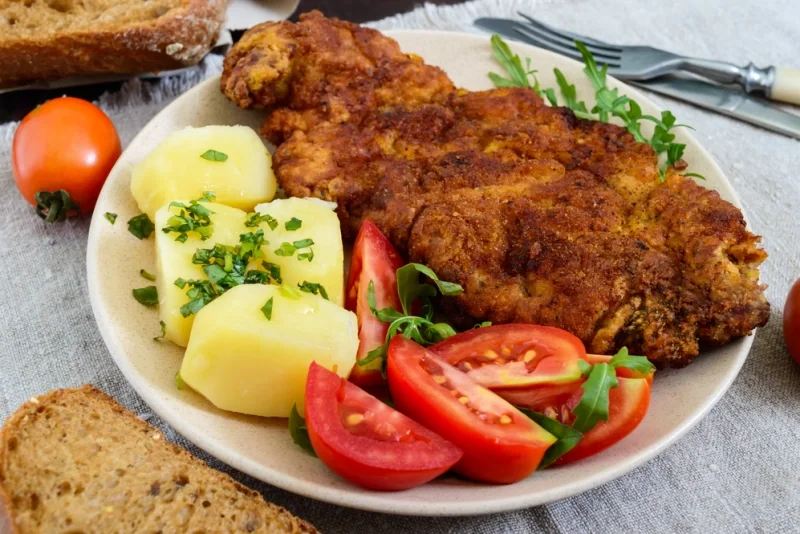
Marinera de carne is Paraguayan-style beef coated in a light batter and fried until golden. Thin slices of seasoned beef make it a satisfying dish to serve with a fresh salad.
Ingredients
- 500 gbeef
- 2eggs
- 240 ml (1 cup)milk
- 125 g (1 cup)plain flour
- 2garlic cloves, chopped
- to tastespring onion
- juice of 1lemon
- to tastesalt, pepper and cumin
Instructions
- 1
Slice the beef
Cut the beef into thin slices or steaks, ideally around 5 x 10 cm so they cook easily. Trim away any excess fat if needed.
- 2
Season the meat
Add the chopped garlic, salt, pepper, cumin and lemon juice to the beef. Mix well so the seasoning coats the meat, then set it aside.
- 3
Mix the batter
Beat the eggs in a suitably sized bowl with a pinch of salt. Add the flour and a little of the milk, stirring until smooth and free of lumps; continue adding milk until the batter has a consistency similar to tortilla batter. Stir in the finely chopped spring onion.
- 4
Coat the beef
Dip each piece of beef into the batter until coated.
- 5
Fry until golden
Heat plenty of oil in a frying pan. Once it is hot, add the coated pieces one at a time and fry until golden on both sides.
- 6
Drain and serve
Transfer the marineras to kitchen paper to drain. Serve with a salad made from the vegetables you prefer.
What is marinera de carne?
Marinera de carne is a Paraguayan dish of seasoned beef dipped in batter and fried. It is a home-style preparation built around thin cuts of meat and a crisp, golden coating.
This version seasons the beef with garlic, lemon, pepper and cumin, while spring onion flavours the batter. Thin slices help the meat cook through before the outside gets too dark.
Nutrition and macros by portion
The nutrition label shows one serving as written: 285 calories, 0g protein, 0g carbs, 0g fat.
| Portion | Adjustment | kcal | Protein | Carbs | Fat |
|---|---|---|---|---|---|
| Lighter | Serve with extra salad | 200 kcal | 0g | 0g | 0g |
| This serving | As written | 285 kcal | 0g | 0g | 0g |
| Hungry | Add more beef | 428 kcal | 0g | 0g | 0g |
The beef supplies most of the protein, while the flour and milk contribute carbohydrates; the frying oil and eggs contribute much of the fat. Pair a serving with a generous salad to add freshness and balance the plate.
Choosing and preparing the beef
Thin slices: Cut the beef into pieces around 5 x 10 cm, as suggested in the method. Smaller, evenly sized pieces are easier to coat and turn in the pan.
Trimmed edges: Remove any excess fat if you prefer a neater coating. Keep the pieces similar in thickness so they cook at a similar pace.
Seasoning before battering
Lemon and garlic: Mix these with the beef along with salt, pepper and cumin, making sure the slices are well coated. Set the meat aside while you prepare the batter.
Spring onion: Chop it finely so it disperses through the batter and does not make the coating awkward to handle.
Getting the batter right
Smooth mixture: Add the milk gradually while stirring the eggs and flour. This makes it easier to work out lumps before the full amount of liquid is incorporated.
Tortilla-like consistency: Aim for a batter that clings to the beef without forming a heavy layer. If you add the milk in stages, you can judge the texture as you mix.
Frying for a crisp coating
Hot oil: Heat plenty of oil before adding the meat; the method gives no exact temperature, so use the first piece as a cue. The coating should begin frying promptly rather than sitting in the pan.
Room to turn: Add the pieces one at a time and avoid crowding the pan. Turn them once the first side is golden, then cook the other side until golden too.
Serving the marineras
Fresh salad: The recipe suggests serving the fried beef with a salad of your choice. Crisp vegetables provide a fresh contrast to the batter.
Serve promptly: The coating is at its best soon after frying and draining. Bring the salad to the table at the same time so the marineras do not need to wait.
Recipe notes & tips
- Slice the beef evenly so the pieces cook at a similar rate.
- Add the milk gradually to make a smooth batter.
- Chop the spring onion finely so it mixes evenly into the coating.
- Fry the marineras in batches so there is room to turn them.
- Drain each batch on kitchen paper before serving.
Variations
- Change the seasoning: Adjust the pepper and cumin to suit your taste.
- Add more spring onion: Chop extra finely and fold it into the batter.
- Use different salad vegetables: Choose a crisp mix to serve alongside the beef.
- Make smaller pieces: Cut the beef into smaller slices for easier serving.
- Brighten the plate: Serve with extra lemon wedges for squeezing at the table.
Common mistakes to avoid
- Uneven slices: Thick pieces may cook more slowly; cut the beef to a consistent thickness.
- Lumpy batter: Add the milk gradually and stir well as you combine it with the flour and eggs.
- Batter that will not cling: Check that the beef is not wet with excess marinade before dipping.
- Crowded frying pan: The pieces are harder to turn; fry them one at a time or in batches.
- Oil that is not hot enough: The coating can absorb more oil; wait until the pan is properly heated before frying.
How to store
Refrigerate leftovers in a covered container and eat within 2 days. Reheat in an oven or frying pan until hot; the coating may soften during storage.
Frequently asked questions
Can I prepare the beef ahead?
You can slice and season the beef ahead, then keep it covered in the fridge. Mix the batter shortly before frying for the best coating.
How thick should the batter be?
It should resemble tortilla batter and cling to the beef. Add the milk little by little so you can stop once it reaches that consistency.
How do I know when the oil is ready?
The method does not specify a temperature. Add the first coated piece once the oil is hot enough for the batter to begin frying promptly.
Can I use a different cut of beef?
Yes, provided it can be cut into thin slices. Trim excess fat and keep the pieces fairly even so they cook consistently.
What should I serve with marinera de carne?
A fresh salad is the suggested accompaniment. Choose vegetables you enjoy and serve them alongside the hot, drained beef.
Cook it from the original
This recipe comes from comidasparaguayas.com. Their page has the author’s own photos, notes and tips — the best place to cook it from.
Open the recipe on comidasparaguayas.com