
Pasta alla Norma
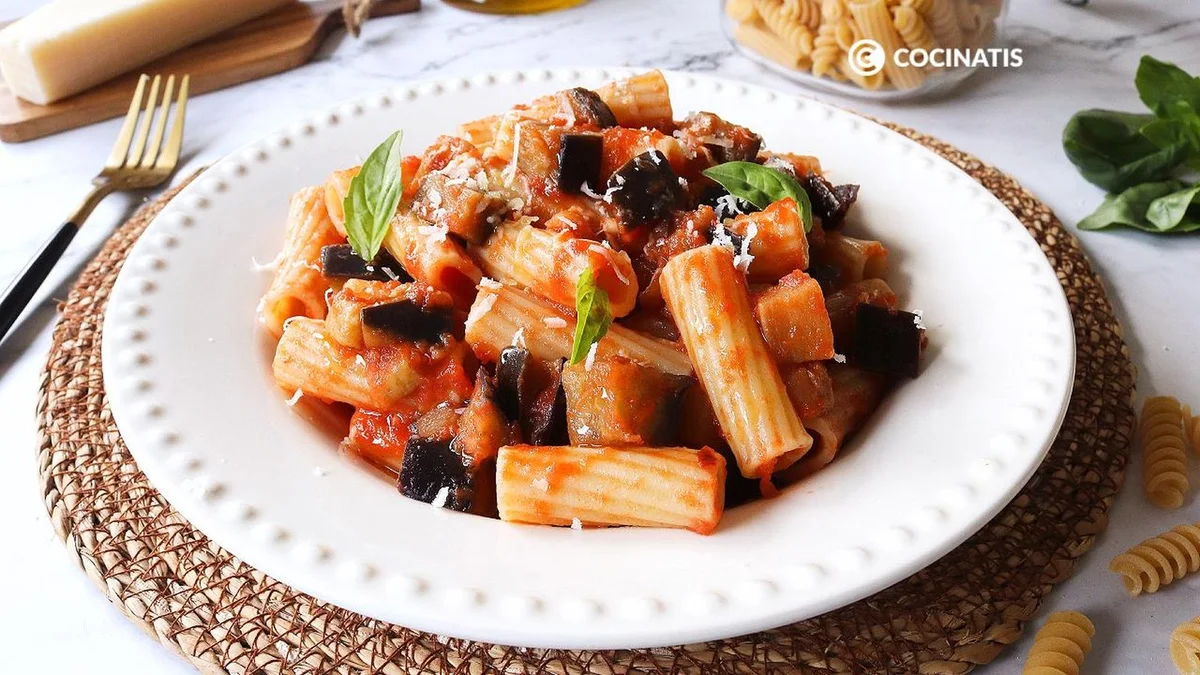
Pasta alla Norma pairs rigatoni with a tomato and aubergine sauce, fresh basil and Parmesan. It makes a hearty Italian meal with a rich sauce that clings to the pasta.
Ingredients
- 400 grigatoni
- 600 mlchopped tomatoes
- 2 mediumaubergines
- 30 gParmesan
- 1 bunchfresh basil
- 2 clovesgarlic
- 1 tablespoonsugar
- 1/3 teaspoonchilli powder (optional)
- 50 mlextra-virgin olive oil
- to tastesalt
Instructions
- 1
Prepare the aubergine
Wash the aubergines and cut them into small cubes.
- 2
Cook the aubergine
Heat the oil in a casserole or large pan, add the aubergine and salt, and cook over a low heat for 10 minutes. Lift the aubergine out of the pan and set it aside.
- 3
Make the tomato sauce
In the same pan, brown the chopped garlic. Add the tomatoes, salt, sugar, chilli powder if using, and basil, then cook over a medium heat for 10 minutes, stirring.
- 4
Combine the sauce
Return the aubergine to the tomato sauce and stir gently.
- 5
Cook the pasta
Cook the rigatoni in a separate pan. Drain it when al dente and add it to the sauce.
- 6
Finish and serve
Serve the pasta alla Norma with a drizzle of olive oil, fresh basil and Parmesan.
What is pasta alla Norma?
Pasta alla Norma is a Sicilian pasta dish, especially associated with Catania, made with tomato, aubergine and basil. Its name is often linked to the opera Norma by Catania-born composer Vincenzo Bellini.
This version uses rigatoni, whose ridges and hollow centres catch the sauce, and finishes with Parmesan for a savoury, salty edge.
Nutrition and macros by portion
The nutrition label shows one serving as written: 648 calories, 30g protein, 84g carbs, 16g fat.
| Portion | Adjustment | kcal | Protein | Carbs | Fat |
|---|---|---|---|---|---|
| Lighter | Less oil, more aubergine | 454 kcal | 21g | 59g | 11g |
| This serving | As written | 648 kcal | 30g | 84g | 16g |
| Hungry | Larger pasta portion | 972 kcal | 45g | 126g | 24g |
The rigatoni provides most of the carbohydrate, while olive oil contributes much of the fat. The pasta and Parmesan supply protein, with the cheese also adding some fat. Serve with a green salad or extra vegetables to round out the plate.
Choosing the ingredients
Aubergine: Cut it into small, even cubes so the pieces soften at a similar rate during the 10-minute cook.
Tomatoes: Chopped tomatoes make a straightforward sauce with enough body to coat the rigatoni. The sugar is added to the sauce as written; taste before adding extra.
Cheese: Parmesan brings a firm, savoury finish. Grate it finely so it spreads over the hot pasta.
Building the sauce
Aubergine first: Cooking it in the oil before making the sauce gives it time in the pan on its own. Remove it once cooked, then bring it back together with the tomatoes later.
Garlic next: Brown the chopped garlic in the same pan, then add the tomatoes and seasonings. Keep the heat moderate and stir during the 10 minutes of simmering so the sauce cooks evenly.
Getting the texture right
Aubergine: The cubes should be tender after their 10 minutes over low heat. If they still feel firm, cook them until softened before setting them aside.
Pasta: Aim for al dente, with a little bite remaining, because the drained rigatoni will be mixed with the hot sauce. Follow the packet’s timing as a guide and check near the end.
Timing the stages
Sauce: The tomato mixture cooks for 10 minutes after the garlic is browned. Stir it as directed, then add the aubergine and combine gently.
Pasta: Cook it in a separate pan while the sauce is underway if your pans and timing allow. Drain it just before mixing so it does not sit and soften.
Serving the pasta
Finish each serving with a drizzle of olive oil, fresh basil and Parmesan, as in the recipe. Add the cheese at the table if you want everyone to choose their own amount.
A crisp green salad or simply dressed vegetables make a fresh accompaniment alongside this filling pasta dish.
Recipe notes & tips
- Cut the aubergine into evenly sized cubes for more consistent cooking.
- Use the same pan for the aubergine and sauce to carry its flavour into the tomatoes.
- Stir the tomato sauce during its 10-minute cook so it heats evenly.
- Check the rigatoni shortly before the packet time is up to catch it at al dente.
- Drain the pasta well before adding it to the sauce.
- Add the finishing basil just before serving to keep its flavour fresh.
Variations
- Ricotta salata: Use this traditional-style salty cheese in place of Parmesan if available.
- More chilli: Increase the chilli powder for a hotter sauce.
- Fresh tomatoes: Use peeled, chopped ripe tomatoes instead of tinned chopped tomatoes and simmer until saucy.
- Different pasta: Swap rigatoni for another short pasta with ridges or a hollow centre.
- Extra herbs: Add a little oregano alongside the basil for a different aromatic note.
Common mistakes to avoid
- Large aubergine chunks: They may take longer to soften; cut the cubes evenly and keep them small.
- Overcooked aubergine: It can lose its shape; remove it from the pan after the stated 10 minutes if tender.
- Scorched garlic: It can taste bitter; brown it briefly and add the tomatoes before it gets too dark.
- Unstirred sauce: The mixture may cook unevenly; stir it during its 10-minute simmer.
- Soft pasta: It will continue to sit in hot sauce; drain the rigatoni as soon as it is al dente.
- Rough mixing: Aubergine can break up; fold it into the tomato sauce gently.
How to store
Refrigerate leftovers in a covered container for up to 3 days. Reheat gently in a pan or microwave until piping hot, adding a splash of water if the sauce has thickened; add fresh basil and Parmesan when serving.
Frequently asked questions
Can I make the sauce ahead?
Yes. Prepare the tomato and aubergine sauce, cool it and refrigerate it in a covered container for up to 3 days. Cook the pasta just before serving for the best texture.
How do I know when the aubergine is cooked?
After 10 minutes over low heat, the cubes should be softened. If they are still firm, continue cooking until tender.
Can I use a different pasta shape?
Yes. Choose a short pasta that holds sauce well, such as penne or mezze rigatoni, and cook it until al dente.
Is the chilli essential?
No. The recipe marks it as optional, so you can leave it out for a milder sauce.
What can I use instead of Parmesan?
Ricotta salata is a fitting alternative if you can find it. Add it grated or crumbled over the finished pasta.
Can I freeze leftovers?
The sauce can be frozen in a suitable airtight container, though the aubergine may soften further after thawing. For the best pasta texture, freeze the sauce separately and cook fresh rigatoni.
Cook it from the original
This recipe comes from cocinatis.com. Their page has the author’s own photos, notes and tips — the best place to cook it from.
Open the recipe on cocinatis.com