
Chipa pireca: traditional Paraguayan flour and egg bread
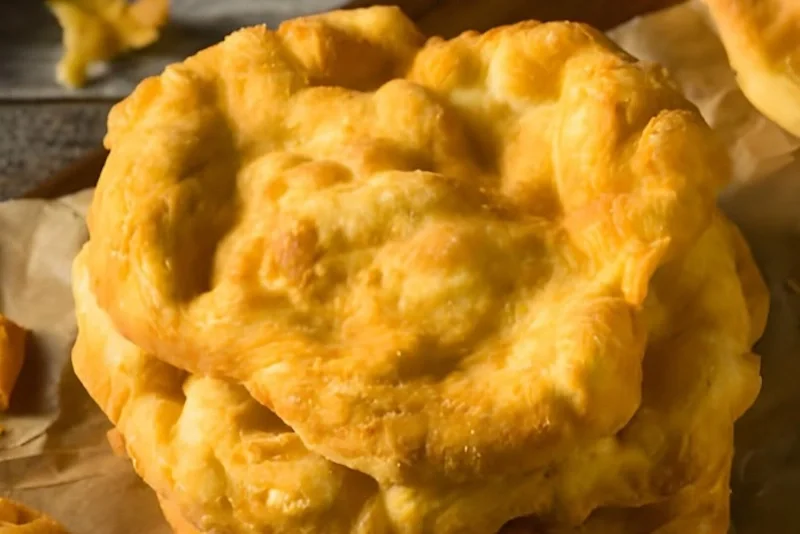
Chipa pireca is a Paraguayan fried bread made with self-raising flour, egg and a simple dough. Serve it warm as a snack or alongside a meal.
Ingredients
- 300 gself-raising flour
- 1 teaspoonbeef dripping
- 1 glasswarm water
- 1 teaspoonsalt
- 1beaten egg
- as neededvegetable oil
Instructions
- 1
Combine the ingredients
Put the flour in a bowl and make a well in the middle. Add the beef dripping, beaten egg, salt and water to the well, then mix everything together with your hands.
- 2
Adjust the dough
If the dough seems very dry, add a little more warm water. If it is too wet, mix in more flour.
- 3
Knead until elastic
Keep kneading for about 10 minutes, until the dough is smooth and elastic.
- 4
Rest the dough
Shape the dough into a ball, cover it with a clean cloth and leave it to rest for about 20 minutes.
- 5
Shape the breads
Roll the dough into a cylinder and cut it into about 10 portions. Roll each portion out with a rolling pin into a round, then make a hole in the centre.
- 6
Fry until golden
Fry the breads in plenty of hot oil until golden. Lift them out and leave them on absorbent paper before serving.
What is chipa pireca?
Chipa pireca is a traditional Paraguayan fried bread, made here from a flour-based dough enriched with egg and a little beef dripping. Its simple ingredients and quick frying make it a practical snack or accompaniment.
This version is shaped into rounds with a hole in the middle. That shape gives the breads a familiar ring-like appearance and helps them cook through as they turn golden.
Nutrition and macros by portion
The nutrition label shows one serving as written: 100 calories, 0g protein, 0g carbs, 0g fat.
| Portion | Adjustment | kcal | Protein | Carbs | Fat |
|---|---|---|---|---|---|
| Lighter | Use less frying oil | 70 kcal | 0g | 0g | 0g |
| This serving | As written | 100 kcal | 0g | 0g | 0g |
| Hungry | Serve two breads | 150 kcal | 0g | 0g | 0g |
The flour provides most of the carbohydrates, while the egg and beef dripping contribute some of the fat and protein; frying oil adds further fat. The supplied nutrition figures are 100 kcal per serving, with 0 g listed for protein, carbohydrates and fat, so use those figures as provided. To balance the plate, serve a portion with vegetables and a protein-rich accompaniment.
The dough ingredients
Self-raising flour: it forms the base of the dough and provides the raising agent, so use it as listed rather than plain flour.
Egg and dripping: the beaten egg and small amount of beef dripping add richness and help bring the dough together. Warm water is added with them to make a workable mixture.
Getting the dough right
Moisture: begin with the stated glass of warm water, then adjust cautiously. Add a little more water if the dough is dry, or more flour if it feels too wet.
Kneading: work the dough for about 10 minutes, as directed, until it feels even and elastic. Covering it for the 20-minute rest keeps the surface from drying out.
Shaping the rounds
Portions: divide the dough into about 10 pieces for evenly sized breads. Roll each one into a round before making a hole in its centre.
Hole: make an opening in every round so the characteristic shape is clear. Keep the shaped pieces ready to fry once the oil is hot.
Frying and doneness
Oil: use plenty of hot vegetable oil, as the recipe directs, and fry the breads until they look golden. Take care when adding and removing the dough from the hot oil.
After frying: transfer the breads to absorbent paper to remove excess oil from the surface. Serve them warm for the best texture.
When to serve them
Chipa pireca works as a snack on its own or as an accompaniment to a meal. Its mild, savoury flavour also suits a spread of dips or other simple sides.
For a more substantial plate, pair it with a source of protein and vegetables. Serve soon after frying while the outside is still freshly cooked.
Recipe notes & tips
- Measure the flour before making the well so it is ready to mix.
- Add extra water or flour in small amounts to avoid overshooting the dough consistency.
- Knead for the full 10 minutes to help the dough become elastic.
- Cover the dough during its 20-minute rest so it does not dry out.
- Make the centre holes before frying, while the dough is easy to shape.
- Drain the fried breads on absorbent paper before serving.
Variations
- Smaller rounds: divide the dough into more pieces for bite-sized breads.
- Herb note: mix finely chopped fresh herbs into the dough for a savoury variation.
- Spiced dough: add a pinch of ground pepper for a gentle warmth.
- Accompaniment: serve with a savoury dip or spread alongside the warm breads.
Common mistakes to avoid
- Adding all the extra liquid at once: adjust with small splashes so the dough does not become too wet.
- Skipping the kneading: work the dough for about 10 minutes until it is smooth and elastic.
- Leaving the dough uncovered: cover it with a cloth during the rest to prevent a dry surface.
- Uneven portions: divide the dough into roughly 10 pieces so they cook at a similar pace.
- Frying before the oil is hot: wait until the oil is hot before adding the shaped breads.
- Removing them too early: fry until golden, then drain on absorbent paper.
How to store
These breads are best served warm after frying. If needed, keep leftovers in an airtight container in the fridge and reheat briefly in a hot oven until warmed through; their texture may be less crisp than when freshly made.
Frequently asked questions
Can I use plain flour instead of self-raising flour?
The recipe specifies self-raising flour, so plain flour will not behave in quite the same way. Use the listed flour for the intended result.
How do I know if the dough needs more water?
If it seems very dry as you mix and knead, add a little warm water at a time. If it feels too wet, add a little more flour.
Why does the dough need to rest?
The recipe calls for a 20-minute rest after kneading. Keep it covered with a cloth during this time.
How many breads does this make?
The dough is divided into about 10 portions. The recipe lists 5 servings, so that works out to roughly two breads per serving.
Can I bake chipa pireca instead of frying it?
This method is written for frying in plenty of hot oil. Baking would produce a different result and is not specified in the recipe.
What should I serve with chipa pireca?
Serve it warm as a snack or alongside a meal. Vegetables and a protein-rich accompaniment make a more complete plate.
Cook it from the original
This recipe comes from comidasparaguayas.com. Their page has the author’s own photos, notes and tips — the best place to cook it from.
Open the recipe on comidasparaguayas.com