
Beef tuco
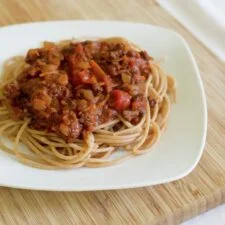
Beef tuco is a gently simmered Chilean-style meat and tomato sauce, with onion and vegetables for extra savoury depth. Serve it over pasta or fluffy rice for a hearty, straightforward meal.
Ingredients
- 1 tablespoonoil
- 500 gminced beef
- 1onion, finely chopped
- 2 carrots, diced, and ½ red pepper, deseeded and chopped (optional)carrots and red pepper
- 1 tin (about 400 g)chopped tomatoes
- 1 tin (225 g)tomato sauce
- A few sprigs or 1 leaforegano or bay leaf
- To tastesalt and black pepper
- 1 tablespoonbutter
Instructions
- 1
Brown the beef
Heat the oil in a large frying pan over a medium-high heat. Once hot, add the beef and break it up with a spoon so it covers the pan. Season with salt and pepper, then brown for 3–5 minutes. Turn the beef and brown the other side for another 3–5 minutes.
- 2
Add vegetables
Stir in the finely chopped onion, carrots and red pepper, if using. Cook for 5 minutes, stirring occasionally, then add the chopped tomatoes, tomato sauce and fresh or dried oregano, or the bay leaf.
- 3
Simmer the sauce
Taste and adjust the seasoning. Cover and simmer gently for 5–10 minutes or longer, then add the tablespoon of butter and stir it in well.
- 4
Serve the tuco
Spoon the sauce over pasta or rice.
What is beef tuco?
Tuco is a tomato-based sauce commonly served with pasta in Chilean cooking. This version combines minced beef, tomato, onion and optional vegetables for a filling sauce that also works over rice.
The method builds flavour by browning the beef first, then simmering it briefly with the tomatoes. A little butter stirred in at the end rounds out the sauce.
Nutrition and macros by portion
The nutrition label shows one serving as written: 390 calories, 26g protein, 15g carbs, 26g fat.
| Portion | Adjustment | kcal | Protein | Carbs | Fat |
|---|---|---|---|---|---|
| Lighter | Use less butter | 273 kcal | 18g | 11g | 18g |
| This serving | As written | 390 kcal | 26g | 15g | 26g |
| Hungry | Add more pasta | 585 kcal | 38g | 23g | 38g |
The beef provides most of the protein and much of the fat, while the tomatoes, onion and carrots contribute carbohydrates. Serve it with a moderate portion of pasta or rice and add vegetables or salad to balance the plate.
Choosing the ingredients
Beef: Minced beef gives the sauce its savoury base. Break it up as it cooks so it browns across the pan rather than staying in one large clump.
Vegetables: Onion is part of the base, while carrot and red pepper are listed as optional. Dicing them gives the sauce small, easy-to-eat pieces.
Tomatoes: Chopped tomatoes and tomato sauce both go into the pan. Together they make a tomato-rich sauce without needing extra liquid in the method.
Getting a good sear
Hot oil: Let the oil heat in the pan over a medium-high heat before adding the beef. Spread the meat out and leave it to brown for 3–5 minutes before turning.
Small batches: If the beef does not fit in a single layer, brown it in batches so it can colour rather than steam. Return all the beef to the pan before adding the vegetables.
Simmering to the right texture
Gentle heat: Once the tomatoes and herbs are added, cover the pan and simmer for 5–10 minutes, or longer if you prefer. Keep the heat low enough for a gentle simmer.
Check the sauce: Taste it and adjust the salt and pepper before finishing. The method does not specify a final thickness, so simmer for longer if you want a more concentrated sauce.
Herbs and finishing butter
Herb choice: Use a few sprigs of oregano, fresh or dried, or one bay leaf. The recipe gives these as alternatives, so choose one rather than adding both.
Butter: Stir in the tablespoon of butter after simmering and mix thoroughly. This is the final step before serving.
What to serve with tuco
Pasta: Serve the sauce over tallarines or another pasta shape that can hold the minced beef and tomato sauce.
Rice: Fluffy rice is the other suggested accompaniment. Add a simple green salad or cooked vegetables if you want a fresh side.
Recipe notes & tips
- Let the beef brown before stirring in the vegetables.
- Break up large clumps of mince as you spread it across the pan.
- Add the red pepper only if you want to use the optional ingredient.
- Choose oregano or a bay leaf for the herb, as the recipe offers them as alternatives.
- Taste the sauce before adding the butter so you can adjust the seasoning first.
Variations
- Use oregano: Add a few sprigs of fresh oregano or use dried oregano as the recipe allows.
- Choose bay: Use one bay leaf instead of oregano and remove it before serving.
- Include the pepper: Add the optional red pepper with the onion and carrots.
- Serve with rice: Spoon the sauce over fluffy rice instead of pasta.
- Simmer longer: Leave the covered sauce on a gentle heat for longer for a more concentrated result.
Common mistakes to avoid
- Crowding the beef: It may steam instead of browning; work in batches if it will not fit in a single layer.
- Adding vegetables too early: Give the beef its 3–5 minutes of browning on each side before adding them.
- Cooking too fast: Keep the covered sauce at a gentle simmer so it does not boil vigorously.
- Skipping the taste: Check and adjust the seasoning before adding the butter.
- Leaving the bay leaf in: If you use one, take it out before serving.
How to store
Cool leftovers and store them in a covered container in the fridge for up to 3 days. Reheat the sauce in a pan over a low heat until piping hot, adding a little water if it has thickened; store pasta or rice separately where possible.
Frequently asked questions
Can I leave out the red pepper?
Yes. It is marked optional in the ingredient list, so you can make the sauce without it.
Should I use oregano or a bay leaf?
Use a few sprigs of oregano, fresh or dried, or one bay leaf. They are alternatives in this recipe.
How long should the sauce simmer?
Cover and simmer gently for 5–10 minutes or longer. Simmering for longer is an option if you want the sauce more concentrated.
Can I serve beef tuco with rice?
Yes. The recipe suggests serving it over tallarines or rice.
Can I make the sauce ahead?
Yes. Make the sauce ahead and refrigerate it in a covered container, then reheat it thoroughly before serving.
Cook it from the original
This recipe comes from cocinachilena.cl. Their page has the author’s own photos, notes and tips — the best place to cook it from.
Open the recipe on cocinachilena.cl