
Pastel de choclo
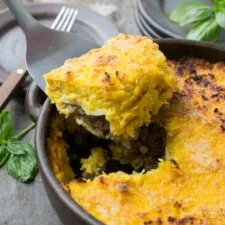
Pastel de choclo is a Chilean baked casserole with a savoury beef and chicken filling beneath a soft, basil-scented sweetcorn topping. It is a generous, celebratory meal that can be assembled ahead and baked until bubbling and golden.
Ingredients
- 2 tablespoonsbutter or vegetable oil
- 4 bags (454 g each) or approximately 2.4 litres (10 cups)frozen sweetcorn or kernels cut from choclo humero
- 120 ml (½ cup)whole milk
- 3 tablespoonscornflour, polenta or chuchoca
- 1 bunch, about 10 leavesbasil, preferably sweet basil
- to tastesalt, pepper and merkén
- 1 kgminced beef
- 240 ml (1 cup)water or beef stock
- 3onions, finely diced
- 1 tablespoonmerkén, chilli powder or paprika
- ½ teaspoonground cumin
- to tastesalt and pepper
- 2 tablespoons, optionalplain flour
- 10raisins
- 6 small piecescooked, boneless chicken
- 10olives
- 2hard-boiled eggs, quartered
Instructions
- 1
Brown the beef
Heat the oil in a large pot. Add the beef and cook for about 8 minutes, stirring occasionally, until lightly browned. Stir in the chilli seasoning, salt, pepper and cumin, then cook for about 2 minutes more.
- 2
Cook the filling
Add the stock and simmer over a low heat for 30 minutes. Stir in the onions and cook over a medium heat for about 30 minutes, stirring occasionally, until they are soft.
- 3
Season the pino
Turn off the heat. If you prefer a less juicy filling, stir in the optional flour. Taste and adjust the seasoning if needed, then leave the pino to cool; refrigerate it or use it straight away.
- 4
Cook the sweetcorn
Melt the butter in a large, preferably heavy-based pot over a medium-high heat. Add the frozen sweetcorn and cook for about 8 minutes, stirring now and then, until it has thawed or cooked through.
- 5
Blend the topping
Add the milk, basil, salt, pepper and merkén if using. Cook for about 10 minutes, stirring occasionally. Use a stick blender to process the sweetcorn, stopping while some variation in texture remains.
- 6
Thicken the topping
Stir in the cornflour, polenta or chuchoca and cook over a medium heat for 5 minutes. Taste and adjust the seasoning; the mixture should thicken but should not become dry.
- 7
Assemble the dishes
Divide the pino among the baking dishes, then add the chicken, raisins, olives and quartered egg as desired. Cover with the sweetcorn mixture. Refrigerate the assembled dishes if not baking straight away, or sprinkle with granulated sugar before baking.
- 8
Bake and rest
Bake at 200°C for 45–60 minutes, until bubbling and browned on top. Leave to rest for 10 minutes before serving.
What is pastel de choclo?
Pastel de choclo is a Chilean casserole named for choclo, the large-kernel corn used in the country’s cooking. A savoury pino filling sits under a thick sweetcorn topping, then the assembled dish is baked until bubbling.
This version layers beef with chicken, raisins, olives and hard-boiled egg. Basil and optional merkén season the corn topping, while a little sugar on top gives it a browned finish.
Nutrition and macros by portion
The nutrition label shows one serving as written: 621 calories, 41g protein, 60g carbs, 28g fat.
| Portion | Adjustment | kcal | Protein | Carbs | Fat |
|---|---|---|---|---|---|
| Lighter | Use lean beef, less topping | 435 kcal | 28g | 42g | 19g |
| This serving | As written | 621 kcal | 41g | 60g | 28g |
| Hungry | Serve a larger portion | 932 kcal | 61g | 90g | 41g |
The corn topping and onions provide much of the carbohydrate, while the beef and chicken contribute most of the protein. Fat comes mainly from the beef and butter or oil; serve a green salad or extra vegetables alongside for a more balanced plate.
Building a flavourful pino
Brown the beef: a little colour from the first cooking stage gives the filling a deeper savoury flavour. Add the chilli seasoning and cumin before the long simmer so they have time to mingle with the meat.
Soften the onions: they go in after the stock, then cook until tender. The optional flour is stirred in at the end to make the filling less juicy; leave it out if you prefer a looser pino.
Getting the corn topping right
Choose the corn: frozen kernels are convenient, while choclo humero gives a more traditional base when available. A heavy-based pot helps the corn cook evenly as it thaws.
Keep some texture: blend the cooked corn with a stick blender, but stop before it is completely uniform. The cornflour, polenta or chuchoca thickens the mixture as it cooks for another 5 minutes.
Layering the filling
Pino first: spread the beef mixture in the base of the baking dishes, then arrange the cooked chicken, raisins, olives and egg over it. Their placement means each serving can include a mix of savoury and sweet elements.
Cover evenly: spoon the corn mixture over the filling and spread it to the edges. A consistent layer helps the topping brown across the dish.
Knowing when it is ready
Watch the top: bake at 200°C for 45–60 minutes, looking for bubbling around the edges and a browned surface. If the top colours before the filling is bubbling, continue baking and keep an eye on it.
Let it rest: wait 10 minutes before serving. This gives the hot layers a little time to settle, making the portions easier to lift.
Serving and planning ahead
Serve pastel de choclo as a substantial main course, with a crisp green salad or simply dressed vegetables alongside to balance its rich, soft layers.
The pino can be made in advance, and the assembled dishes can be refrigerated before baking. If chilled, allow for the dish to take longer to heat through than one baked immediately.
Recipe notes & tips
- Use a heavy-based pot for the corn mixture to help it cook evenly.
- Blend the corn only until it has the texture you like; it need not be completely smooth.
- Taste both the pino and the corn topping before assembling, and adjust their seasoning separately.
- Use the optional flour only if you want a less juicy beef filling.
- Arrange the raisins, olives and egg to suit your preference in each dish.
- Leave the baked casserole to rest for 10 minutes before serving.
Variations
- More heat: add merkén to the corn topping as well as the beef filling.
- Milder seasoning: use paprika instead of merkén or chilli powder.
- Smoother topping: blend the corn for longer before stirring in the thickener.
- No raisins: leave them out if you prefer a less sweet filling.
- Vegetable side: serve each portion with a green salad or cooked vegetables.
Common mistakes to avoid
- Over-blending the corn: stop while some texture remains for a less uniform topping.
- Drying the topping: cook just until thickened, then remove it from the heat.
- Skipping the onion cooking: let the diced onion soften fully in the pino.
- Using flour by default: add it only if you want the filling less juicy.
- Cutting straight into the dish: rest it for 10 minutes so the layers settle.
How to store
Cool leftovers promptly, cover and refrigerate for up to 3 days. Reheat portions in the oven or microwave until piping hot throughout; the topping may soften after storage.
Frequently asked questions
Can I assemble pastel de choclo ahead of time?
Yes. Assemble the dishes and refrigerate them before baking. Bake until bubbling and browned, allowing extra time if the dishes are cold.
Can I use fresh sweetcorn instead of frozen?
Yes. Kernels cut from choclo humero are listed as an alternative to frozen sweetcorn. Cook them until tender before blending with the milk and basil.
What is merkén?
Merkén is a Chilean chilli seasoning. If you do not have it, the recipe lists chilli powder or paprika as alternatives for the beef.
Should the corn topping be completely smooth?
No. Blend it to your preferred consistency, leaving some variation in texture if you like.
Do I need to add sugar on top?
No. The recipe suggests granulated sugar as an optional sprinkle before baking; the casserole can be baked without it.
How do I know when it is baked?
Look for bubbling and a browned top after 45–60 minutes at 200°C. Rest the dish for 10 minutes before serving.
Cook it from the original
This recipe comes from cocinachilena.cl. Their page has the author’s own photos, notes and tips — the best place to cook it from.
Open the recipe on cocinachilena.cl