
Yoghurt cake
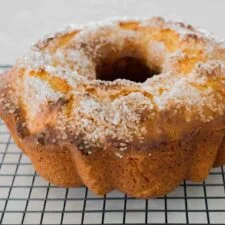
This yoghurt cake is a simple, tender bake made by stirring together yoghurt, sugar, eggs, oil and flour. It is easy to flavour and can be baked as one cake or in individual muffin cases.
Ingredients
- 240 g (1 cup; 2 pots)plain unsweetened yoghurt, low-fat if preferred
- 200 g (1 cup)granulated sugar
- 1 tsp (5 ml)vanilla
- 80 ml (⅓ cup)vegetable oil
- 2eggs
- 250 g (2 cups)plain flour
- 2 tsp (10 ml)baking powder
- 1 tbsp (15 ml), optionalrum
Instructions
- 1
Preheat the oven
Heat the oven to 180°C (350°F).
- 2
Mix the wet ingredients
In a large bowl, use a fork to combine the yoghurt, sugar, vanilla, rum if using, eggs and vegetable oil until evenly mixed.
- 3
Add the flour
Sift the flour and baking powder together, then add them to the yoghurt mixture. Stir just until all the flour is incorporated; do not overmix.
- 4
Bake the cake
Pour the batter into a buttered cake tin or individual muffin cases. Bake until golden and a skewer inserted into the centre comes out dry: about 25 minutes for individual cakes or 40–45 minutes for one large cake.
- 5
Cool before serving
Leave the cake in its tin for 15 minutes, then turn it out. Let it cool for at least 30 minutes before slicing.
What is yoghurt cake?
Yoghurt cake is a straightforward, home-style bake found in many forms across different countries. This version uses plain yoghurt for moisture, while oil keeps the method simple and the crumb soft.
The recipe is adaptable without changing its basic approach: mix the wet ingredients, fold in sifted flour and baking powder, then bake until set.
Nutrition and macros by portion
The nutrition label shows one serving as written: 232 calories, 5g protein, 34g carbs, 8g fat.
| Portion | Adjustment | kcal | Protein | Carbs | Fat |
|---|---|---|---|---|---|
| Lighter | Smaller cake slice | 162 kcal | 4g | 24g | 6g |
| This serving | As written | 232 kcal | 5g | 34g | 8g |
| Hungry | Larger cake slice | 348 kcal | 8g | 52g | 12g |
The flour and sugar provide most of the carbohydrates, while the oil contributes much of the fat. Eggs and yoghurt supply protein, with some additional fat depending on the yoghurt used. Pair a slice with fresh fruit and extra plain yoghurt for a more balanced snack.
Choosing the ingredients
Yoghurt: Plain, unsweetened yoghurt gives the batter moisture without adding another flavour. The recipe works with low-fat yoghurt, as in the original, or another plain variety.
Oil: Vegetable oil blends readily into the batter and helps keep the cake tender. Use a neutral-tasting oil so it does not dominate the vanilla.
Mix gently for a tender crumb
Wet mixture: Stir the yoghurt, sugar, vanilla, optional rum, eggs and oil until combined before adding the dry ingredients. A fork is enough; there is no need to whip the mixture.
Flour: Sift it with the baking powder, then stir only until no dry flour remains. Mixing for longer can make the finished cake tougher.
Check for doneness
Golden top: Look for an evenly coloured surface as the cake approaches the end of its baking time. The stated timings are different for individual cakes and one large cake, so check the appropriate range.
Dry skewer: Push a skewer into the centre; it should come out dry. If batter clings to it, continue baking and check again.
Choose the tin and timing
Large cake: Pour the batter into a buttered cake tin and allow 40–45 minutes as a guide. The cake is ready when golden and the skewer test is dry.
Individual cakes: Divide the batter between muffin cases and bake for about 25 minutes. Check them for colour and doneness rather than relying on the clock alone.
Cool and serve
In the tin: Leave the baked cake to stand for 15 minutes before turning it out. This gives it a little time to settle and makes unmoulding easier.
At the table: Wait at least 30 minutes before cutting so the crumb can finish cooling. Serve plain, or alongside fresh fruit or a spoonful of yoghurt.
Recipe notes & tips
- Measure the flour by weight where possible for a consistent batter.
- Bring the eggs and yoghurt to room temperature before mixing for easier combining.
- Butter the tin thoroughly, including the corners, before adding the batter.
- Sift the flour and baking powder together to distribute the raising agent evenly.
- Use the skewer test as well as the colour to judge when the cake is ready.
- Allow the cake to cool for at least 30 minutes before slicing.
Variations
- Citrus zest: Add finely grated lemon or orange zest to the wet mixture for a fresh aroma.
- Spiced cake: Stir a little ground cinnamon into the sifted flour for a warm flavour.
- Chocolate chips: Fold chocolate chips into the batter just before pouring it into the tin.
- Fresh berries: Gently fold berries through the finished batter, taking care not to overmix.
- Almond flavour: Replace the vanilla with a small amount of almond extract.
Common mistakes to avoid
- Overmixing the batter: Stir only until the flour disappears to help keep the crumb tender.
- Skipping the sieve: Sift the flour with the baking powder so the dry ingredients are evenly combined.
- Using the muffin timing for a large cake: Allow 40–45 minutes for one large cake, rather than about 25 minutes.
- Relying only on the timer: Check that the cake is golden and a skewer comes out dry.
- Turning it out straight away: Leave it in the tin for 15 minutes before unmoulding.
- Cutting while hot: Cool for at least 30 minutes before slicing.
How to store
Once completely cool, store the cake in an airtight container at room temperature for up to 3 days. Warm a slice briefly in the microwave if you prefer it slightly warm.
Frequently asked questions
Can I make this as muffins?
Yes. Divide the batter between individual muffin cases and bake for about 25 minutes, checking for a golden top and a dry skewer.
How long does the large cake bake?
The recipe gives 40–45 minutes for one large cake at 180°C. Check the centre with a skewer before taking it out.
Does the rum have to be included?
No. It is optional and can be left out without changing the rest of the method.
Can I use low-fat yoghurt?
Yes. Low-fat plain yoghurt is the type used in the recipe; use plain, unsweetened yoghurt.
Why should I avoid overmixing?
Once the flour is added, too much stirring can make the cake less tender. Mix only until the flour is incorporated.
When can I remove the cake from the tin?
Leave it in the tin for 15 minutes after baking, then turn it out. Wait at least another 30 minutes before slicing.
Cook it from the original
This recipe comes from cocinachilena.cl. Their page has the author’s own photos, notes and tips — the best place to cook it from.
Open the recipe on cocinachilena.cl