
Basic gnocchi recipe
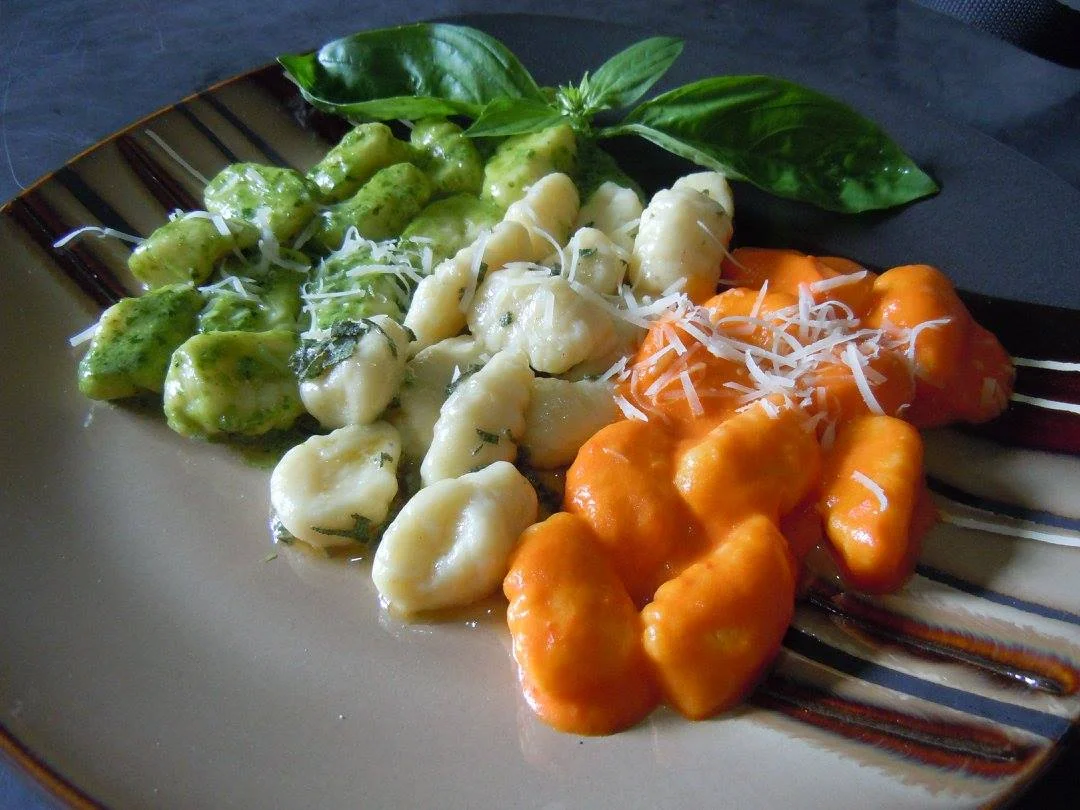
These soft Northern Italian potato dumplings are made with starchy potatoes, egg and flour, then shaped by hand to catch plenty of sauce. Steaming the potatoes helps keep the dough manageable and the finished gnocchi light and tender.
Ingredients
- 1 kgstarchy potatoes
- 2 smalleggs, lightly beaten
- 350 gplain flour
- 1 pinchsalt
- 1 pinchnutmeg
- for dustingrice flour
Instructions
- 1
Steam potatoes
Steam the potatoes in their skins until tender. Steaming rather than boiling helps them take on less moisture.
- 2
Mash while hot
Peel the potatoes while they are hot, then mash them using a potato ricer or fine sieve for the smoothest result.
- 3
Mix the dough
Make a well in the warm mash and add the salt, egg, nutmeg and 250 g of the flour. Mix just until a dough forms; add more flour only if it feels too wet, as potato moisture and starchiness vary. The dough should be soft but workable.
- 4
Flour the surface
Move the dough to a floured work surface. Dust your hands and the surface with flour from time to time to prevent sticking; rice flour is suggested for this.
- 5
Flatten the dough
Press the dough out with your palms until it is 1.5 cm thick.
- 6
Roll into ropes
Cut the flattened dough into strips 1.5 cm thick. Gently roll each strip along the work surface into a long cigar shape.
- 7
Cut the pieces
Arrange the ropes side by side in groups of three and trim their ends with a knife. Cut them into 1.5 cm nuggets.
- 8
Shape the gnocchi
With gentle pressure, roll each nugget over a gnocchi board or the back of a fork to make grooves. The shapes do not need to be perfect; a rustic finish is fine.
- 9
Boil until ready
Bring salted water to the boil and add the gnocchi. When they rise to the surface, cook them for another minute so they cook through and firm up slightly, especially if frozen.
- 10
Lift from water
Use a slotted spoon to lift the gnocchi out of the water rather than draining them into a colander. Serve with a sauce of your choice.
- 11
Check the texture
The finished gnocchi should be light and fluffy, not al dente like pasta.
What are potato gnocchi?
Gnocchi are dumplings, even though they are often served alongside pasta. Potato gnocchi are associated with Northern Italy, where the conditions are well suited to growing potatoes.
This version keeps the dough simple: starchy potatoes, egg, flour, salt and a little nutmeg. Steaming the potatoes helps limit excess moisture, which supports a tender rather than heavy result.
Nutrition and macros by portion
The nutrition label shows one serving as written: 365 calories, 0g protein, 0g carbs, 0g fat.
| Portion | Adjustment | kcal | Protein | Carbs | Fat |
|---|---|---|---|---|---|
| Lighter | Smaller gnocchi portion | 255 kcal | 0g | 0g | 0g |
| This serving | As written | 365 kcal | 0g | 0g | 0g |
| Hungry | Larger gnocchi portion | 548 kcal | 0g | 0g | 0g |
The potatoes and flour provide most of the carbohydrates, while the egg contributes some protein and fat. Serve a moderate portion with vegetables and a sauce that suits your meal; the nutrition figures supplied for this recipe list zero for protein, carbohydrate and fat, so they do not show the ingredient contributions.
Choose the right potatoes
Starchy potatoes: these are the key to a soft, fluffy bite. A waxy potato can make the mash wetter and may tempt you to work in more flour.
Keep the skins on while steaming, then peel and mash the potatoes while hot. A ricer or fine sieve breaks them down evenly without leaving lumps.
Keep the dough gentle
Flour: the method starts with 250 g, with the rest of the 350 g available as needed for the dough and work surface. Add only what the dough needs; too much can make the gnocchi dense.
Mix just until the ingredients come together. Potatoes vary in moisture, so judge the dough by feel: it should be soft but possible to handle.
Shape without overworking
Ropes: flatten the dough to 1.5 cm, cut it into strips of the same thickness, then roll the strips gently into long ropes. Use a light touch so they keep their shape.
Grooves: cut the ropes into 1.5 cm nuggets and roll each one over a gnocchi board or fork. The grooves help hold sauce, and uneven shapes still cook well.
Read the cooking cues
Floating: add the gnocchi to boiling salted water and watch for them to rise to the surface. Give them another minute to cook through and firm slightly.
Texture: these dumplings should be light and fluffy rather than chewy or al dente. Lift them out with a slotted spoon to avoid damaging them in a colander.
Serve with a sauce
Choose a sauce that clings to the ridges, such as a tomato sauce, pesto or a simple butter-based sauce. Add the gnocchi straight from the water to the sauce so they are easy to coat.
A green salad or cooked vegetables make a fresh side alongside the dumplings. Serve them soon after cooking for the best texture.
Recipe notes & tips
- Steam the potatoes in their skins to limit how much moisture they absorb.
- Mash the potatoes while they are still hot for a smooth base.
- Keep some of the measured flour back and add it only if the dough is too wet.
- Dust your hands and the work surface as needed to prevent sticking.
- Use gentle pressure when rolling the gnocchi over a fork or board.
- Lift cooked gnocchi with a slotted spoon rather than pouring them into a colander.
Variations
- Tomato sauce: serve the cooked gnocchi with a tomato sauce of your choice.
- Pesto: toss the dumplings with pesto just before serving.
- Butter sauce: coat them with a simple butter-based sauce.
- Herb finish: add chopped fresh herbs to your chosen sauce.
- Vegetable side: serve with cooked vegetables for a more varied plate.
Common mistakes to avoid
- Boiling the potatoes: they can take on more moisture; steam them in their skins instead.
- Adding all the flour at once: the dough may become heavy; start with 250 g and add more only as needed.
- Overmixing the dough: this can make the gnocchi tough; stop as soon as the dough comes together.
- Using too much force when shaping: the pieces can lose their light texture; roll them gently.
- Cooking by time alone: don’t remove them as soon as they float; give them another minute.
- Draining into a colander: the dumplings can break; lift them out with a slotted spoon.
How to store
Keep uncooked gnocchi in a single layer in the fridge and cook them promptly, or freeze them until firm and transfer to a sealed container. Cook frozen gnocchi directly in salted boiling water, allowing them the extra minute noted in the method. Refrigerate cooked leftovers in a sealed container and reheat gently in a pan with sauce.
Frequently asked questions
Why use starchy potatoes?
They help make gnocchi soft and fluffy. Less starchy or wetter potatoes may need more flour, which can make the result heavier.
How much flour should I add?
Begin with 250 g as directed, out of the 350 g listed. Add more only if the dough feels too wet, since potatoes vary in moisture.
Can I freeze the gnocchi?
Yes. Freeze the shaped pieces until firm, then store them in a sealed container. Cook them from frozen in salted boiling water and give them an extra minute after they rise.
How do I know when they are cooked?
They rise to the surface first. Cook them for another minute so they cook through and firm slightly.
Do gnocchi need to be al dente?
No. This recipe aims for a light, fluffy dumpling texture rather than the firm bite of pasta.
Why use a slotted spoon?
It lets you lift the soft gnocchi out without tipping them into a colander, where they could be damaged.
Cook it from the original
This recipe comes from cheflouisnel.co.za. Their page has the author’s own photos, notes and tips — the best place to cook it from.
Open the recipe on cheflouisnel.co.za