
Sourdough Pie Crust
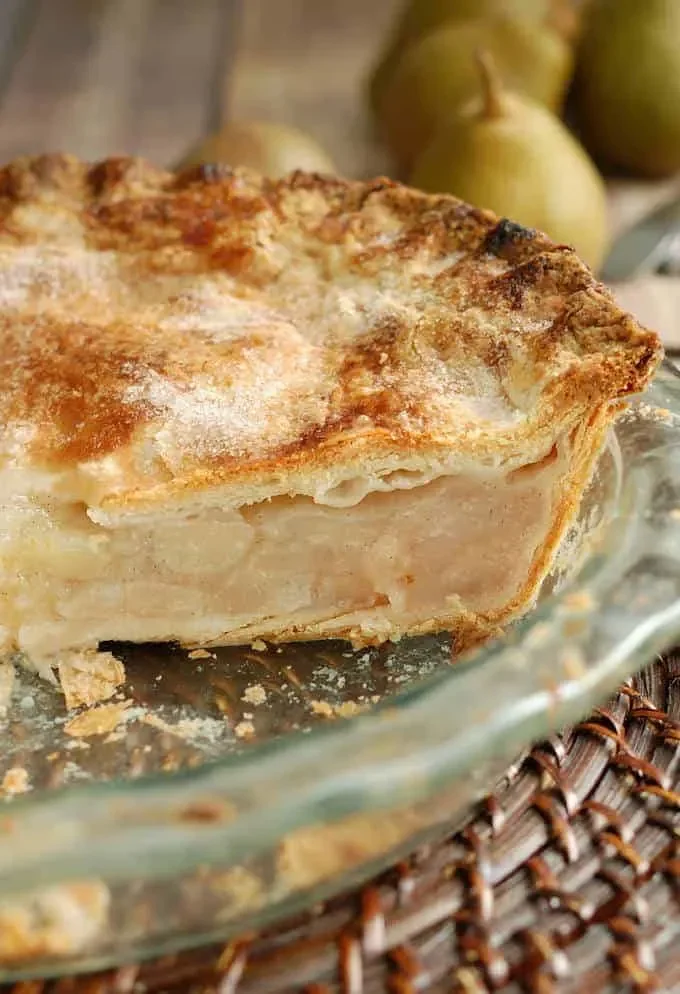
This American-style pie dough combines all-purpose and cake flour with cold fat and sourdough discard for a tender, flaky crust with a subtle tang. The batch makes enough for a double-crust pie.
Ingredients
- 213 g (7 1/2 oz; 1 1/2 cups)all-purpose flour
- 99 g (3 1/2 oz; 2/3 cup)cake flour
- 1 teaspoon (5 ml)salt
- 1 tablespoon (15 ml)granulated sugar
- 113 g (4 oz)vegetable shortening or cold leaf lard
- 113 g (4 oz), very cold and cut into 6 mm (1/4-inch) slicesunsalted butter
- 227 g (8 oz; 1 cup), at 100% hydrationsourdough discard
Instructions
- 1
Mix the dry ingredients
Whisk together the all-purpose flour, cake flour, salt and granulated sugar until evenly combined.
- 2
Work in the fat
Use your fingers to rub the shortening into the flour mixture until it looks like coarse cornmeal. Toss in the butter slices, letting them break into somewhat smaller pieces without fully blending them in; keep some large flakes, and work quickly so the butter stays cold.
- 3
Add the discard
Add all the sourdough discard at once and toss to combine. Press gently just until the dough comes together; a few dry-looking spots are fine, as the moisture will redistribute while it rests.
- 4
Chill the dough
Wrap the dough and refrigerate it for at least 2–3 hours before using.
What is sourdough pie crust?
Pie crust is a pastry made by combining flour with fat and just enough moisture to bring the dough together. This American version adds sourdough discard, which brings a gentle tang and uses starter that might otherwise go unused.
Cake flour joins all-purpose flour for a tender texture, while the butter and shortening are kept in visible pieces. Those flakes help make the baked crust crisp and layered.
Nutrition and macros by portion
The nutrition label shows one serving as written: 223 calories, 4g protein, 30g carbs, 10g fat.
| Portion | Adjustment | kcal | Protein | Carbs | Fat |
|---|---|---|---|---|---|
| Lighter | Use a smaller crust portion | 156 kcal | 3g | 21g | 7g |
| This serving | As written | 223 kcal | 4g | 30g | 10g |
| Hungry | Serve a larger slice | 335 kcal | 6g | 45g | 15g |
The flour and sourdough discard provide most of the carbohydrates, while the butter and shortening contribute most of the fat. The discard also adds some protein, though this pastry is mainly a source of flour and fat. Pair a slice of pie with vegetables or salad for a more balanced plate.
Why use two kinds of flour?
All-purpose flour: it gives the dough enough structure to roll and hold a filling.
Cake flour: its lower-protein character helps keep the pastry tender. Whisk both flours with the salt and sugar so the dry ingredients are evenly distributed before adding fat.
Keep the fat cold
Shortening: work it into the flour with your fingers until the mixture resembles coarse cornmeal.
Butter: toss the cold slices through the flour and let them break into smaller pieces, but leave some larger flakes. Work quickly; if the butter softens, the dough is harder to handle and may lose some of its flaky texture.
Bring the dough together gently
Add the sourdough discard all at once, then toss it through the flour before pressing the mixture together. Stop as soon as it forms a dough rather than kneading it smooth.
A few dry-looking patches are expected at this stage. The dough rests before rolling, giving the moisture time to spread through it.
Allow time to chill
The wrapped dough needs at least 2–3 hours in the fridge before use. Chilling firms the butter and shortening, making the pastry easier to roll and helping it keep its shape.
Plan this resting time separately from the hands-on mixing, particularly if you are making a pie on the same day.
Roll and use the crust
This batch is intended for a double-crust pie, so divide it between the base and top crust when you are ready to roll it. Keep the dough cool as you work and use only enough flour to prevent sticking.
Fill and bake according to the directions for your chosen pie. The crust recipe itself does not specify a baking temperature or time.
Choose a filling to match
Fruit fillings are a natural choice for a double crust, while savoury fillings can also work well with the crust's subtle sourdough flavour. Follow the filling recipe for its seasoning and baking instructions.
For a balanced plate with a savoury pie, serve a slice with vegetables or a crisp salad.
Recipe notes & tips
- Measure the flours by weight for a consistent dough.
- Keep both the butter and shortening cold before mixing.
- Leave some butter pieces visibly larger rather than blending them all into the flour.
- Add the discard all at once and stop pressing as soon as the dough holds together.
- Wrap the dough well before refrigerating so it does not dry out.
Variations
- Use leaf lard: substitute cold leaf lard for the vegetable shortening as suggested in the ingredient list.
- Sweeten the crust: keep the listed tablespoon of granulated sugar for a lightly sweet dough.
- Make a savoury pie: use the crust with a savoury filling and follow that recipe's seasoning directions.
- Use seasonal fruit: fill the double crust with fruit prepared according to your chosen pie recipe.
Common mistakes to avoid
- Warming the butter: work quickly and keep it very cold so pieces remain distinct.
- Overworking the dough: press only until it comes together to help keep the crust tender.
- Breaking down all the butter: leave some large flakes in the flour for a flaky texture.
- Adding more discard for dry patches: the dough can look dry in spots before resting, so give it time to redistribute moisture.
- Skipping the chill: refrigerate the wrapped dough for at least 2–3 hours before rolling.
How to store
Keep the wrapped dough refrigerated until ready to use. For longer storage, freeze it in a well-sealed wrap and thaw it in the refrigerator before rolling. This recipe does not specify an exact storage duration.
Frequently asked questions
Can I use leaf lard instead of shortening?
Yes. The recipe lists cold leaf lard as an alternative to vegetable shortening; use the same amount.
What does 100% hydration mean for the sourdough discard?
It means the starter was maintained with equal weights of flour and water. Use 227 g of discard for this recipe.
Why does the dough look dry after I add the discard?
Some dry-looking spots are expected. The recipe says the moisture will redistribute as the dough rests, so press it together gently rather than adding extra liquid.
How long does the dough need to chill?
Refrigerate the wrapped dough for at least 2–3 hours before using it.
Does this make enough dough for two pies?
It makes enough for a double-crust pie: one base crust and one top crust.
Can I bake the crust without a top?
The recipe is written for a double-crust pie and does not give instructions for blind-baking or using a single crust. Follow the directions for the pie you are making if its crust setup differs.
Cook it from the original
This recipe comes from baking-sense.com. Their page has the author’s own photos, notes and tips — the best place to cook it from.
Open the recipe on baking-sense.com