
Niramish Paneer Recipe In Bengali Style | বালটি পনির রেসিপি নিরামিষ পদ্ধতিতে
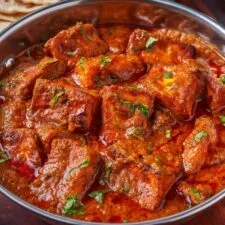
This Bengali-style vegetarian balti paneer pairs browned paneer with a slowly cooked tomato gravy and a freshly roasted spice-and-cashew blend. It makes a richly flavoured main course without onion or garlic, and works well with roti, paratha or pulao.
Ingredients
- 500 gpaneer, cut into large pieces
- as neededneutral cooking oil
- 3 tspwhole coriander seeds
- 2 tspwhole cumin seeds
- 5–6cloves
- 3–4green cardamom pods
- 2black cardamom pods
- 1 small piecemace
- 1 tspwhole black peppercorns
- 8–10cashews
- 5tomatoes
- a littlefresh ginger
- a littlegreen chilli
- a littlecoriander stems
- 2–3 tspghee
- 1–1½ tspasafoetida
- to tastesalt
- 1 tspground turmeric
- 2 tspKashmiri chilli powder
- a littlesugar
- as neededwater
- a littlefresh coriander leaves
- a littlegaram masala
Instructions
- 1
Cut the paneer
Cut 500 g paneer into fairly large pieces.
- 2
Fry the paneer
Heat the oil to a high temperature, then carefully add the paneer. Fry until well browned all over, turning as needed, and transfer to a bowl.
- 3
Roast the spices
Dry-roast 3 tsp coriander seeds, 2 tsp cumin seeds, 5–6 cloves, 3–4 green cardamom pods, 2 black cardamom pods, 1 small piece of mace, 1 tsp peppercorns and 8–10 cashews in a frying pan until fragrant. Cool on a plate, then grind to a powder. Mix all the powder into the warm fried paneer and leave for 5–10 minutes.
- 4
Blend the tomatoes
Roughly chop the 5 tomatoes, slice a little ginger, and roughly chop a little green chilli. Put these in a blender with a little coriander stem and blend to a paste.
- 5
Start the gravy
Reduce the heat under the paneer-frying oil and add 2–3 tsp ghee. Once hot, stir in 1–1½ tsp asafoetida, then add the tomato paste, salt to taste, 1 tsp turmeric and 2 tsp Kashmiri chilli powder. Stir to combine.
- 6
Cook the tomatoes
Cook the tomato mixture over a low flame, covered, for 10–12 minutes, stirring once after about 7–8 minutes. Cover again and cook for a further 3–4 minutes, until the tomatoes are thoroughly cooked and the ghee begins to separate from the gravy.
- 7
Add the paneer
Add the paneer along with all the roasted spice powder clinging to it. Cook with the gravy, without adding water, for 2–3 minutes; cover the pan if you like.
- 8
Finish the gravy
Stir in a little sugar to balance the tomato’s acidity, then add only enough water to make a semi-gravy consistency. Mix well and bring the gravy together over medium-high heat.
- 9
Garnish and serve
Finish with a little fresh coriander and garam masala.
What is balti paneer?
Balti is associated with the Peshawar region, and the recipe describes the name in relation to bhuna: a style of cooking in which ingredients are cooked down and stirred until the flavours concentrate. This vegetarian version builds its gravy from tomatoes rather than onion or garlic.
The method makes the paneer and its spice coating the centre of the dish. Browning the cheese first and cooking the tomato paste slowly gives the finished curry a deep, savoury character.
Nutrition and macros by portion
The nutrition label shows one serving as written: 430 calories, 20g protein, 20g carbs, 31g fat.
| Portion | Adjustment | kcal | Protein | Carbs | Fat |
|---|---|---|---|---|---|
| Lighter | Use less oil and ghee | 301 kcal | 14g | 14g | 22g |
| This serving | As written | 430 kcal | 20g | 20g | 31g |
| Hungry | Serve with extra pulao | 645 kcal | 30g | 30g | 47g |
Paneer supplies most of the protein and a substantial share of the fat, while the tomatoes and cashews contribute some carbohydrates; the oil and ghee add further fat. Serve with a modest portion of rice or bread and add vegetables or salad to round out the plate.
The paneer and its coating
Large pieces: they are easier to brown without breaking and stay distinct in the gravy.
Roasted spice powder: the coriander, cumin, whole spices and cashews are ground together, then mixed into the warm paneer. Letting it sit for 5–10 minutes gives the coating time to cling before it goes into the sauce.
Build the tomato base
Tomato paste: blending the tomatoes with ginger, chilli and coriander stems makes a smooth base that can cook down evenly.
Slow bhuna: keep the heat low and cover the pan during the main 10–12-minute cook, then stir after about 7–8 minutes and cook for another 3–4 minutes. The tomatoes should be fully cooked and the ghee should start to show at the edges.
Get the texture right
Browned paneer: use hot oil when adding the cool paneer, as the temperature will drop. Fry until the pieces are well coloured, then lift them out before making the gravy.
Semi-gravy: add water only after the paneer has cooked in the masala for 2–3 minutes. Pour it in gradually, stopping when the sauce is thick enough to coat the paneer rather than turn watery.
Balance the flavour
Whole spices: dry-roast them until fragrant, then cool before grinding. This makes a fresh spice blend to coat the paneer and enrich the gravy.
Sugar: add a little at the end to balance the tomatoes’ acidity. Taste before adding more, since the tomatoes can vary in sharpness.
How to serve it
Serve the paneer hot with roti or paratha to scoop up the semi-thick sauce, or pair it with pulao. A fresh, simply dressed salad or plain vegetables can add a lighter contrast to the rich curry.
Recipe notes & tips
- Cut the paneer into similarly sized pieces so they brown at a similar rate.
- Heat the frying oil well before adding the cool paneer, then fry in batches if the pan is crowded.
- Keep the spice-roasting pan dry and remove the spices once they smell fragrant.
- Let the roasted spices cool before grinding for a more even powder.
- Stir the tomato base after about 7–8 minutes and watch for splashes when uncovering it.
- Add water a little at a time so the sauce stays semi-thick.
Variations
- Adjust the chilli: use less green chilli or Kashmiri chilli powder for a milder curry.
- Use a different sweetener: add a little khoya instead of sugar to balance the tomato’s acidity, as suggested in the method.
- Make it looser: add a little more water at the end for a thinner gravy.
- Increase the garnish: add extra fresh coriander leaves just before serving.
- Change the protein: the recipe notes that the same general method can be used with chicken or mutton, adjusting the cooking to suit the meat.
Common mistakes to avoid
- Starting with cool oil: the paneer will not brown as intended; heat the oil well before adding it.
- Crowding the pan: the oil temperature can fall and the paneer may colour unevenly; fry in batches if needed.
- Scorching the spices: burnt spices taste bitter; dry-roast only until fragrant.
- Skipping the tomato cook: undercooked tomatoes leave the gravy sharp; follow the covered cooking time and wait for the ghee to separate.
- Adding too much water: the gravy can become thin; add just enough for a semi-gravy consistency.
- Leaving the paneer uncoated: add all the spice powder from the bowl along with the paneer.
How to store
Cool leftovers promptly and refrigerate in a covered container for up to 3 days. Reheat gently in a pan, adding a splash of water if the gravy has thickened; avoid prolonged boiling, which can make the paneer firm.
Frequently asked questions
Can I make this without onion and garlic?
Yes. This recipe uses tomato, ginger, chilli and spices for its gravy and contains no onion or garlic.
Why fry the paneer until browned?
The method relies on a well-coloured exterior for flavour and texture. Keep the oil hot when adding the cool paneer so it can brown properly.
Can I prepare the spice powder ahead?
Yes. You can roast, cool and grind the spices ahead of time, then keep the powder in an airtight container. Mix it into the warm paneer when you are ready to cook.
How do I know when the tomato gravy is ready?
The tomatoes should be thoroughly cooked down, and the ghee should begin to separate from the mixture. The method allows 10–12 minutes covered, followed by another 3–4 minutes.
How much water should I add?
Add only enough to bring the curry to a semi-gravy consistency. Pour it in gradually, since too much will make the sauce thin.
What should I serve with balti paneer?
Roti, paratha and pulao are all suggested accompaniments. You can also serve a fresh salad or plain vegetables alongside.
Cook it from the original
This recipe comes from atanurrannagharrecipe.com. Their page has the author’s own photos, notes and tips — the best place to cook it from.
Open the recipe on atanurrannagharrecipe.com