
Salsa Verde
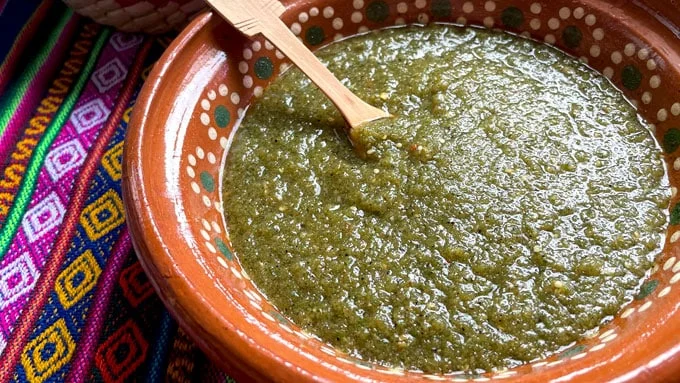
This roasted salsa verde blends tomatillos, tomato, chillies and fresh coriander into a tangy, savoury sauce. Make it for tacos, enchiladas, burritos or a bowl of tortilla chips.
Ingredients
- 8 mediumtomatillos
- 1/4onion
- 1 largeRoma tomato
- 50 gfresh coriander
- 2–3fresh jalapeño or serrano chillies, or a mixture
- 2 small clovesgarlic
- 1/4 teaspoonground cumin, or to taste
- 1/2 teaspoonchicken stock powder
- 3/4 teaspoonsalt, or to taste
- 120 ml (1/2 cup)water or chicken stock
Instructions
- 1
Start with tomatillos
Begin with the tomatillos, which will form the base of the salsa.
- 2
Clean the tomatillos
Remove their papery husks and wash the tomatillos thoroughly to rinse away the sticky coating.
- 3
Heat the vegetables
Set a griddle or comal over medium-high heat and add the tomatillos, Roma tomato, onion and chillies.
- 4
Roast until dark
Turn the vegetables as they cook so they roast on all sides. Cook for around 10–12 minutes, until they develop darkened patches.
- 5
Add the garlic
During the final 2 minutes of roasting, add the garlic cloves with their skins on.
- 6
Peel the garlic
Take everything off the heat and peel the garlic cloves.
- 7
Adjust the chillies
Cut off the tops of the chillies and slit them open. Remove the seeds and veins for a milder salsa, or leave them in if you prefer more heat. Add the chillies gradually if you are unsure.
- 8
Load the blender
Transfer the roasted ingredients from the griddle to a blender or food processor.
- 9
Add the seasonings
Add the coriander, cumin, salt and chicken stock powder.
- 10
Blend the salsa
Pour in the water or chicken stock and blend the ingredients.
- 11
Taste and adjust
Taste the salsa and add another chilli if needed. Keep the seeds until you have finished adjusting the flavour, in case you want more heat, and check the seasoning.
- 12
Serve the salsa
Serve with tacos, burritos, quesadillas, enchiladas, tortilla chips or nachos.
What is salsa verde?
Salsa verde means “green sauce” in Spanish, and tomatillos give this version its characteristic green colour and tart flavour. Tomatillo-based salsa verde is closely associated with Mexican cooking, although this recipe is listed as Caribbean cuisine.
Roasting the vegetables first brings out their sweetness and adds a lightly charred flavour. Tomato, coriander and cumin round out the tangy tomatillos.
Nutrition and macros by portion
The nutrition label shows one serving as written: 65 calories, 2g protein, 13g carbs, 1g fat.
| Portion | Adjustment | kcal | Protein | Carbs | Fat |
|---|---|---|---|---|---|
| Lighter | Use water, less salt | 46 kcal | 1g | 9g | 1g |
| This serving | As written | 65 kcal | 2g | 13g | 1g |
| Hungry | Serve a larger portion | 98 kcal | 3g | 20g | 2g |
Most of the carbohydrates and fibre come from the tomatillos, tomato, onion and chillies, while the coriander and garlic contribute smaller amounts. The recipe contains very little fat and provides only a modest amount of protein; salt and chicken stock powder are the main sources of sodium. Pair a serving with a protein-rich filling, such as beans, chicken or eggs, to make a more balanced plate.
Choosing and preparing the ingredients
Tomatillos: remove the papery husks and wash off the sticky film before roasting. This leaves them ready to cook evenly on the griddle.
Chillies: jalapeños tend to be milder than serranos, though heat varies from one chilli to another. Start with fewer if you are uncertain, then taste and add more.
Coriander: add the fresh leaves after roasting, when blending. This keeps their flavour distinct from the deeper roasted vegetables.
Roasting the vegetables
Even contact: turn the vegetables regularly so they colour on several sides. The stated 10–12 minutes is a guide; the size of the vegetables and the heat of the griddle affect the timing.
Garlic timing: add the unpeeled cloves only for the final 2 minutes. This gives them time to soften and pick up a little colour without staying on the hot griddle for the whole roast.
Getting the heat right
Remove the chilli seeds and inner veins for a gentler result, or leave them in for more heat. The recipe suggests keeping the seeds until the end so you can decide whether the blended salsa needs them.
Add chillies gradually and taste before adding more. This makes it easier to control the finished salsa than blending all the chillies in at once.
Blending and texture
Blend the roasted vegetables with the coriander and seasonings, adding the measured liquid to help everything move through the blender. Use water for a cleaner vegetable flavour or chicken stock for a savourier one.
Taste after blending and check the salt, cumin and chilli. The method does not specify a blending time, so stop when the ingredients have combined to the texture you like.
Serving ideas
Tacos and enchiladas: spoon the salsa over filled tacos or serve it alongside enchiladas. It also works with burritos and quesadillas.
For dipping: put it out with tortilla chips or nachos. A spoonful alongside a meal adds a sharp, fresh contrast to richer fillings.
Recipe notes & tips
- Wash the tomatillos well after removing their husks to rinse away the sticky coating.
- Turn the vegetables often so they roast on more than one side.
- Add the garlic with its skin on, then peel it after roasting.
- Begin with fewer chillies if you are unsure of their heat.
- Keep the chilli seeds until you have tasted the blended salsa.
- Taste before serving and adjust the salt and cumin to your preference.
Variations
- Milder salsa: remove the chilli seeds and veins before blending.
- More heat: blend in an extra chilli a little at a time.
- Stock option: use chicken stock instead of water for a more savoury flavour.
- Mixed chillies: combine jalapeños and serranos for a different balance of heat.
- Smoother texture: blend for longer, stopping to check the consistency.
Common mistakes to avoid
- Skipping the wash: the tomatillos can retain a sticky coating, so rinse them well after removing the husks.
- Uneven roasting: vegetables may colour on only one side; turn them as they cook.
- Burning the garlic: it only needs the final 2 minutes on the griddle, with its skin on.
- Too much heat at once: chillies vary, so add them gradually and taste before adding more.
- Adding seeds too early: keep them aside until you know whether the finished salsa needs extra heat.
- Forgetting to taste: check the blended salsa and adjust its seasoning before serving.
How to store
Refrigerate leftover salsa in a covered container and use within 3–4 days. Serve it cold or gently warm it in a small pan, stirring occasionally; avoid boiling it for a long time.
Frequently asked questions
Can I make this salsa less spicy?
Yes. Use fewer chillies and remove their seeds and veins before blending. Taste the salsa before deciding whether to add more.
Do I have to roast the vegetables?
Roasting is the method in this recipe and gives the vegetables darkened patches and a lightly charred flavour. A raw version would have a different taste and would not follow these instructions.
Can I use chicken stock instead of water?
Yes. The ingredient list allows either water or chicken stock, and the method adds the liquid before blending.
How do I know when the vegetables are roasted?
Turn them until they have darkened patches on several sides. The recipe gives around 10–12 minutes as a guide.
What can I serve salsa verde with?
Serve it with tacos, burritos, quesadillas, enchiladas, tortilla chips or nachos.
Can I prepare it ahead?
Yes. Blend it and refrigerate it in a covered container, then taste it again before serving and adjust the seasoning if needed.
Cook it from the original
This recipe comes from antojandoando.com. Their page has the author’s own photos, notes and tips — the best place to cook it from.
Open the recipe on antojandoando.com