
Dahi Bhindi | Dahiwale Bhindi (No Onion, No Garlic Version)
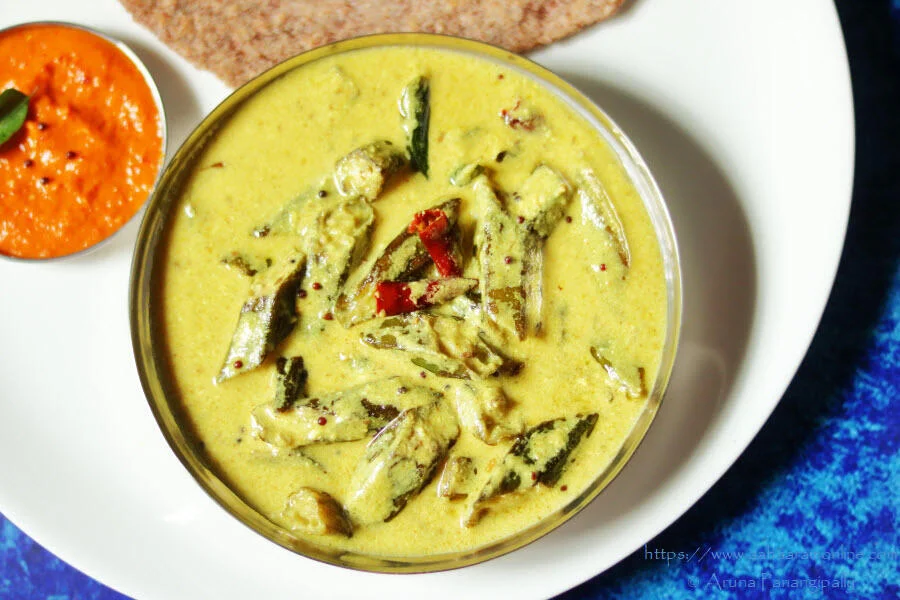
Dahi bhindi is okra cooked in a gently spiced yoghurt gravy, with whole spices and curry leaves for aroma. This no-onion, no-garlic version makes a comforting accompaniment to hot rotis or rice.
Ingredients
- 250 gokra (bhindi)
- 240 ml (1 cup)yoghurt (dahi)
- 1 tspgram flour (besan)
- 22.5 ml (1½ tbsp)oil
- 1 tspground coriander
- ½ tsproasted ground cumin
- ½ tspturmeric
- to tastesalt
- 1 tspoil
- 1 tspcumin seeds
- 1 tspmustard seeds
- 3 or 4dried red chillies, split
- 8 to 10curry leaves
Instructions
- 1
Prepare the okra
Trim the ends from the okra and cut it into 2.5 cm pieces. Set aside.
- 2
Mix the yoghurt
Stir the turmeric, gram flour, ground coriander, roasted ground cumin and salt into the yoghurt until combined. Set aside.
- 3
Fry the okra
Heat 22.5 ml (1½ tbsp) oil in a kadhai over a medium flame. Add the okra and stir-fry until softened and browned at the edges, then set aside.
- 4
Temper the spices
Heat 1 tsp oil in a kadhai. Add the mustard seeds and wait for them to splutter, then add the cumin seeds and stir-fry until they begin to change colour. Add the split red chillies and curry leaves and stir-fry for a few seconds.
- 5
Add the yoghurt
Turn the heat to low and add 2–3 tbsp water; this helps prevent the yoghurt from splitting. Add the spiced yoghurt and mix well.
- 6
Simmer the curry
Let the yoghurt simmer for 2–3 minutes. Add the fried okra and cook for a couple of minutes.
- 7
Serve warm
Serve the dahi bhindi warm with hot phulkas or rotis.
What is dahi bhindi?
Dahi bhindi is an Indian curry of okra in a yoghurt-based gravy. Dahi means yoghurt and bhindi means okra; this version is made without onion or garlic.
The dish brings together lightly browned okra, tangy yoghurt and a fragrant tempering of seeds, chillies and curry leaves. Gram flour helps give the yoghurt mixture body.
Nutrition and macros by portion
The nutrition label shows one serving as written: 115 calories, 4g protein, 9g carbs, 7g fat.
| Portion | Adjustment | kcal | Protein | Carbs | Fat |
|---|---|---|---|---|---|
| Lighter | Use less oil | 81 kcal | 3g | 6g | 5g |
| This serving | As written | 115 kcal | 4g | 9g | 7g |
| Hungry | Serve with extra roti | 173 kcal | 6g | 14g | 11g |
For one of four servings, most carbohydrates come from the yoghurt and gram flour, while the oil contributes much of the fat. Yoghurt provides some protein, and the okra contributes fibre and a smaller share of the meal’s carbohydrates. Pair a serving with dal or another protein-rich accompaniment and rice or roti to make a more balanced plate.
Choosing the ingredients
Okra: Choose firm pods and trim their ends before cutting them into pieces. Frying them separately gives them a chance to brown before they go into the gravy.
Yoghurt: Plain yoghurt makes the gently tangy base. Whisk or stir it with the spices and gram flour so the mixture is even before it goes into the pan.
Brown the okra first
Fry the okra in the measured oil until it softens and its edges take on colour. Stir it as it cooks, keeping an eye on the pan so the pieces brown rather than catch.
Set it aside while you prepare the yoghurt gravy. The okra goes back in only after the yoghurt has simmered.
Keep the yoghurt smooth
Gentle heat is important once the yoghurt is in the pan. The method adds 2–3 tbsp water to the tempering before the yoghurt, which helps protect it from splitting.
Turn the heat low before adding the yoghurt mixture and let it simmer for just 2–3 minutes. Avoid letting it boil vigorously.
Build the flavour
Mustard seeds: Give them time to splutter in the hot oil before adding the cumin seeds. The cumin is ready for the next ingredients when it starts to change colour.
Chillies and curry leaves: Stir-fry them for only a few seconds, then move on to the water and yoghurt. This short tempering perfumes the gravy without making the leaves the focus.
Check the texture and timing
Okra: Look for softened pieces with browned edges before taking them out of the pan. The recipe gives no fixed frying time, so use those visual and texture cues.
Gravy: Simmer the yoghurt mixture for 2–3 minutes, then cook with the okra for a couple of minutes. The whole recipe takes about 40 minutes.
What to serve with it
Rotis or phulkas are the suggested partners, ready for scooping up the yoghurt gravy. Rice also works well with this mellow curry.
For a fuller meal, serve it alongside a simple dal or another vegetable dish. Keep accompaniments relatively mild so the okra and spiced yoghurt remain distinctive.
Recipe notes & tips
- Dry the okra well before cutting so it is easier to handle and fry.
- Stir the yoghurt mixture thoroughly to distribute the gram flour and spices.
- Wait for the mustard seeds to splutter before adding the cumin.
- Keep the heat low before adding the yoghurt mixture.
- Add the fried okra near the end so it does not simmer in the gravy for too long.
- Serve soon after cooking while the curry is warm.
Variations
- Adjust the heat: Use three chillies for a milder tempering or four for a hotter one.
- Add fresh coriander: Scatter chopped coriander over the curry just before serving.
- Use thicker yoghurt: Choose a thicker plain yoghurt for a more substantial gravy.
- Serve with rice: Pair the curry with steamed rice instead of rotis or phulkas.
- Add a vegetable side: Serve it with another simply cooked vegetable for a fuller meal.
Common mistakes to avoid
- Crowding the pan: The okra may soften without browning; fry it in batches if the kadhai is too full.
- Adding yoghurt over high heat: It can split; lower the heat before pouring it in.
- Skipping the water: Add the specified 2–3 tbsp before the yoghurt to help keep the gravy smooth.
- Boiling the gravy hard: A vigorous boil can make the yoghurt split; keep it at a gentle simmer.
- Overcooking the okra in the gravy: Add it after the yoghurt has simmered and cook together for only a couple of minutes.
How to store
Cool leftovers and refrigerate them in a covered container for up to 2 days. Reheat gently in a pan over low heat, stirring carefully and avoiding a vigorous boil.
Frequently asked questions
Can I use frozen okra?
Fresh okra is used in this recipe. If using frozen okra, thaw it and pat it dry before frying; the texture may differ from fresh.
How do I stop the yoghurt from splitting?
Turn the heat low, add 2–3 tbsp water to the tempering, then stir in the spiced yoghurt. Keep the gravy at a gentle simmer rather than boiling it hard.
How spicy is this curry?
The recipe uses 3 or 4 split dried red chillies. Use three for a milder result, or four for more heat.
What can I serve with dahi bhindi?
Serve it warm with phulkas, rotis or rice, as suggested in the recipe.
Can I make it ahead?
It is best served warm after cooking. You can prepare the okra and yoghurt mixture ahead, then temper the spices and finish the curry when you are ready to eat.
Cook it from the original
This recipe comes from aahaaramonline.com. Their page has the author’s own photos, notes and tips — the best place to cook it from.
Open the recipe on aahaaramonline.com