
Cauliflower Fry | Phool Gobi ki Sabzi
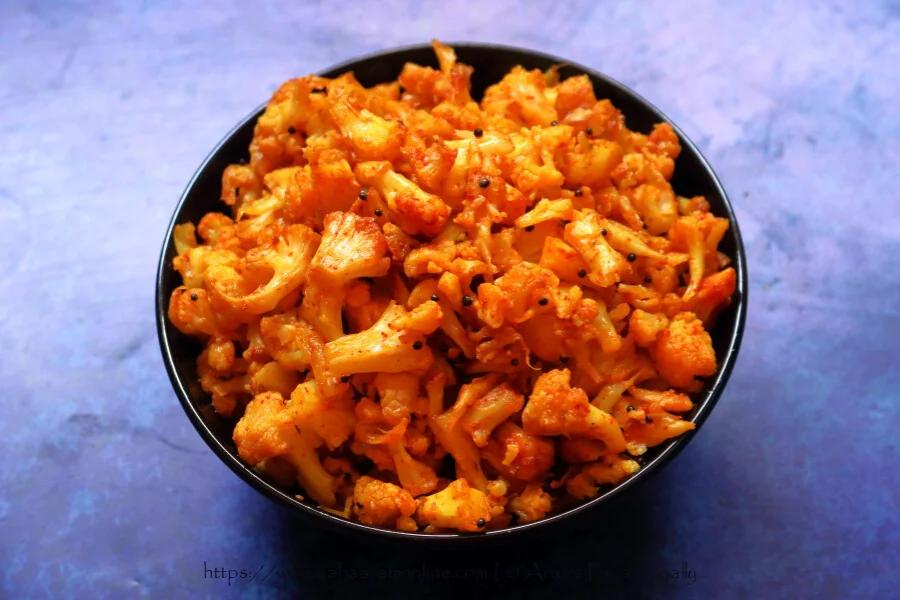
Phool gobi ki sabzi is a quick Indian cauliflower fry, seasoned simply with mustard seeds, turmeric and chilli powder. It makes an easy, warmly spiced accompaniment to dal and rice or curd rice.
Ingredients
- 500 gcauliflower
- 1 tbspoil
- 1 tspmustard seeds
- ½ tspturmeric
- 1 tspchilli powder
- 1 tsp for soaking, then extra to tastesalt
- 1 litre, plus 2–3 tbsp if neededwater
Instructions
- 1
Salt the water
Dissolve 1 tsp of salt in 1 litre of water.
- 2
Prepare cauliflower
Trim off the cauliflower leaves and stems, then break the head into florets.
- 3
Soak the florets
Put the florets in the salt water to help dislodge any insects, then drain them thoroughly in a colander and set aside.
- 4
Heat the oil
Warm the oil in a wok or kadhai over a medium flame.
- 5
Crackle mustard seeds
Add the mustard seeds and wait for them to crackle.
- 6
Fry the cauliflower
Add the florets and a little salt, mix well and stir-fry for 5 minutes.
- 7
Cook until tender
Cover and cook until the florets soften, stirring regularly. If they seem dry, sprinkle in 2–3 tbsp of water.
- 8
Season and serve
Add the turmeric and chilli powder, mix well and serve hot with dal and rice.
What is phool gobi ki sabzi?
Phool gobi means cauliflower, and sabzi is a broad term for a vegetable dish in Indian cooking. This simple fry is a home-style preparation rather than a heavily sauced curry.
The recipe keeps the seasoning spare: mustard seeds provide a pungent, toasted note, while turmeric and chilli powder give the cauliflower colour and warmth. Its short cooking time makes it handy for a weeknight meal.
Nutrition and macros by portion
The nutrition label shows one serving as written: 41 calories, 2g protein, 5g carbs, 2g fat.
| Portion | Adjustment | kcal | Protein | Carbs | Fat |
|---|---|---|---|---|---|
| Lighter | Use less oil | 29 kcal | 1g | 3g | 2g |
| This serving | As written | 41 kcal | 2g | 5g | 2g |
| Hungry | Serve with extra dal | 62 kcal | 3g | 7g | 3g |
Most of the carbohydrates and fibre come from the cauliflower, while the oil supplies most of the fat; cauliflower also contributes a little protein. Serve a portion with dal and rice or curd rice for a more substantial, balanced plate.
Preparing the cauliflower
Even florets: Break the cauliflower into similarly sized pieces so they soften at roughly the same rate.
Salt-water soak: The recipe uses salted water to help dislodge any insects. Drain the florets well so excess water does not interfere with frying.
Building the flavour
Mustard seeds: Heat them in the oil until they crackle before adding the cauliflower. This brief step releases their flavour into the cooking oil.
Spices: Add the turmeric and chilli powder after the cauliflower has started to soften. Stir thoroughly so the spices coat the florets without lingering too long in the hot pan.
Getting the texture right
Stir-frying: Give the florets 5 minutes uncovered, stirring so they cook evenly and pick up the seasoned oil.
Covered cooking: Keep the heat moderate and stir at intervals until the cauliflower is tender. If the pan looks dry, add just 2–3 tbsp water; the florets should soften without sitting in a pool of liquid.
Timing and doneness
Start checking the florets after the covered cooking stage has been under way for a few minutes. They are ready when a fork goes in easily but the pieces still hold their shape.
The recipe gives a total time of 30 minutes, including preparation. The exact covered cooking time depends on the size of the florets and how tender you like them.
What to serve with it
Dal and rice: Serve the cauliflower alongside dal and rice for a simple meal, as suggested in the recipe.
Curd rice: Its chilli warmth also works well beside cooling curd rice. Serve the fry hot for a contrast in temperature and texture.
Recipe notes & tips
- Cut the florets to a similar size for more even cooking.
- Drain the cauliflower thoroughly after soaking.
- Wait for the mustard seeds to crackle before adding the florets.
- Stir regularly while the pan is covered to help prevent sticking.
- Add the optional water a little at a time if the pan becomes dry.
Variations
- Adjust the heat: Use less chilli powder for a milder fry.
- Choose small florets: Cut them smaller for a quicker-softening texture.
- Add a tangy side: Serve with curd rice as suggested in the description.
- Make it a meal: Pair the fry with dal and rice.
- Change the tenderness: Cook for less time if you prefer the florets to retain more bite.
Common mistakes to avoid
- Uneven florets: They soften at different rates, so cut or break them to a similar size.
- Wet cauliflower: Excess soaking water can make the pan watery; drain the florets well.
- Mustard seeds added too late: Let them crackle in the hot oil before adding the vegetables.
- Skipping the stirring: Stir at regular intervals during covered cooking to help the florets cook evenly.
- Adding too much water: Sprinkle in only 2–3 tbsp if the florets look dry.
How to store
Cool leftovers and refrigerate them in a sealed container for up to 3 days. Reheat in a pan over a medium-low heat, stirring until hot; add a small splash of water if needed.
Frequently asked questions
How do I know when the cauliflower is cooked?
A fork should pass into a floret easily, but the pieces should still hold their shape. Check a larger piece first.
Can I make this less spicy?
Yes. Reduce the 1 tsp of chilli powder to suit your preference.
Do I need to add water while cooking?
Only if the florets seem dry during the covered stage. The recipe suggests sprinkling in 2–3 tbsp as needed.
What should I serve with cauliflower fry?
Serve it hot with dal and rice or with curd rice.
Can I prepare the cauliflower ahead?
You can break it into florets ahead of time and keep it refrigerated. Drain it well before cooking.
Cook it from the original
This recipe comes from aahaaramonline.com. Their page has the author’s own photos, notes and tips — the best place to cook it from.
Open the recipe on aahaaramonline.com