
Pão de ló
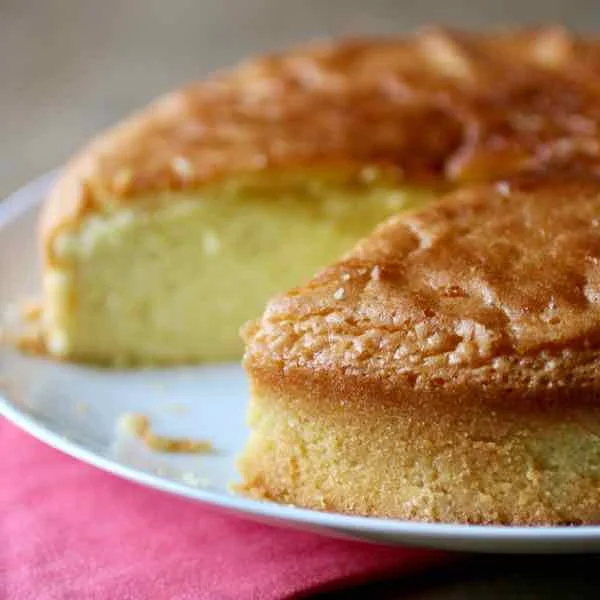
Pão de ló is a light Portuguese sponge cake made with eggs, sugar and flour, here flavoured with lemon zest. It makes a simple cake for coffee or dessert, with an airy texture from thoroughly whisked eggs.
Ingredients
- 10, at room temperatureeggs
- 200 gsugar
- 250 gsifted flour
- 5 ml (1 teaspoon)baking powder
- 2.5 ml (½ teaspoon)salt
- Zest of 1lemon
Instructions
- 1
Preheat the oven
Heat the oven to 180°C.
- 2
Whisk the eggs
Beat the whole eggs at high speed for about 20 minutes, gradually adding the sugar.
- 3
Fold in dry ingredients
Gently fold in the flour, first mixed with the baking powder and salt, then add the lemon zest.
- 4
Prepare the tin
Transfer the mixture to a very lightly oiled cake tin.
- 5
Bake the cake
Bake for about 30–35 minutes.
- 6
Cool before turning out
Leave the cake to stand for about 10 minutes before removing it from the tin.
What is pão de ló?
Pão de ló is a Portuguese sponge cake with roots in Portugal and many regional versions. Its basic character comes from eggs, sugar and flour, though recipes can vary in their proportions and finishing touches.
This version adds baking powder, salt and lemon zest. The long whisking helps the eggs hold air, while a gentle fold keeps the batter from losing too much volume.
Nutrition and macros by portion
The nutrition label shows one serving as written: 300 calories, 11g protein, 49g carbs, 6g fat.
| Portion | Adjustment | kcal | Protein | Carbs | Fat |
|---|---|---|---|---|---|
| Lighter | Serve a smaller slice | 210 kcal | 8g | 34g | 4g |
| This serving | As written | 300 kcal | 11g | 49g | 6g |
| Hungry | Serve a larger slice | 450 kcal | 17g | 74g | 9g |
Most of the carbohydrates come from the sugar and flour, while the eggs provide most of the protein and fat. Serve a slice with fruit or yoghurt for a more balanced plate.
Whisking the eggs well
Room-temperature eggs are easier to whip into a voluminous mixture. Beat them at high speed and add the sugar gradually, allowing the mixture time to become thick and aerated.
Folding without deflating
Dry ingredients: mix the sifted flour with the baking powder and salt before adding it.
Gentle handling: fold the flour mixture in carefully, then add the lemon zest. Avoid vigorous stirring, which can knock air out of the batter.
Checking when it is baked
The recipe gives a baking window of 30–35 minutes at 180°C. Begin checking towards the shorter end, since ovens and cake tins can affect how quickly the centre sets.
The cake should look set rather than wet in the middle. Let it stand in the tin for about 10 minutes before turning it out.
Choosing and preparing a tin
Use a cake tin that can hold the risen batter, and oil it very lightly as directed. A heavy coating of oil is unnecessary and may leave the outside greasy.
The recipe does not specify a tin size, so choose one that gives the batter room to rise without filling it to the rim.
Serving the cake
Serve slices plain with coffee or tea, or alongside fresh fruit. Its mild sweetness and lemon aroma also make it a straightforward base for a simple dessert.
Recipe notes & tips
- Bring the eggs to room temperature before you start whisking.
- Add the sugar in stages rather than tipping it in all at once.
- Sift the flour before measuring or using it in the batter.
- Fold the dry ingredients in gently to preserve the air in the eggs.
- Start checking the cake after 30 minutes of baking.
- Allow the cake to stand for about 10 minutes before turning it out.
Variations
- More lemon: add extra finely grated zest for a brighter citrus flavour.
- Orange zest: use orange zest instead of lemon for a softer citrus note.
- Spiced version: add a little ground cinnamon to the flour mixture.
- Serve with fruit: pair slices with fresh berries or seasonal fruit.
- Simple topping: dust the cooled cake lightly with icing sugar.
Common mistakes to avoid
- Cold eggs: bring them to room temperature before whipping so they can become more aerated.
- Adding sugar too quickly: incorporate it gradually while the eggs are beating.
- Overmixing the batter: fold in the flour gently to avoid losing the air you have whipped in.
- Skipping the tin preparation: oil the cake tin very lightly before adding the batter.
- Opening the oven early: wait until the cake has had time to rise and begin setting before checking it.
- Turning it out straight away: leave it in the tin for about 10 minutes first.
How to store
Keep the cooled cake in an airtight container at room temperature for up to 3 days. If you prefer it warm, heat a slice briefly in the microwave.
Frequently asked questions
Why do the eggs need to be whisked for so long?
The extended whisking builds air into the eggs, helping give the cake its light sponge texture. Add the sugar gradually as you beat.
Can I use eggs straight from the fridge?
The recipe calls for room-temperature eggs, which are better suited to whipping into a voluminous mixture. Let them warm up before you begin.
How do I know when the cake is ready?
Bake for about 30–35 minutes at 180°C and check that the centre looks set rather than wet. The exact timing can vary with the tin and oven.
Can I leave out the lemon zest?
Yes. The cake will have a plainer flavour without it, or you can use orange zest instead.
Why did my cake lose volume?
The batter may have lost air during mixing. Fold the flour mixture in gently and avoid stirring more than needed.
Can I freeze pão de ló?
Yes. Wrap individual cooled slices well and freeze them. Thaw at room temperature before serving.
Cook it from the original
This recipe comes from 196flavors.com. Their page has the author’s own photos, notes and tips — the best place to cook it from.
Open the recipe on 196flavors.com